In 1983 Microsoft tried to make home computers like VHS tapes, and Japan built them

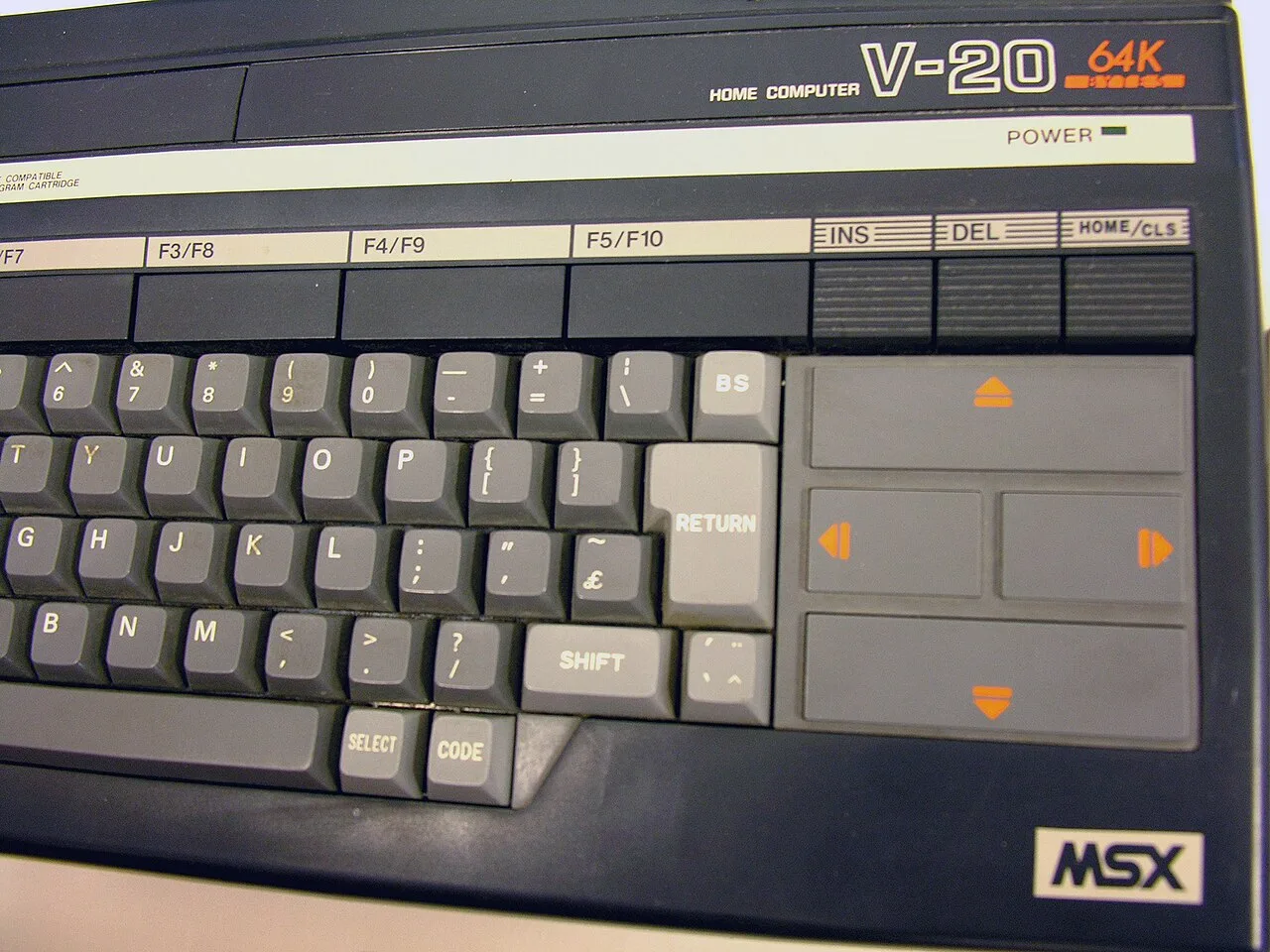
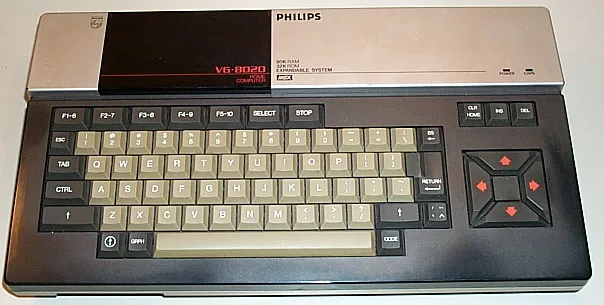
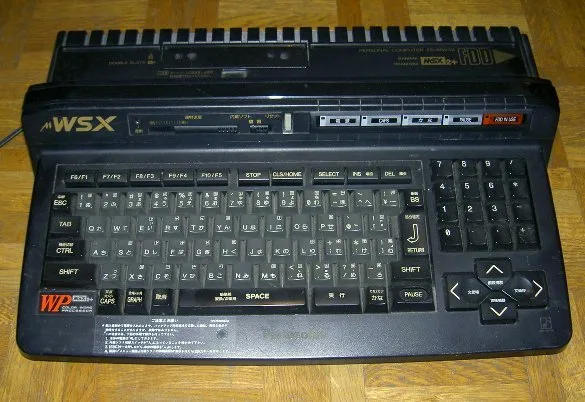
On 16 June 1983 a Japanese publisher called ASCII Corporation announced a standard for home computers. The idea behind it, according to the encyclopedia account, was Microsoft's: make personal computers work the way VHS tapes did, so that any company could build a machine and any tape would play in any player. The first MSX machine, Mitsubishi's ML-8000, went on sale on 21 October 1983.
The problem it solved was real. Japanese home computers of the early 80s, NEC's PC-6001 and PC-8000, Fujitsu's FM-7 and FM-8, Hitachi's Basic Master, each had their own hardware design and their own flavour of Microsoft BASIC, the beginner-friendly programming language built into the machine's fixed memory. A program written for one wouldn't run on the next. Panasonic, Canon, Casio, Yamaha, Pioneer and Sanyo all wanted into the home computer market and had no common target to aim at. MSX gave them one: a fixed set of chips and connections, with Microsoft's BASIC (MSX BASIC) inside, so software could travel between brands.
Sony's MSX became the most popular make in Japan after launch. Konami and Hudson Soft wrote for MSX before Nintendo's Family Computer took over, and the first two Metal Gear games came out on MSX hardware. How many sold is genuinely open: one source claims 9 million units worldwide, 7 million of them in Japan, while Kazuhiko Nishi, the ASCII director who fronted the project, says 3 million in Japan and 1 million overseas. Few MSX machines reached the United States at all, despite Microsoft's name on the standard.
The name itself never settled. The encyclopedia reports the versions without picking one.
This one started as a question in the replies: 0qtr.com/post/d90aa22f7741?reply=281…