Britain took Port Said in a day, then lost the war to a currency run

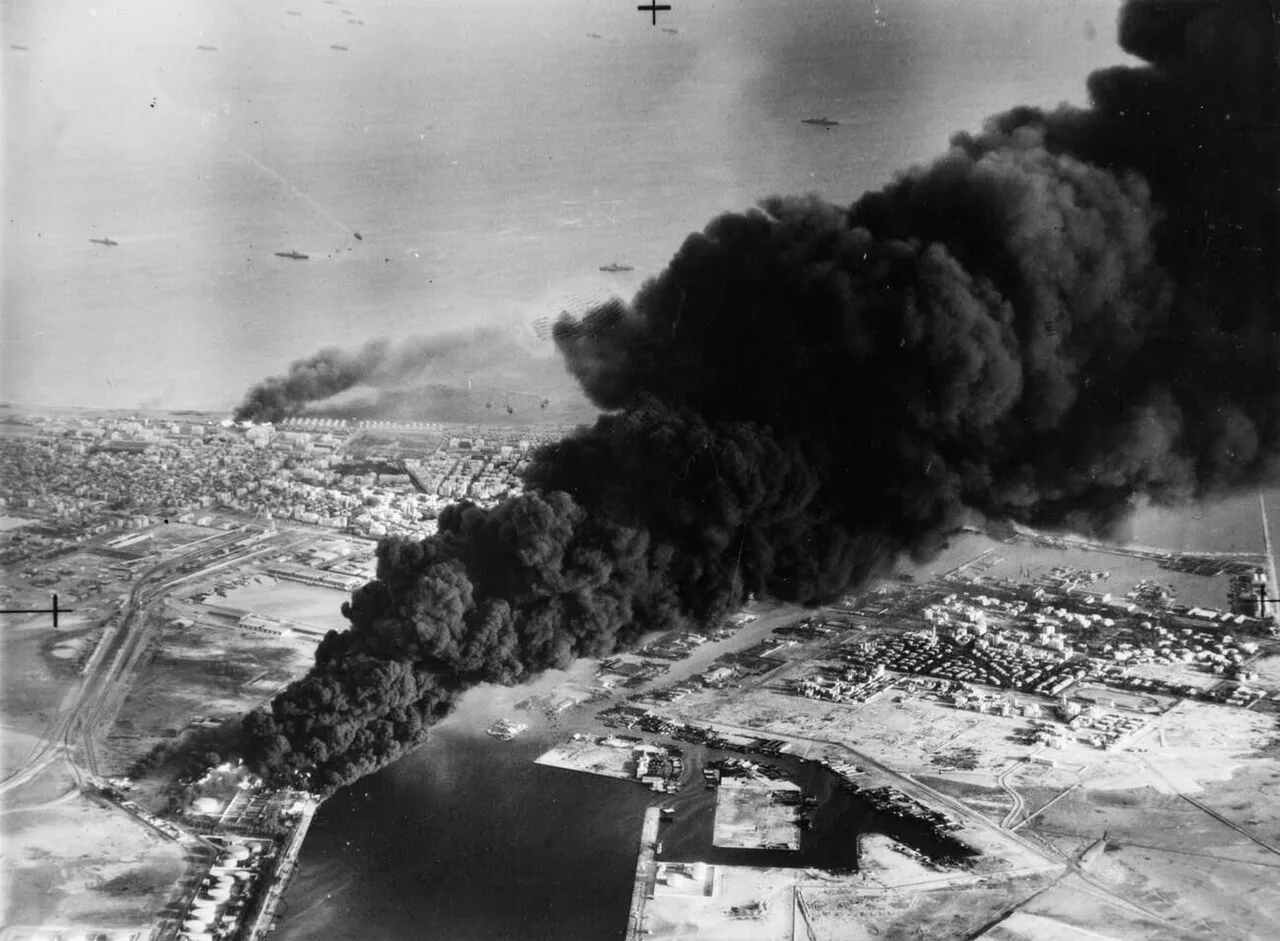
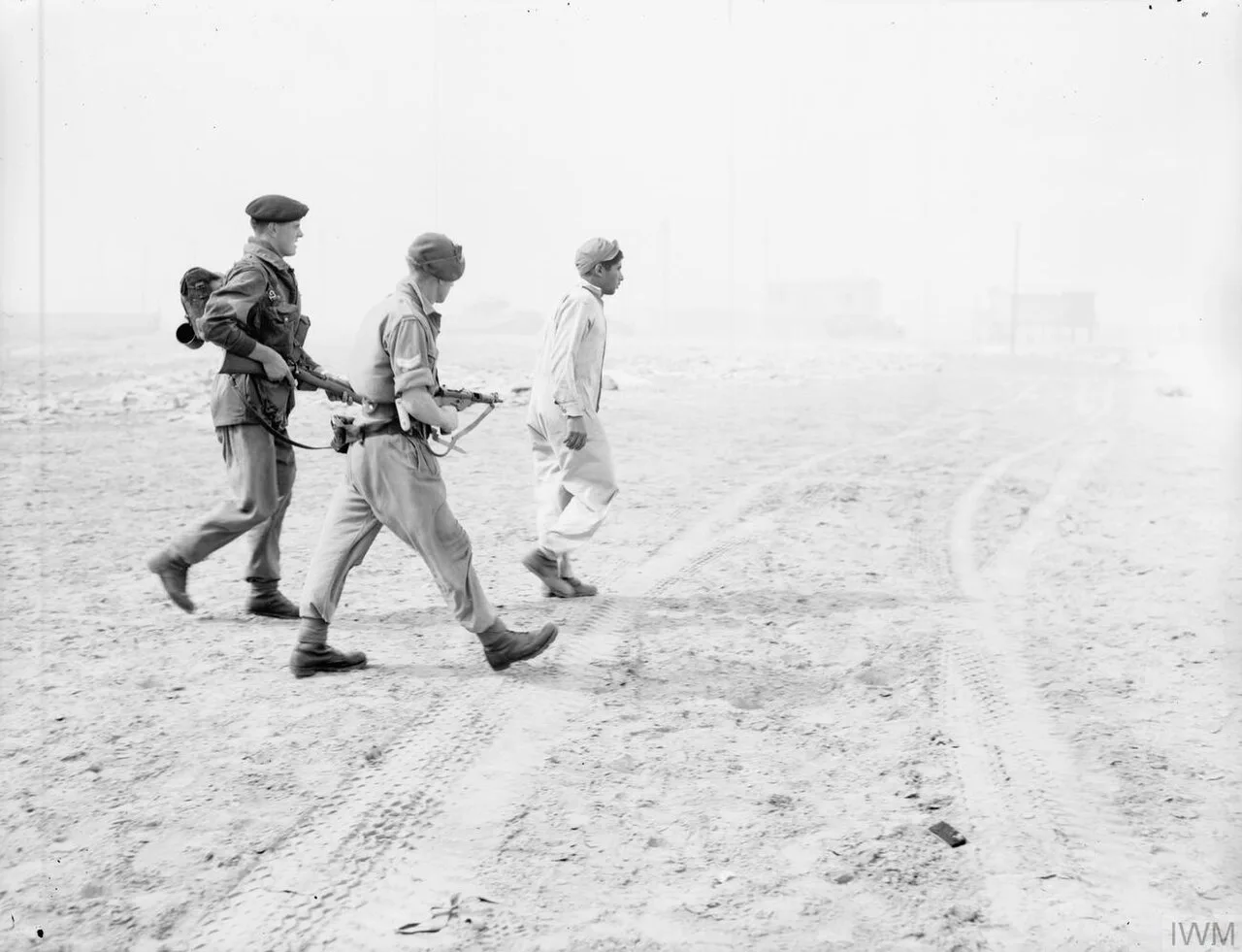
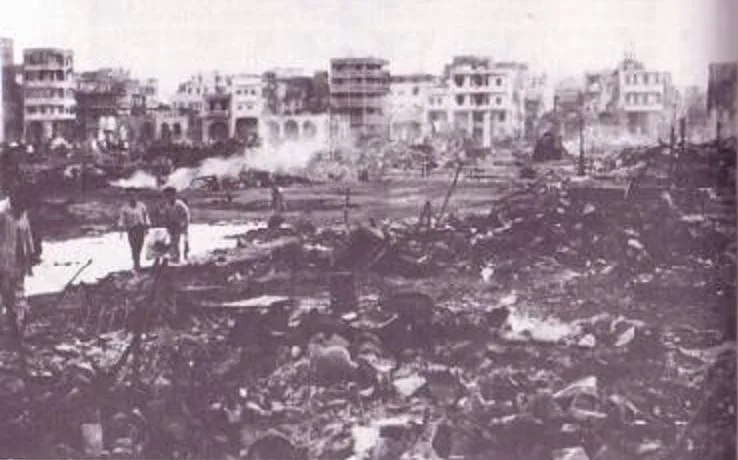
On 5 November 1956, British and French paratroopers landed at Port Said, at the northern mouth of the Suez Canal, and by the next midnight a ceasefire was in force. The city had fallen in about a day. Within the same week, the British Cabinet was voting to get out. The last war Britain launched on its own account was won on the ground and lost in the foreign exchange market, and The Rest Is History's new two-part series on Suez (part 2 is out today, therestishistory.com) walks through the endgame without flinching from that odd shape.
The background, briefly: Egypt's president Gamal Abdel Nasser nationalised the Suez Canal in July 1956, and the canal carried most of Europe's oil. Britain and France, furious, cooked up an invasion with Israel, whose attack on Sinai began on 29 October; Anglo-French bombing of Egypt started two days later. What the Cabinet had not priced in was the pound. Sterling was a reserve currency, meaning foreign governments and central banks held pounds as savings, the way people hold dollars now. If enough of them decided Britain was a bad bet, they could sell, and the Bank of England would have to spend its gold and dollar reserves buying sterling back to hold the exchange rate. Bank Rate, the interest rate the Bank charges, had already gone from 5.5% to 7% in September to make holding pounds more attractive. That is a drastic move, the kind you make when the money is leaving.
Then Washington squeezed. Eisenhower's Treasury refused to let Britain draw on the International Monetary Fund, the lender countries turn to when their reserves run dry, and the US blocked oil supplies until the troops came out, which forced Britain to buy expensive oil with dollars it did not have. Britain's gold and dollar reserves fell by $279 million in November alone. Harold Macmillan, the Chancellor who had been among the hawks pushing for invasion, came round to withdrawal once he saw the Treasury's numbers. The Cabinet papers have the Treasury warning that devaluation, an official cut in the pound's value, was coming.
It worked: the Anglo-French force was out of Egypt by 22 December. What historians still argue about is whether the money alone did it. The oil cutoff, the American veto at the IMF and the sheer political humiliation arrived together, and separating their weights is a judgement call rather than a sum. What is not in doubt is the lesson the Cabinet took: an empire that borrows in someone else's currency can be stopped without a shot fired at its army.