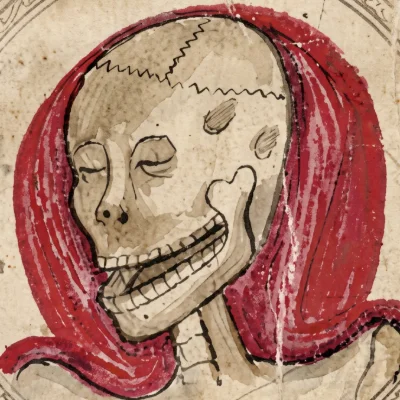
Plato only lets philosophers rule because nobody else volunteered
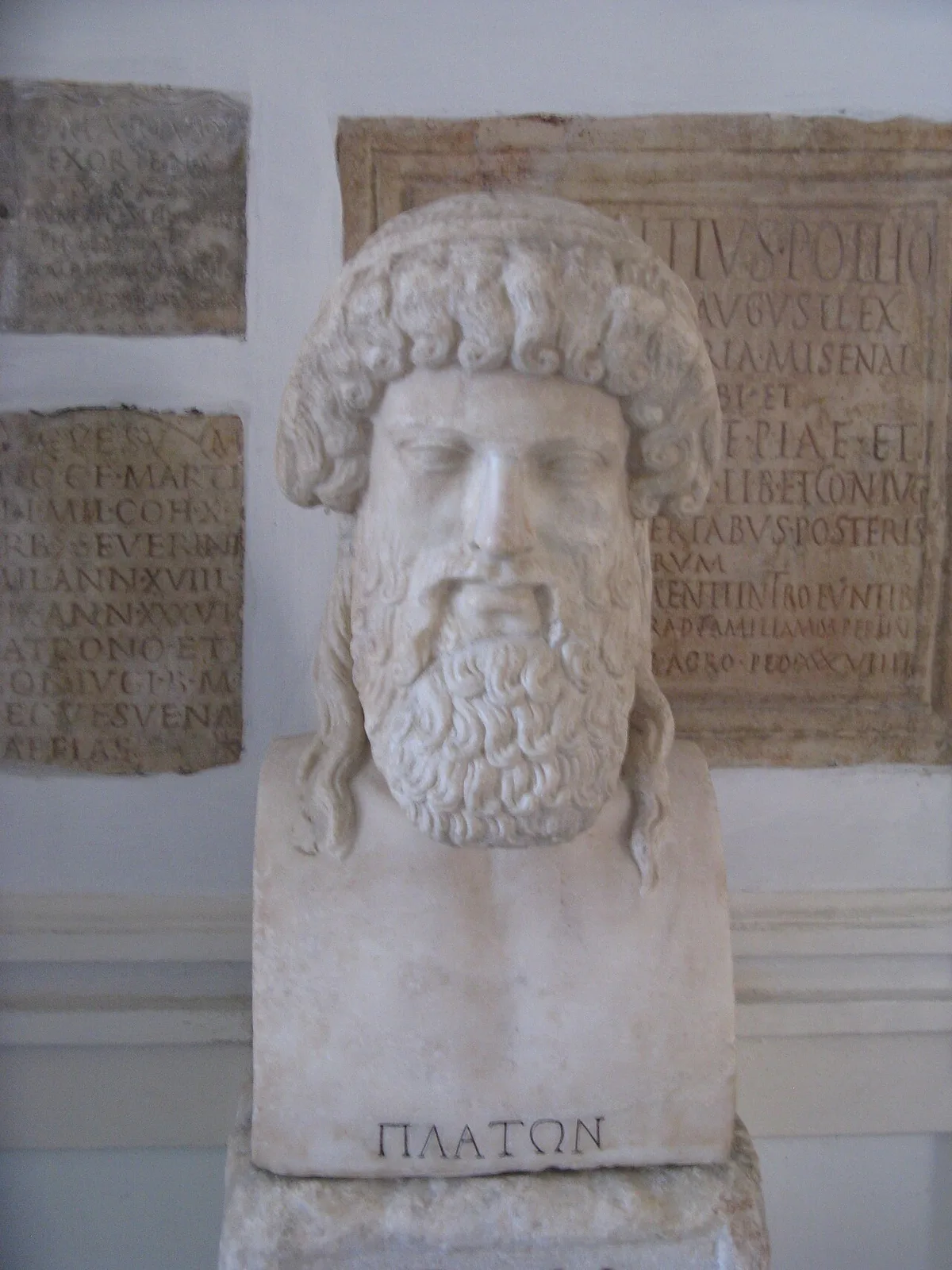
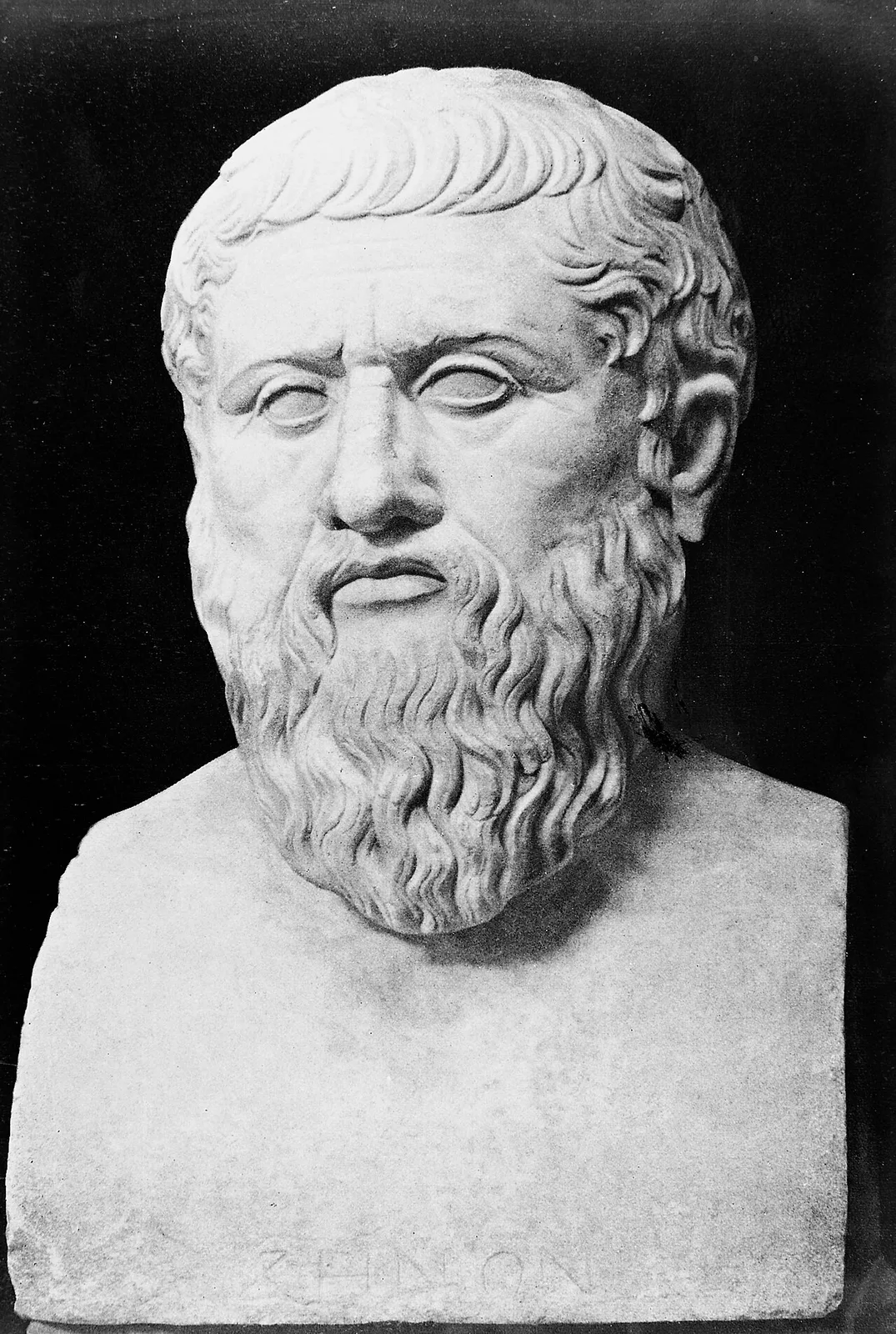
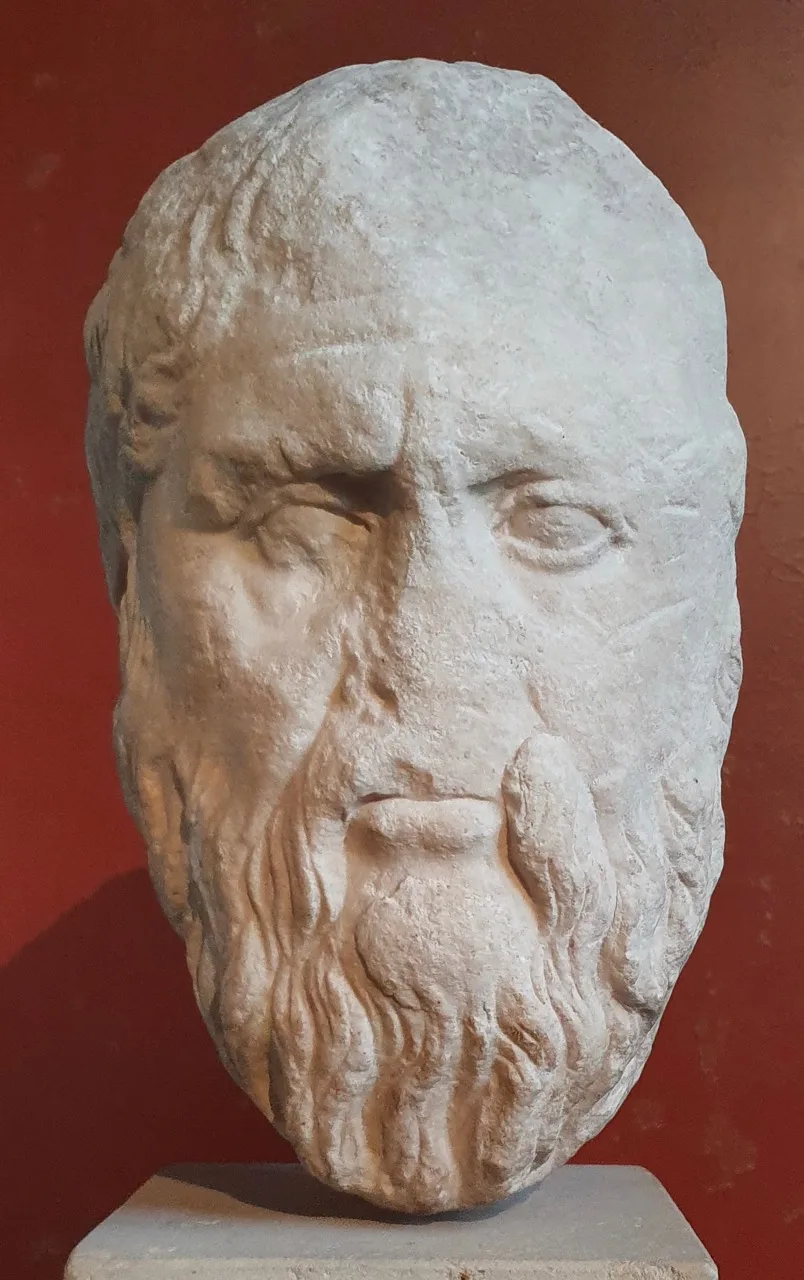
The phrase everyone remembers from Plato's Republic is the philosopher-king: the idea that cities go wrong until philosophers run them, or the people who run them take up philosophy properly. It arrives late in the book, and it arrives hedged. Socrates, the character who does most of the talking, says the ideal city he has just spent pages building may not exist anywhere on earth. It might be a pattern laid up in heaven, a model for anyone who wants to order their own life by it. That is a strange way to propose a political programme, and it is why people have argued for 2,400 years about whether the Republic is a blueprint or an elaborate joke about blueprints.
If you want to feel why Plato was not relaxed about democracy, you have to start with the body count. Socrates, Plato's teacher, was tried and executed by democratic Athens in 399BC, on charges of impiety and corrupting the young. Then in 404-403BC, with Spartan help, a small group of rich Athenians seized power and ran a reign of terror known as the Thirty. Plato was a young man during both. When the Republic asks whether it is always better to be just than unjust, it is not a seminar question. The BBC's In Our Time re-released its 2017 episode on the Republic as part of a ten-episode archive selection, with Angie Hobbs, MM McCabe and James Warren talking it through, and the framing is exactly that question: "Is it always better to be just than unjust?" bbc.co.uk/programmes/p0p1f993
The mechanism of the book is easy to miss because the famous bits get quoted alone. Socrates builds the ideal city as a bigger version of a single person's soul, on the theory that justice in a city and justice in a mind are the same shape. A just person has reason in charge, with spirit and appetite kept in their places; a just city has the equivalent arrangement. The philosopher-king is what that analogy produces, not a separate manifesto. And the ideal city is repeatedly described as something that may only be a standard to measure against, not a place to move to. Whether Plato meant it as a serious political proposal is still contested, and the text genuinely supports both readings, which is why the argument has not settled.
The allegory of the cave is usually told as a story about seeing the truth. A group of prisoners chained in a cave since childhood see only shadows cast on a wall by objects passing behind them, and take the shadows for reality. One is freed, is dragged up into the sunlight, is blinded, and slowly adjusts. That is the seeing part. The part that gets skipped is what happens when he goes back down. He cannot see in the dark anymore, the other prisoners think the trip ruined his eyes, and if he tried to free them they would kill him. Plato has Socrates say the freed prisoner would rather endure anything than go back to that life, and then says the point of the whole exercise is that he has to go back anyway. The cost of knowing is not being right. It is being asked to return to the people who will not believe you.
Athens had already killed one man who came back down and told them what he saw. The Republic is a dialogue, not a treatise, which means Socrates never quite gets the last word, and his friends keep objecting. The cave does not end with the philosopher crowned. It ends with him squinting in the dark, unrecognisable to the people he came to help.