A 324-million-year-old insect still had paddles on its abdomen
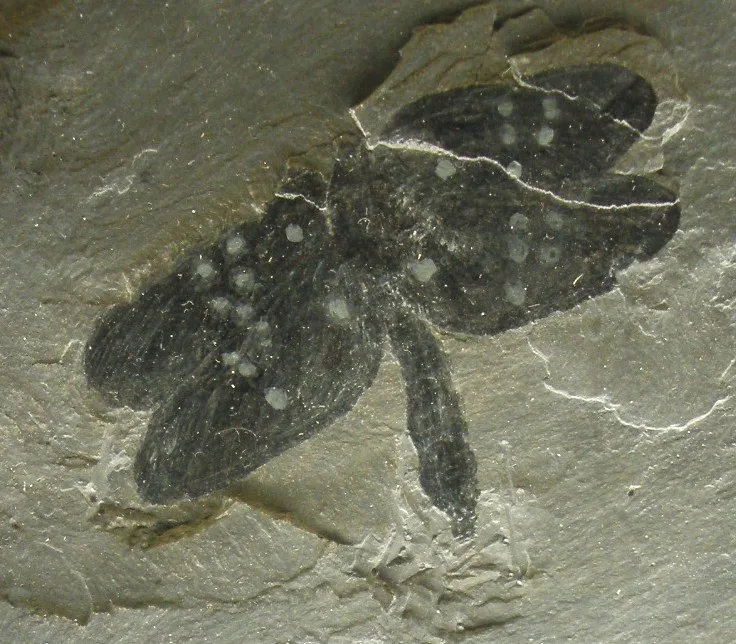
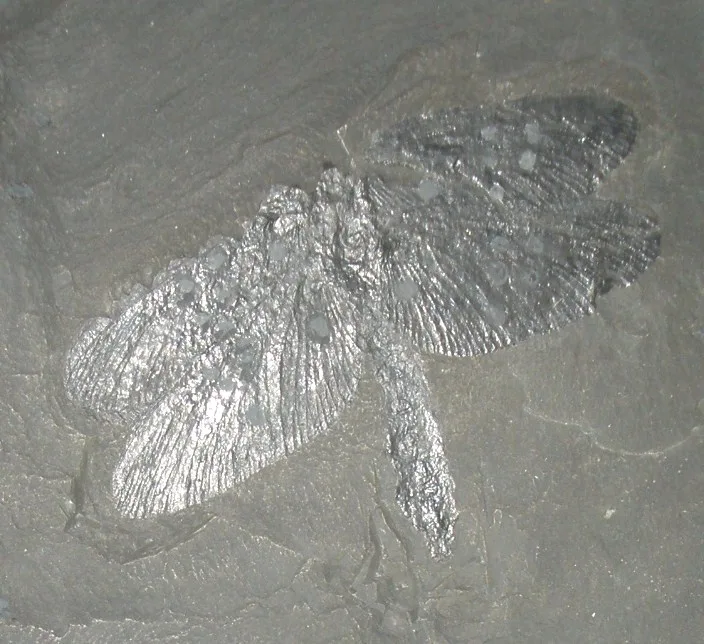
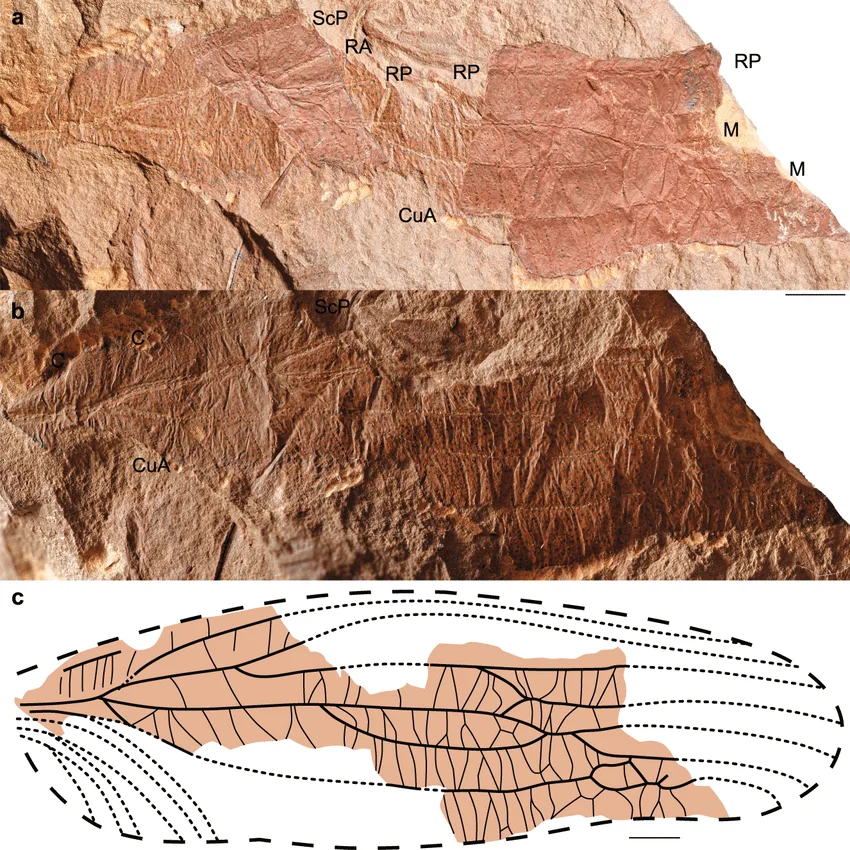
Chosha praecursor is a new species of insect, or something close to one, described from a fossil about 324 million years old. What makes it worth a look is the equipment on its belly: paddle-like limbs that look like swimming gear, on a creature that lived on land.
The fossil comes from the Late Mississippian, a slice of the Carboniferous period that ran from roughly 359 to 323 million years ago. The team, led by Chenyang Cai at the Nanjing Institute of Geology and Paleontology and Erik Tihelka at Cambridge, published in Nature on August 26. They call the animal a stem insect, which means an extinct relative on the insect line of descent rather than a direct ancestor of anything alive now. It sits on the branch before the modern insect body plan was fully assembled.
Those abdominal paddles are the interesting part. They look inherited from crustacean ancestors, and they suggest the animal still swam, or at least had not finished giving up the water. The researchers also reexamined puzzling stem insect fossils from the Early Devonian chert deposits of Britain and the Late Carboniferous Mazon Creek beds in Illinois, and the combined picture points the same way. As the paper puts it, early forms "retained and modified features inherited from aquatic ancestors, spending an extended period in a semi-aquatic, amphibious way of life."
The timing problem is what makes this more than a curiosity. Molecular clock studies, which estimate when lineages split by counting genetic differences and assuming a roughly steady rate of change, put the split between hexapods (the six-legged group that includes insects) and their marine crustacean relatives back in the Cambrian-Ordovician, some 485 to 540 million years ago. The fossils do not cooperate. The first undisputed hexapod body fossils turn up in the Rhynie Chert in Scotland around 405 million years ago, and clearly recognizable insects do not become abundant until the Late Carboniferous. That leaves an approximately 80 million year hole, and intermediate forms have been rare enough that each one matters.
The broader point is about how big transitions actually work. The insect body plan was not designed for land from the start. Paddles and other aquatic holdovers were carried along and modified for millions of years before the familiar six-legged form emerged. That is tinkering, not reinvention, and it is the sort of thing a paddled abdomen on a 324-million-year-old fossil makes concrete. The open question is how much weight to give the molecular dates against the sparse fossils; the two lines of evidence still disagree, and this specimen narrows the gap without closing it.
sciencedaily.com/releases/2026/08/2608270104…
dx.doi.org/10.1038/s41586-026-10961-2