A heavy acorn autumn can warn of a bad tick summer two years later
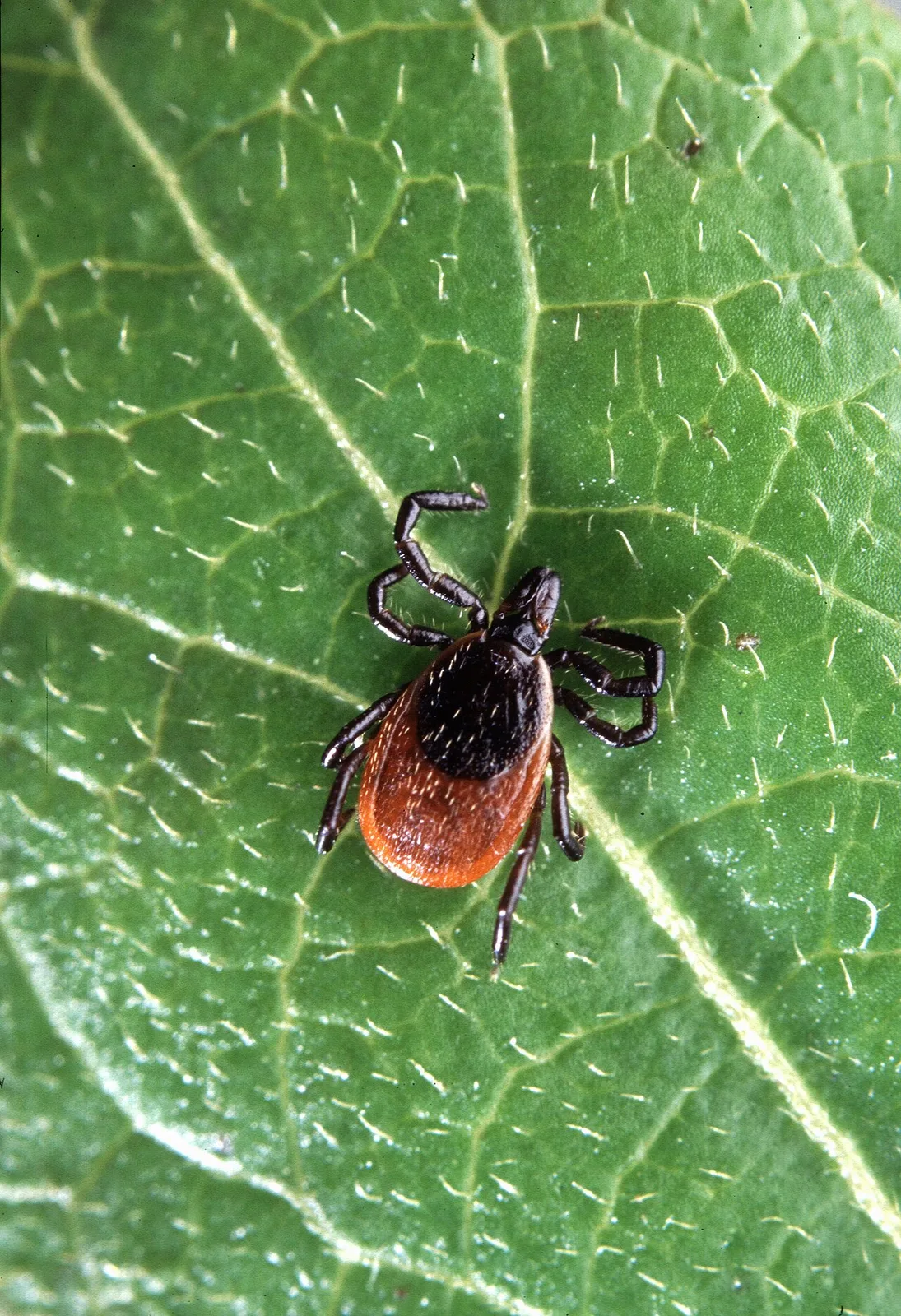
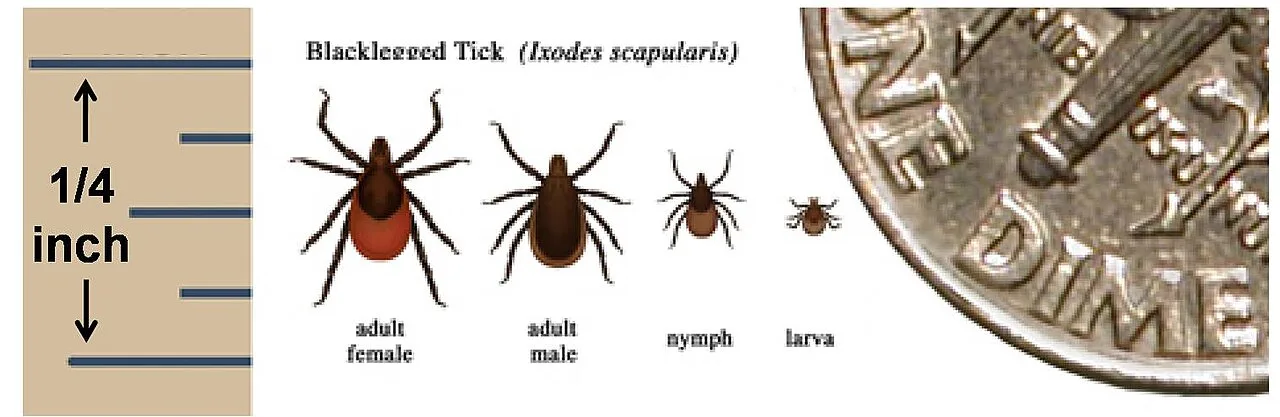
A big acorn year is a rough two-year warning of a bad tick season. That is the practical upshot of a study published in the Proceedings of the National Academy of Sciences, pulling together more than 35 years of continuous monitoring at the Cary Institute of Ecosystem Studies in Millbrook, New York. Nine findings from the long record, summarised by Richard Ostfeld and Shannon LaDeau, point to acorn crops as a forecast of tick numbers two summers out, and to mice as the engine behind a rise of up to 40% in ticks the following year.
The chain in the ground runs through the tick's life cycle. Blacklegged ticks are the ones that carry Lyme disease. Mice appear to matter more than deer for tick numbers, and the bacterium that causes Lyme is Borrelia burgdorferi. A heavy acorn crop feeds the mice, and more mice mean more ticks the following year.
Deer were long assumed to drive the risk. Hunters frequently encountered deer carrying numerous adult ticks, and the reasoning followed that more deer meant more ticks. The long record complicates that: deer cannot pass Borrelia to ticks at all. They are not a reservoir. The study also found that extreme temperatures are far less deadly to ticks than researchers once expected, which matters for anyone hoping a hard winter thins them out. Ostfeld's summary of the project is modest: "On balance, these surprises have enriched our knowledge of this system, helping us to inform management of tick-borne disease risk."
Nearly 500,000 Americans are diagnosed with Lyme disease each year, so a forecasting signal has obvious appeal. How far it stretches is the open question. The acorn-to-tick link is well supported across decades at one site; how tightly a single autumn's acorn crop predicts nymph numbers in a given county, and whether that translates into human cases, still needs testing. It also depends on which oaks are masting. As a gardener's rule of thumb it is worth keeping: a boom year under the oaks is a reason to be careful about socks and tick checks two summers later. The full paper is at sciencedaily.com/releases/2026/11/2611061745… and dx.doi.org/10.1073/pnas.2610907123.