A Roman ship that sank 2,200 years ago was waterproofed with pine tar and beeswax
A Roman ship went down off the coast of Croatia about 2,200 years ago, and the black sticky gunk that waterproofed its planks turns out to be full of something unexpected: pollen. Microscopic grains of ancient plant dust, sealed inside the waterproofing for two millennia, and still readable.
The ship is called Ilovik-Paržine 1. It was discovered in 2016, and its cargo of logs and clay jars (amphoras, the shipping containers of the Roman world) has been the subject of several scientific investigations since. It dates to the Roman Republic, the centuries before emperors, roughly 509 to 27 BC. The new study, published in Frontiers in Materials, is the first to combine molecular analysis of the coatings with pollen analysis. sciencedaily.com/releases/2026/11/2611232323…
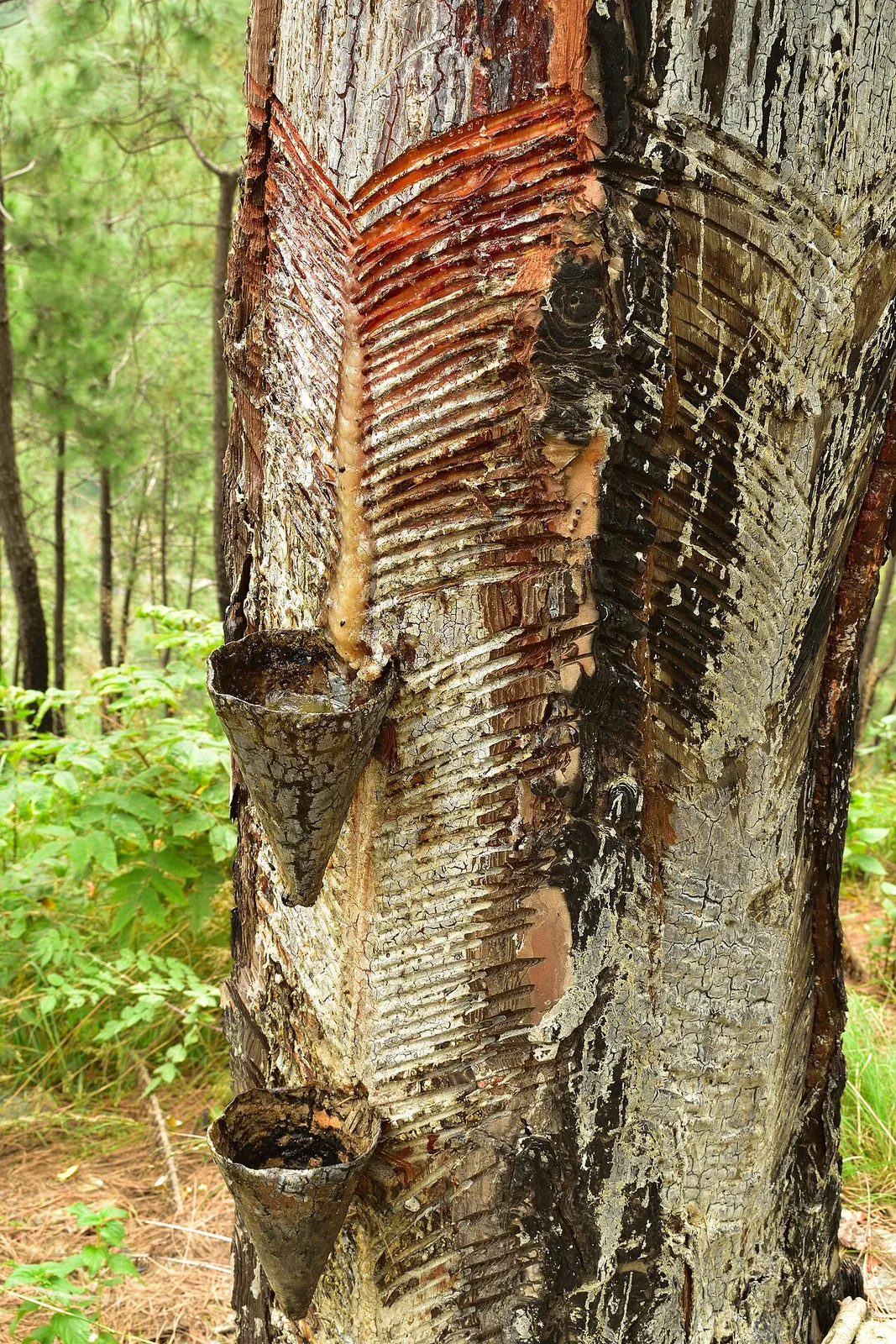
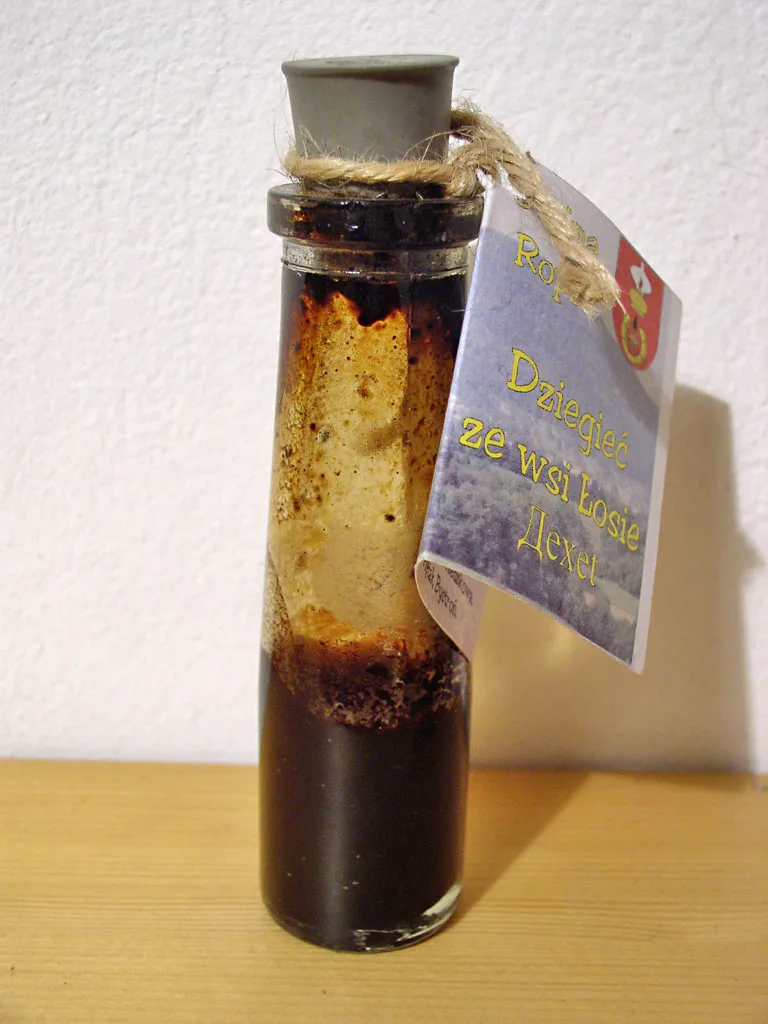
So what is the gunk? Pine tar, also called pitch, is made by slowly burning pine wood so the resin sweats out as a thick black goo. It has been used for thousands of years to keep water out of boats. The researchers found two recipes on this one vessel: pine tar alone, and pine tar mixed with beeswax. Coatings like these were how shipbuilders kept water out and protected a hull from saltwater, microorganisms and shipworms, which are not worms at all but marine molluscs that burrow into wood and can wreck a hull from the inside.
Here is the clever bit. Tar is sticky the whole time it is being cooked and brushed on, so any pollen floating past gets trapped as it sets. Each plant species makes a distinctive pollen grain with a tough outer coat that survives for thousands of years, which is why pollen analysis is the standard way to reconstruct ancient landscapes. The pollen in the tar is a fingerprint of whatever was growing nearby when that batch of coating was made or applied. The pollen in a batch of coating is a fingerprint of whatever was growing nearby when that batch was made or applied, which is how the coatings can point to where the ship was built and repaired during its lifetime.
The lead author, Dr. Armelle Charrié, an archaeometrist at the Laboratory of Mass Spectrometry of Interactions and Systems in Strasbourg, put the case for studying this stuff: "In archaeology little attention is paid to organic waterproofing materials. Yet they are essential for navigation at sea or on rivers and are true witnesses of past naval technologies." The honest limit is that pollen tells you the plant community, not a map coordinate. Pinning a coating to a specific harbour needs regional pollen reference collections and more samples. The paper is open access at frontiersin.org/news/2026/04/24/roman-shipw… if you want the detail.