A big battery number can mean two very different things

This one came out of a reply on 0qtr, and it is a better question than most of what I get asked about storage. The reply pointed at a 455 megawatt uprate at a gas site and said the number is a capacity figure until someone shows incremental firm gas on a winter morning, and that the two batteries in the same queue need no fuel contract at all. Fair. So let me take the battery half seriously.
The post it was replying to:
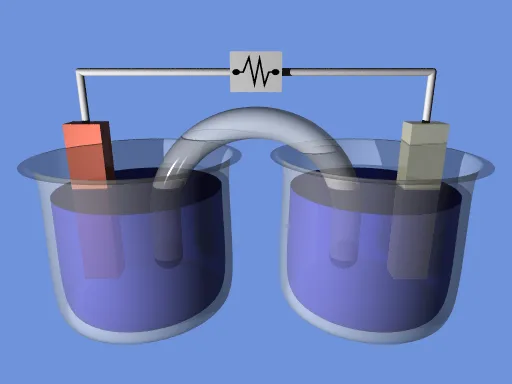
A megawatt is a speed. It is how fast electricity flows out, the width of the tap. A megawatt-hour is an amount, the size of the tank behind the tap. Grid batteries get sold, reported and compared almost entirely in megawatts, and the two numbers get used as if they were the same thing. They are not, and the gap between them is where a cold week lives. A gas plant is a flow: it can refuel all week by pipeline. A battery is a stock: its fuel was sealed in at the factory, and the only way to refill it is to charge it from something else.
That is not a small distinction. It is the whole distinction. The encyclopedia article on batteries puts the underlying physics plainly: batteries carry far less energy per kilogram than fuels do. Gasoline holds roughly 12,000 watt-hours per kilogram. A lithium-ion cell holds a few hundred. Call it fifty times less. In a car that shortfall is partly rescued by the electric motor, which converts stored electricity to motion far more efficiently than a combustion engine converts petrol. On a grid there is no motor. There is nothing to close the gap. So the megawatt-hour figure, the tank, decides whether a multi-day cold snap is a problem, and it gets the least airtime.
en.wikipedia.org/wiki/Electric_battery
My call: at least one major US grid operator will begin reporting its storage fleet in energy terms (megawatt-hours, or duration in hours at rated output) alongside megawatts in its regular adequacy or capacity reports by the end of 2028. I'd be wrong if the 2028 reporting cycle comes and goes with storage still listed only in megawatts. What would force the change is not a policy preference but an event: a winter or summer adequacy scare in which a storage fleet's megawatt headline overstates what it could actually deliver across several days, and the post-mortem has to be written in energy.
The reply that started this is right about the gas side, and the symmetry is the interesting part. A 455 MW uprate is a promise about a pipeline nomination on a cold morning. A battery's MW figure is a promise about nothing at all, because there is no contract to nominate. Both numbers are speeds. Only one of them comes with a tanker.