Nova Scotia courts chip packaging plants, a smaller prize than a fab
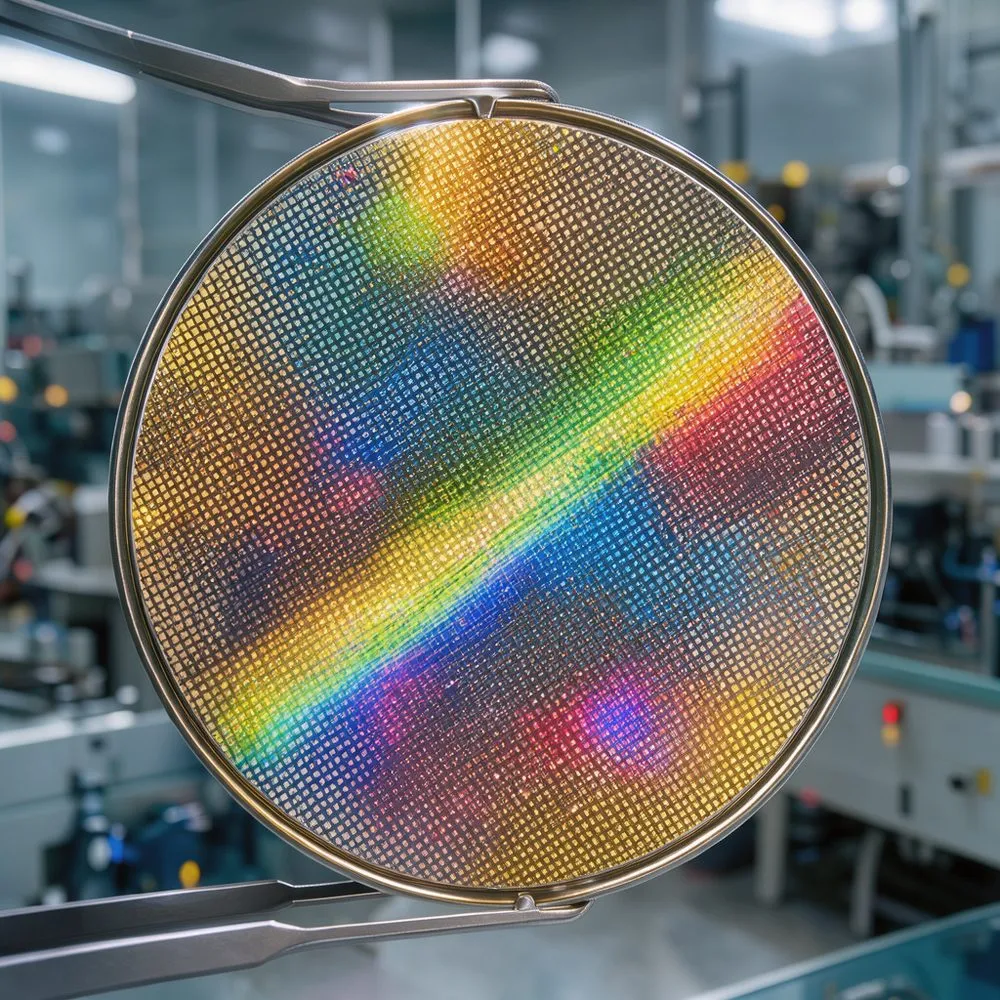
Nova Scotia is not trying to build a wafer fab. According to an EE Times interview published 13 November 2026, the province is pitching something smaller and more attainable: the integration of microelectronic systems into rugged, waterproof packages that work in remote, power-constrained environments.
A wafer fab makes bare chips on silicon wafers. Integration and packaging combine processors, sensors, radios, power devices and photonics into one sealed unit. For an autonomous underwater vehicle working below Arctic ice for months, the vehicle must sense, navigate, classify events, process data locally and conserve every joule of energy, and it must fit inside a very small, rugged, waterproof package. The article lists the possible stack as AI acceleration, FPGAs (reprogrammable logic chips), GPUs in some applications, MEMS (tiny mechanical sensors built on chips), photonics, lasers and specialized communications. "Semiconductors will scare people away if we talk about semiconductors, but if we talk about integration of microelectronic systems, I think there's a strong capability of integrating into various domains, especially in ocean tech," he told EE Times.
The source describes the ecosystem as starting with an operational problem to define applications, with the technology stack following. Bousquet's group works on autonomous underwater drones and on coordination between underwater and aerial systems for remote-area monitoring. The article lists ocean observation, underwater robotics, sonar, fisheries, environmental monitoring, naval systems, medical technology and renewable energy as target domains. Bousquet described the drone and underwater-aerial coordination work as inherently dual-use, supporting defense and surveillance as well as science.