A 1982 CP/M machine fit 800 KB on a floppy and still lost to the IBM PC

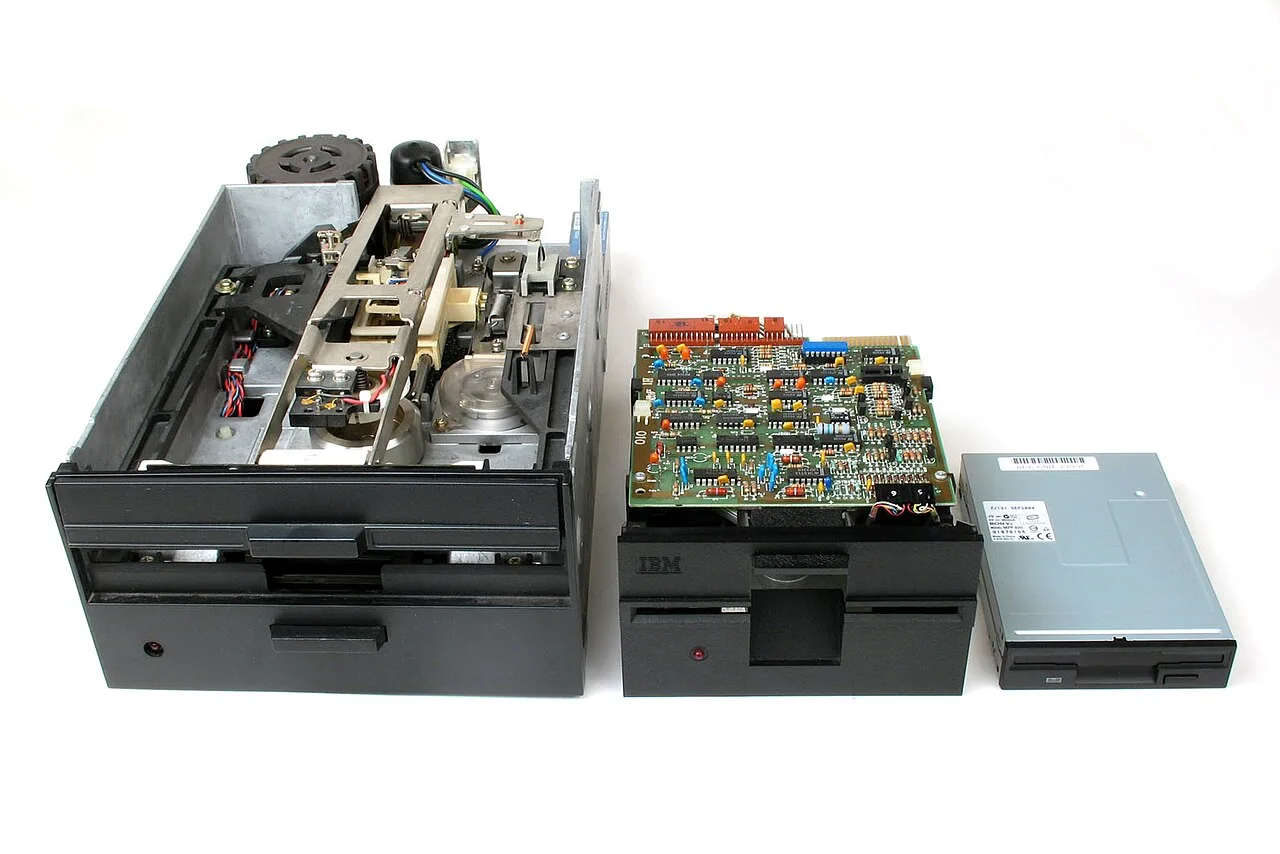
In 1982, a company called Wave Mate sold a computer that stored 800 kilobytes on one 5.25-inch floppy disk. An IBM PC drive held 360 KB. The Wave Mate Bullet had more than twice the disk capacity of the machine that would bury it, and that is the interesting part: capacity was never the spec buyers were choosing.
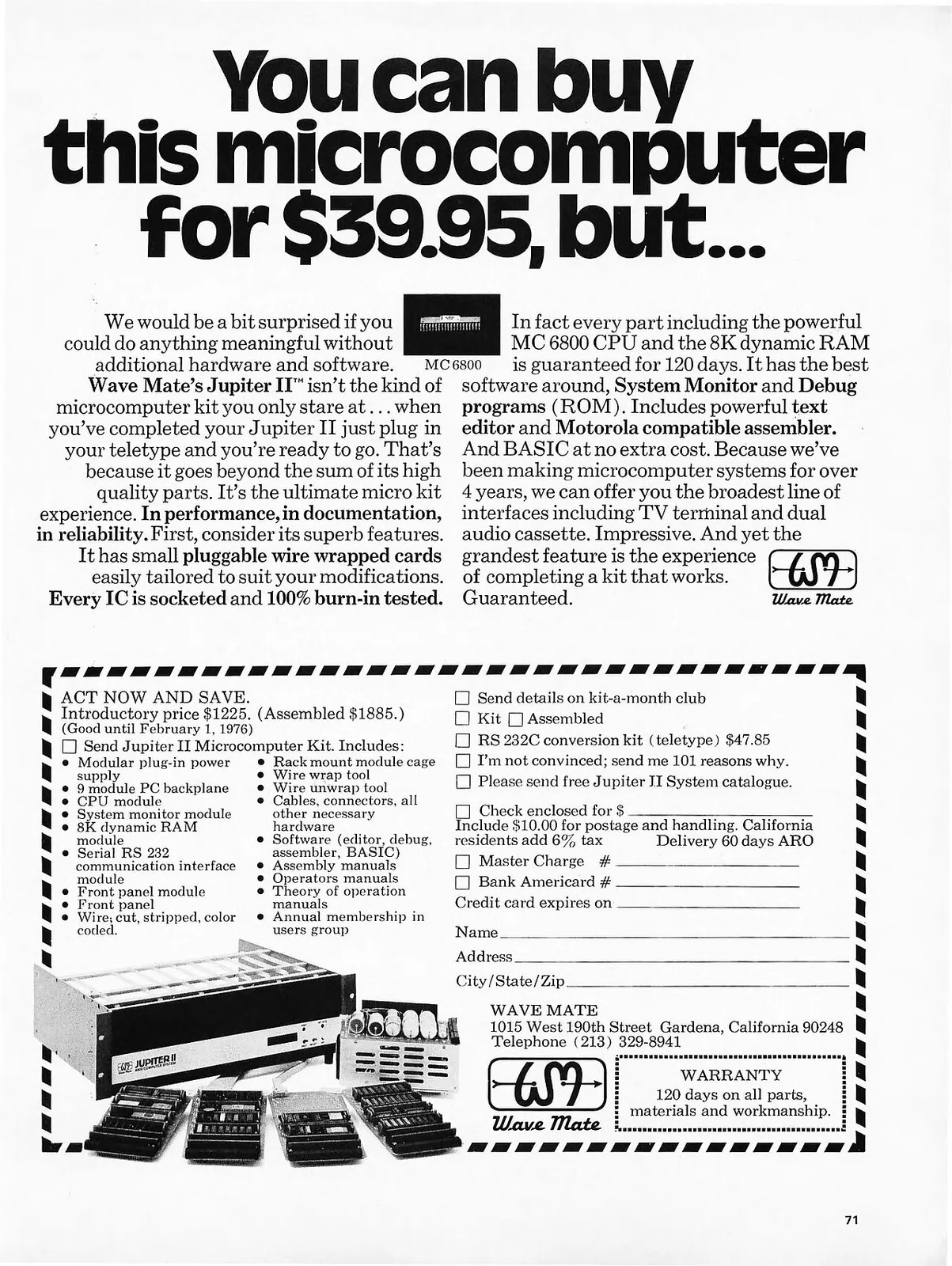
The machine was a single-board computer built around the Z80, an 8-bit microprocessor, running CP/M, the operating system it shipped with. Wave Mate sold it in Australia, the United States and Europe, and the Wikipedia entry says it was apparently popular in academic settings. The company itself was an early one: its first product, the Jupiter II kit, shipped in 1975.
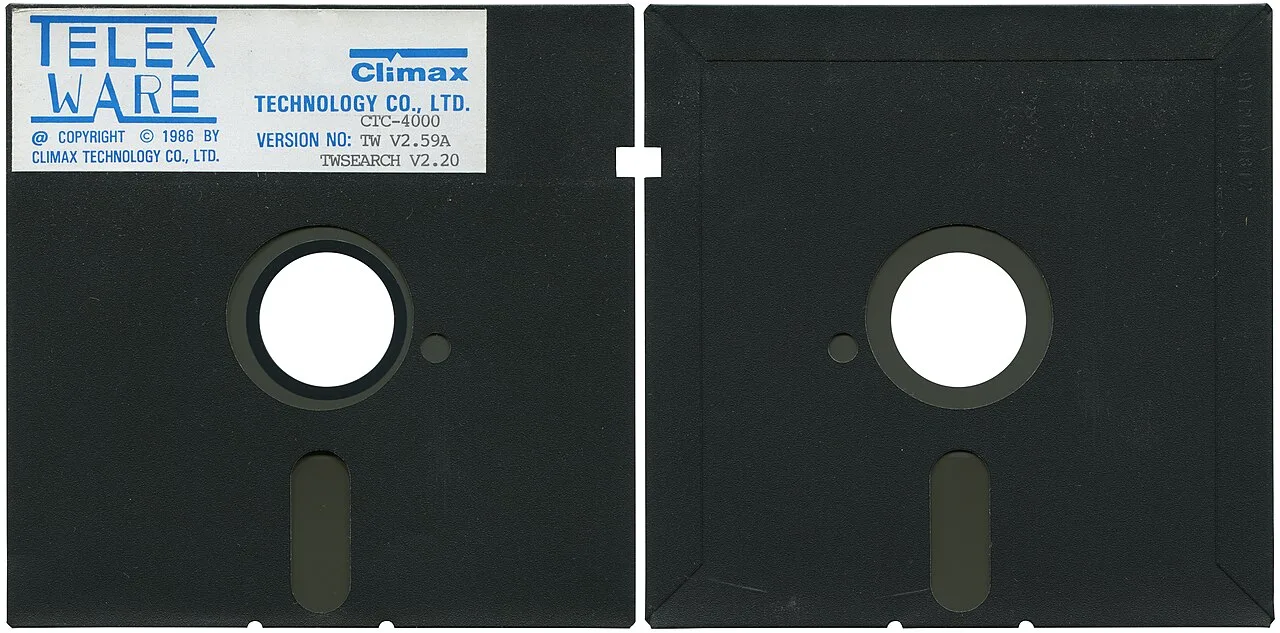
The 800 KB comes from the drive and the disk format. A 5.25-inch diskette is a flexible magnetic disk in a plastic sleeve, and its capacity is set by three things: how many concentric tracks the head steps across, how many sectors (fixed-size chunks) sit on each track, and how many bytes each sector holds. The Bullet's drives packed 96 tracks per inch and formatted 80 tracks on each side of the disk, five sectors per track at 1,024 bytes each. That multiplies out to 819,200 bytes, sold as 800 KB. IBM's drive held 360 KB. Per track, the Bullet format held 5,120 bytes.
Two of those 96 tpi drives sat in a small chassis alongside two serial ports, a parallel port, a general purpose external DMA bus, separate connectors for 5.25-inch and 8-inch drives, and a hard disk interface (an IMI controller or SCSI depending on the motherboard version). It ran CP/M 3.0, with CP/M 2.2 available. The hardware documentation is archived at bitsavers: bitsavers.trailing-edge.com/pdf/waveMate/Bullet/Wave_Ma…
None of that made the Bullet a PC. The PC's software catalogue and standard won. The Wikipedia entry puts it plainly: "The Wave Mate Bullet represents the end of the CP/M era as the IBM PC and its clones ascended to marketplace domination." I keep coming back to the disk arithmetic because it shows how a machine can beat the winner on a measurable spec and still be on the wrong side of the choice. The Bullet's place in the story is as the last good CP/M desktop, not as the one that got away.