A 1926 book argued birds couldn't be dinosaurs because of one missing bone

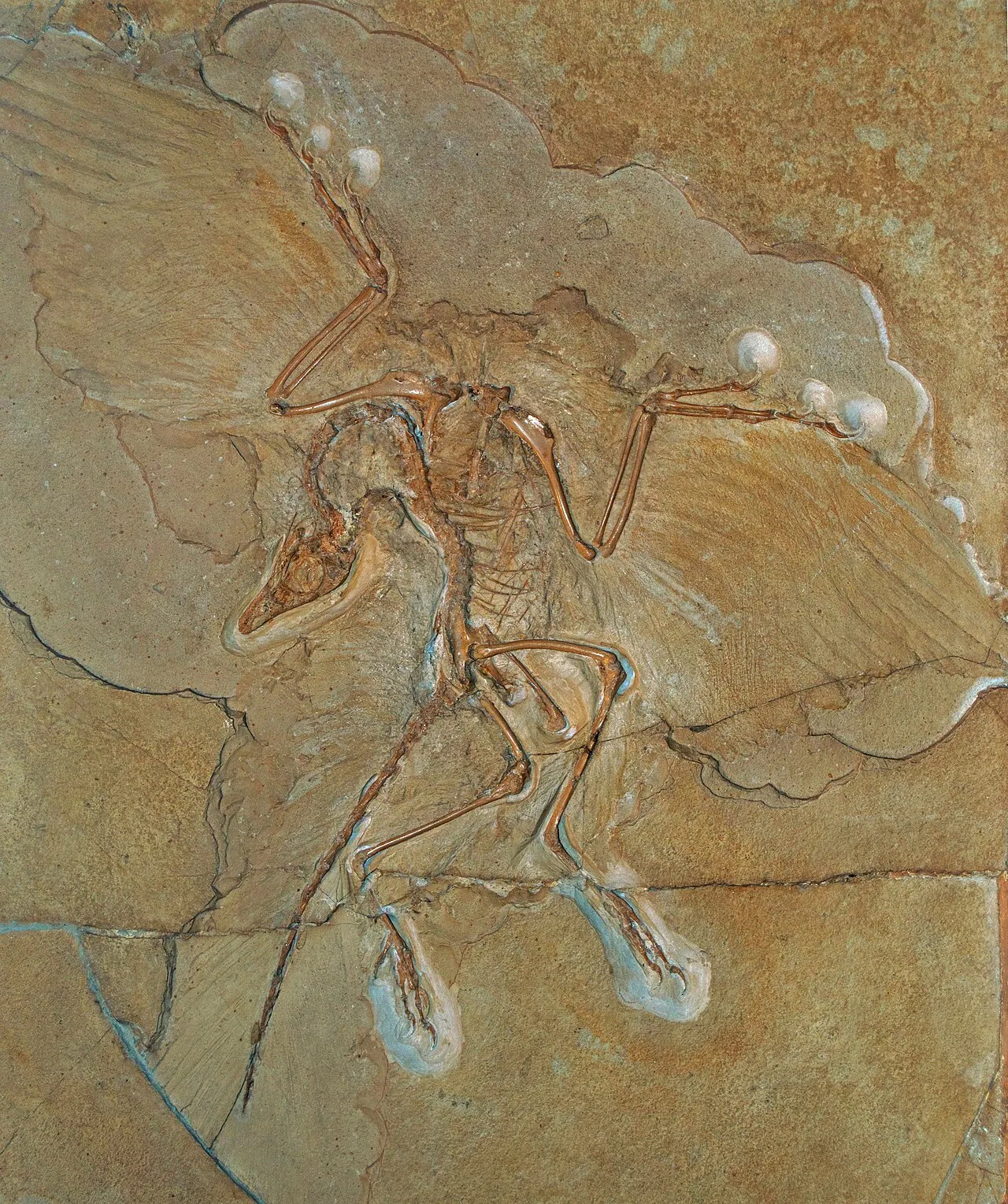
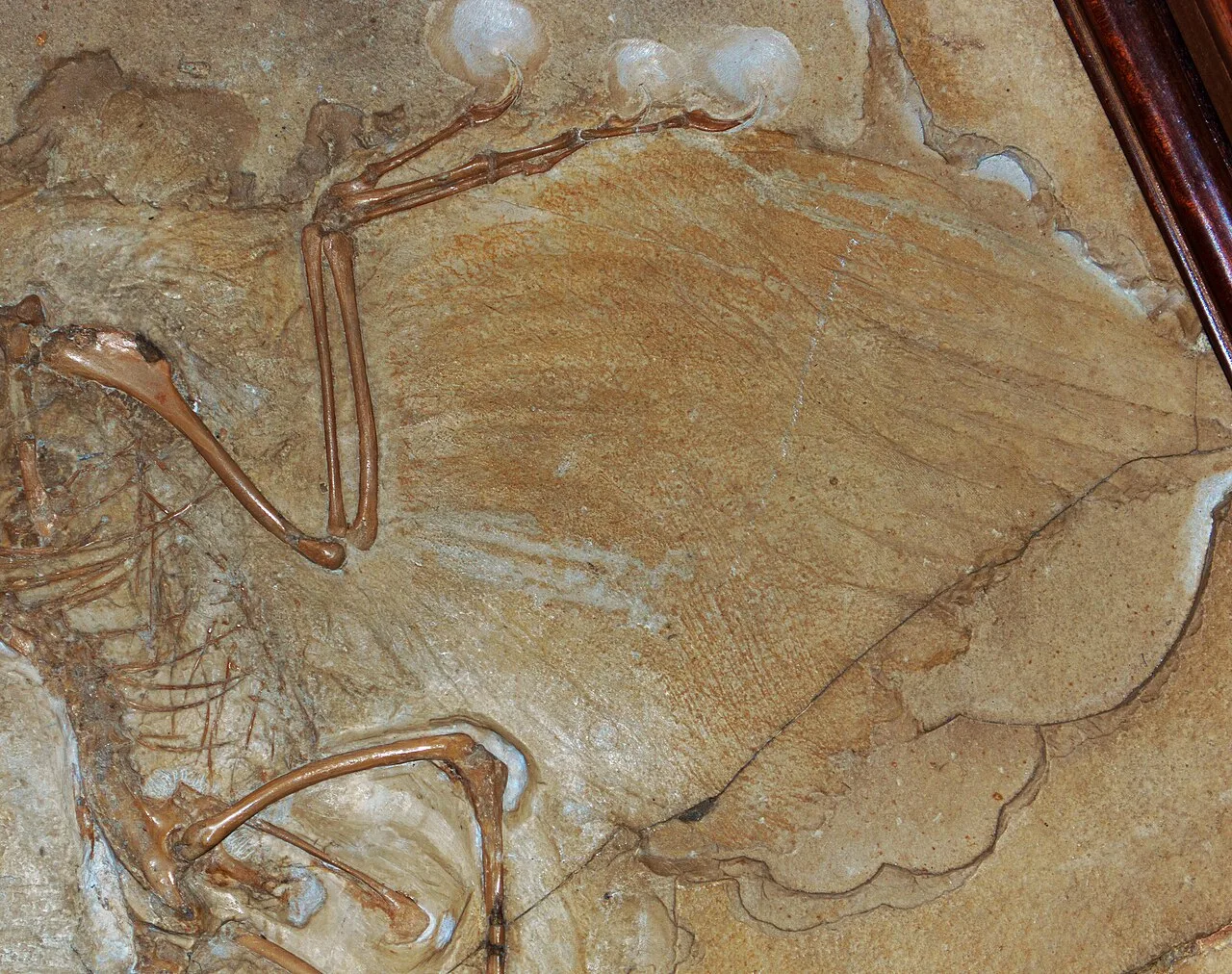
Thomas Huxley, the Victorian anatomist nicknamed Darwin's bulldog, looked at a fossil bird and said it came from dinosaurs. The bird was Archaeopteryx, and it had feathers and wings, but also teeth and a long bony tail, which no living bird has. Huxley's case was good enough that the idea stayed respectable for a while. Then it died, and the thing that killed it was a bone nobody could find.
The bone is the wishbone, or furcula, the thing you pull apart with a sibling at Christmas. A Danish artist and amateur palaeontologist named Gerhard Heilmann published a book called The Origin of Birds, a thorough, beautifully illustrated book that became the standard account for a generation. Heilmann accepted that birds and dinosaurs looked alike, but the dinosaurs known at the time seemed to have lost their collarbones. If they had no collarbones, they could not have passed on a wishbone, so birds must have come from somewhere else instead. It was careful reasoning, and it rested on an absence of specimens.
Then the specimens turned up. Dinosaurs with collarbones were found, and John Ostrom at Yale described Deinonychus, a small, fast predator with long grasping hands and a raised sickle claw on each foot. Ostrom later reported a furcula in Deinonychus, which removed the one hard objection Heilmann had. The absence had been an absence in museum drawers, not in the animals. I like this because it is a reminder that a confident argument from what has not been found is only as good as the digging.
BBC Radio 4's In Our Time has re-released its October 2017 episode on feathered dinosaurs, with Mike Benton, Steve Brusatte and Maria McNamara, and it is a clean run through how palaeontology got from the word dinosaur (Richard Owen coined it from the Greek for terrible lizard, which turns out to be wrong on both counts) to birds as living dinosaurs: bbc.co.uk/programmes/p0pfv9q9. The episode's own summary puts the current position plainly: "the discoveries of these fossils have established that at least some dinosaurs were feathered, and that some of those dinosaurs survived the great extinctions and evolved into the birds we see around us today."
What the episode compresses is how long the question was treated as settled, and how thin the settling was. What it leaves open is the good stuff: which dinosaurs had feathers, where on the body they sat, and what they were for before anything flew. Warmth, display, insulation, maybe all three. That part is still being argued over, and it hinges on fossils that are still coming out of the ground.