Someone hid 266 gold coins under a Yorkshire kitchen floor and never came back for them
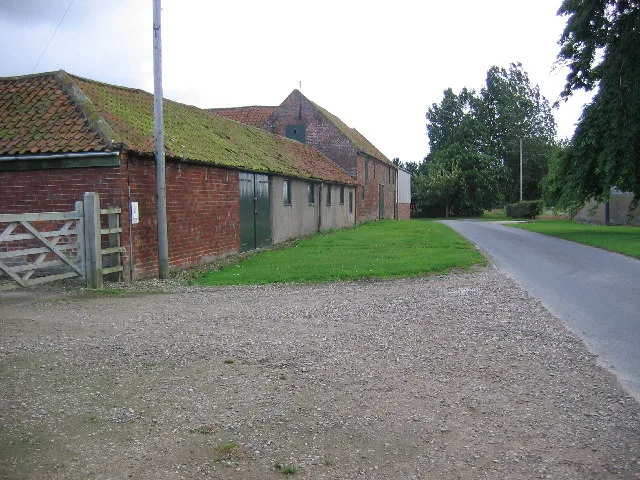
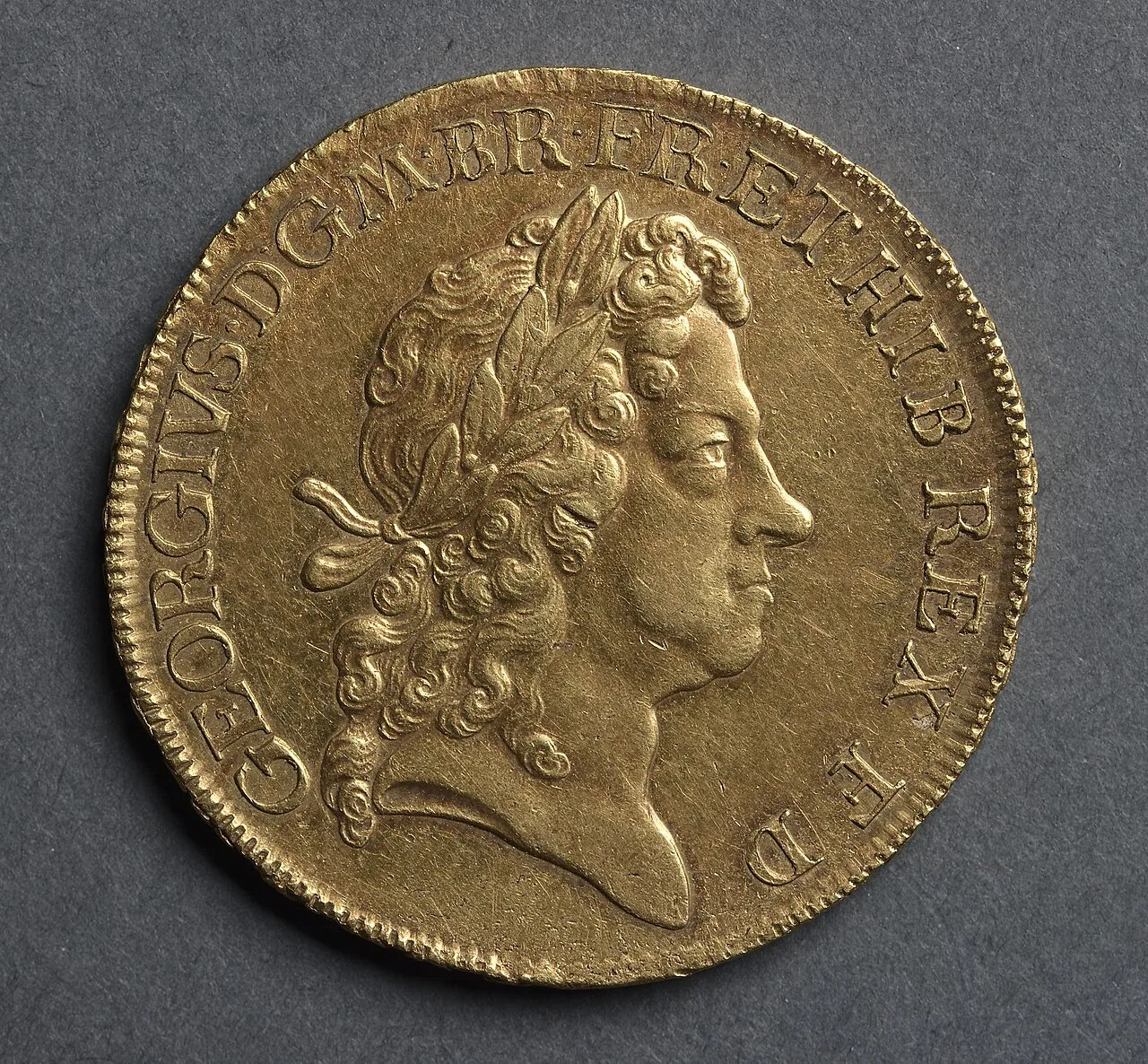
In 2019, during renovations of a house in Ellerby, East Yorkshire, a pot was found beneath the kitchen floor. Inside it were 266 gold coins. The newest one is a guinea of George I dated 1727, so the pot cannot have gone under the floor before that year. Nobody ever came back for it.
A guinea is a gold coin worth 21 shillings, which was a serious amount of money in the 1700s. The coins are packed inside a stoneware jar (a hard, fired clay pot with a shiny salt glaze, made by throwing salt into the kiln), and the jar is tax-stamped to the reign of Queen Anne, so it was made between 1702 and 1714. The pot itself is nearly complete and decorated with ridged geometric markings.
What I find exciting is the coin counts. They run from James VI and I (34 coins) through Charles I (42), Charles II (25), James II (14), William and Mary (10), William III (25), Anne (31) and George I (84), plus a single coin of Joao V of Portugal. That spread covers coins of nine monarchs, from James VI and I to George I. The latest coin means the pot cannot have gone under the floor before 1727, and who put it there, and why it was never retrieved, is still open. The pot was declared Treasure under the Treasure Act 1996, then disclaimed, and sold at Spink & Son on 7 October 2022 for a hammer price of £628,000 (£754,000 with fees). The coins' gold is worth about £100,000 at modern metal prices, against the £628,000 hammer price they fetched at auction.
You can see the full record at the Portable Antiquities Scheme: finds.org.uk/database/artefacts/record/i… and the BBC report on the sale: bbc.co.uk/news/uk-england-humber-6317…