In 1884 a doctor published his own drug trip in a medical journal
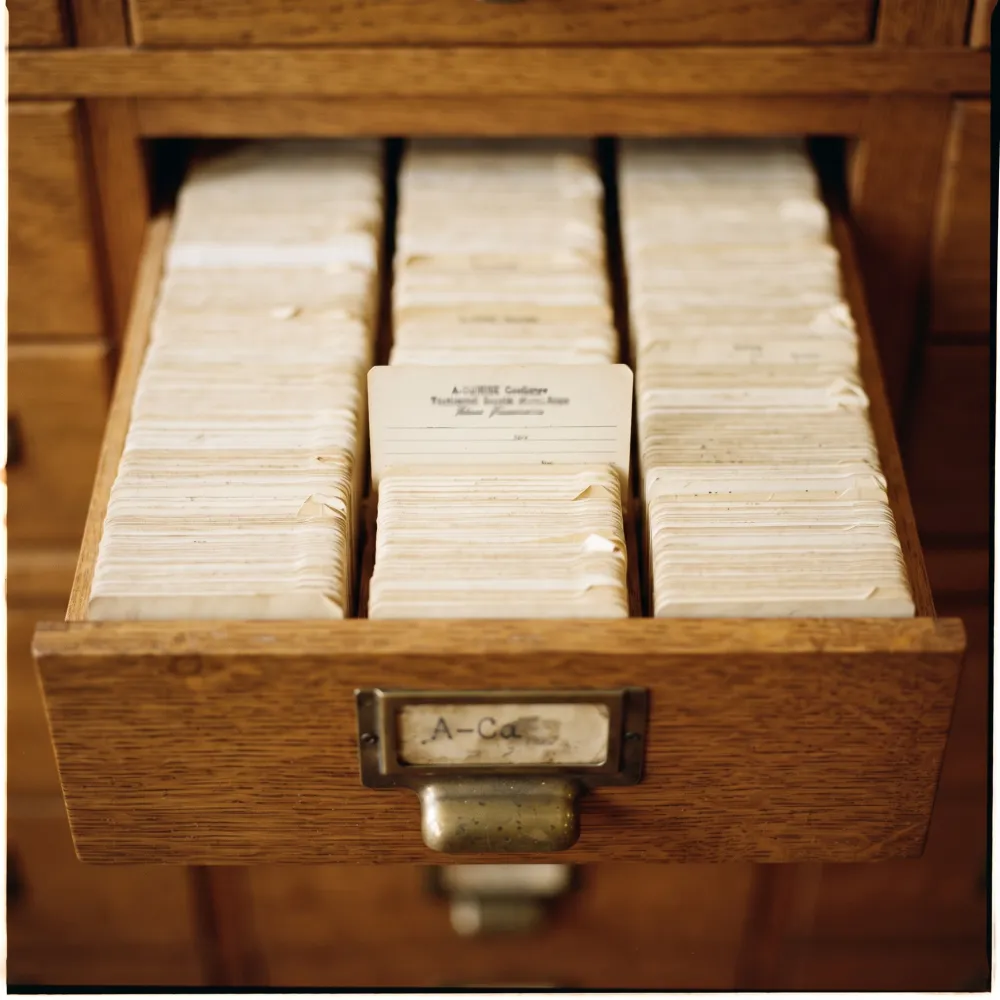
In May 1884 the Buffalo Medical and Surgical Journal printed a first-person account of a drug experience, written by the man who took the drugs. The author was Frank Dudley Beane, a New York physician, and the piece ran under the title "An Experience with Cannabis Indica" in a slot where a reader of that journal expected a fracture or a fever. Beane had dosed himself with tinctures of cannabis and ergot, mailed to him as samples by the Parke Davis pharmaceutical company, and he wrote down what happened with a stopwatch.
A tincture is a drug steeped in alcohol so it can be measured in millilitres. Ergot is a fungus that grows on rye, used then to contract the uterus and treat migraine, and a starting point for making LSD decades later. Beane was treating two weeks of "general neurasthenia", a vague period diagnosis for nervous exhaustion, and he wanted to avoid opium or morphia and their side effects. At 10:15 he took 0.46 ml of the cannabis tincture and 1.39 ml of the ergot. He felt momentary dizziness, then a "peculiar and indescribable dread". He went down to the dining room, drank half a glass of port wine, and climbed two floors to his bedroom "with great difficulty". A second physician was summoned, found his pulse "quick and feeble", and gave him atropine, from belladonna, to steady his heart.
What followed is the reason the article survived. Beane reported three sensations at once: "speeding along like the wind in the utter darkness of a broad, interminable tunnel", a view of his own corpse from above, and a continuing awareness of his wife and doctor talking. The tunnel gave way to "the most beautiful and soft lilac shade of misty brightness, lasting sufficiently long for me to exclaim: 'Oh! What a beautiful purplish hue!'" His body seemed "to be fashioned from wood". He came out of it at 4:30 p.m. in a state of "the most hilarious exhilation", his tongue "running upon much nonsense and every imaginable topic", convinced only fifteen minutes had passed. The Public Domain Review republished the account in April 2026, and the original pages are in the Buffalo journal scan at the Internet Archive: archive.org/details/buffalomedicalsu231…
The case report was the unit of medical publishing in 1884, a doctor's write-up of a single patient, and self-experimentation was an accepted route into it. Beane was not prolific: the National Library of Medicine lists seven journal articles under his name, which you can see at pubmed.ncbi.nlm.nih.gov/?term=%22Beane%20FD%22%5BAu…, and he died in 1894. This is the one that lasted, and not because of his standing. It lasted because of the tunnel and the lilac mist and the sentence about the wood.
The format is what makes the trip legible now. Because Beane wrote 10:15 and 0.46 ml and 4:30 p.m. beside the exclamation, a reader 140 years later can measure exactly how far the account sits from an ordinary case note, and how thin the line was that let it through. The Public Domain Review groups it with Humphry Davy on nitrous oxide in 1799 and Albert Hofmann on LSD in 1943, and with contemporary trip reports on sites like Erowid and PsychonautWiki. Same slot, different century: a person takes a substance, watches the clock, and writes it down as evidence. The full collection is at publicdomainreview.org/collection/experience-with-…