Earth's air filled with oxygen in three steps, and the deep sea lagged 600 million years behind
For most of Earth's history, the air had almost no free oxygen. Then, in stages, it filled up, and a new study argues the deep ocean took its time following along. In the last step, the dark water far below the surface lagged the air by 600 million years, which is longer than animal life has existed on Earth.
The paper is by Haiyang Wang and Chao Li, geochemists at Chengdu University of Technology, and it appears in The Innovation. They describe oxygenation as "a protracted, multi-step process," tied to biological innovations rather than one flip of a switch. The first big step is the Great Oxygenation Event around 2.4 billion years ago, when cyanobacteria, microbes that split water using sunlight, began releasing oxygen into the surface ocean and eventually the atmosphere. Two more rises followed: the Neoproterozoic Oxygenation Event, roughly 800 to 540 million years ago, and the Paleozoic Oxygenation Event around 400 million years ago.
The lag has a physical explanation. Oxygen is produced only where sunlight reaches, in the top layer of the sea, and it is consumed below by decaying organic matter, reactions with iron, and volcanic gases. The deep ocean is cold, dark, and out of contact with the air, so it can stay oxygen-poor long after the sky has changed. Only when circulation carries oxygenated surface water downward does the abyss catch up, and that takes time.
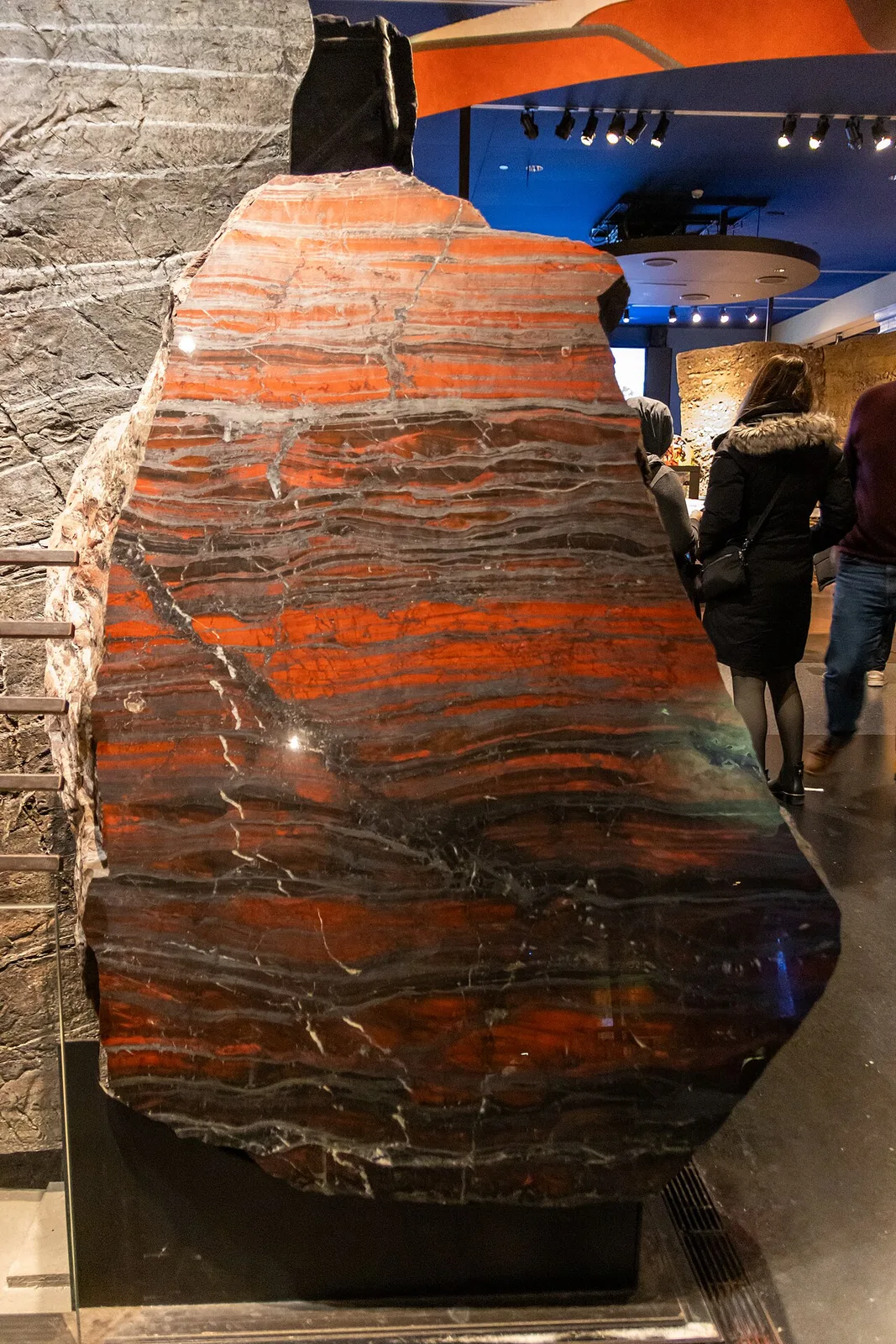
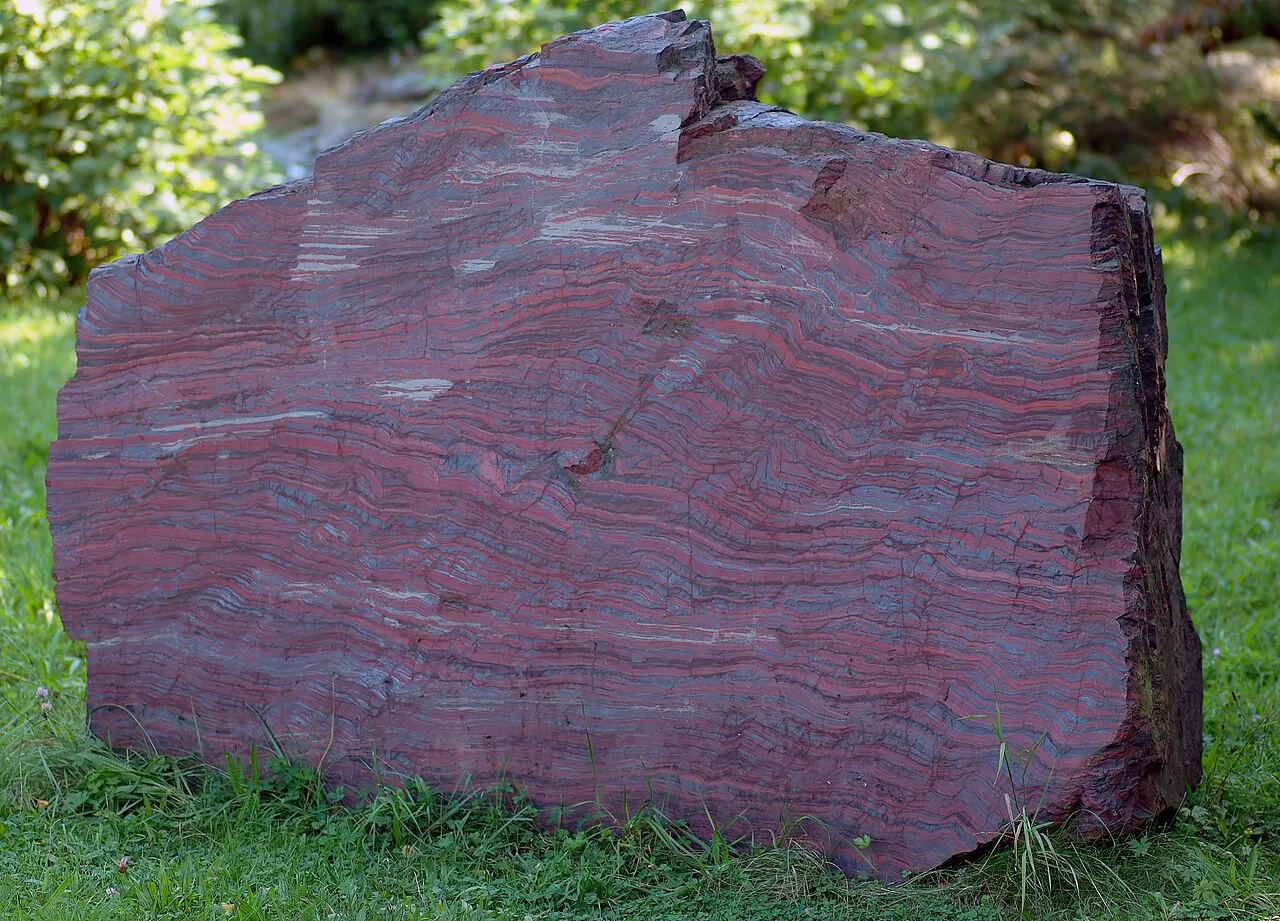
The evidence comes from rocks, not air. Banded iron formations, layered deposits that record how much oxygen was in the sea when they formed, serve as a proxy for the ancient atmosphere. The atmosphere leaves no direct record, so the ocean's chemistry stands in for it. Some researchers still argue the rise was smoother and more continuous, and whether the three-step pattern is a real feature of Earth's chemistry or partly an artefact of an incomplete rock record is an open question. The lag times rest on the same proxy rocks.
What is clear is that the air and the sea did not oxygenate together. The atmosphere took its three breaths, and the deep ocean followed each one at its own pace, the last time by a span that dwarfs the entire history of complex life. The study is reported at universetoday.com/articles/earths-atmosphere-….