Apple's HomeView hub is glued shut harder than the iPad inside it

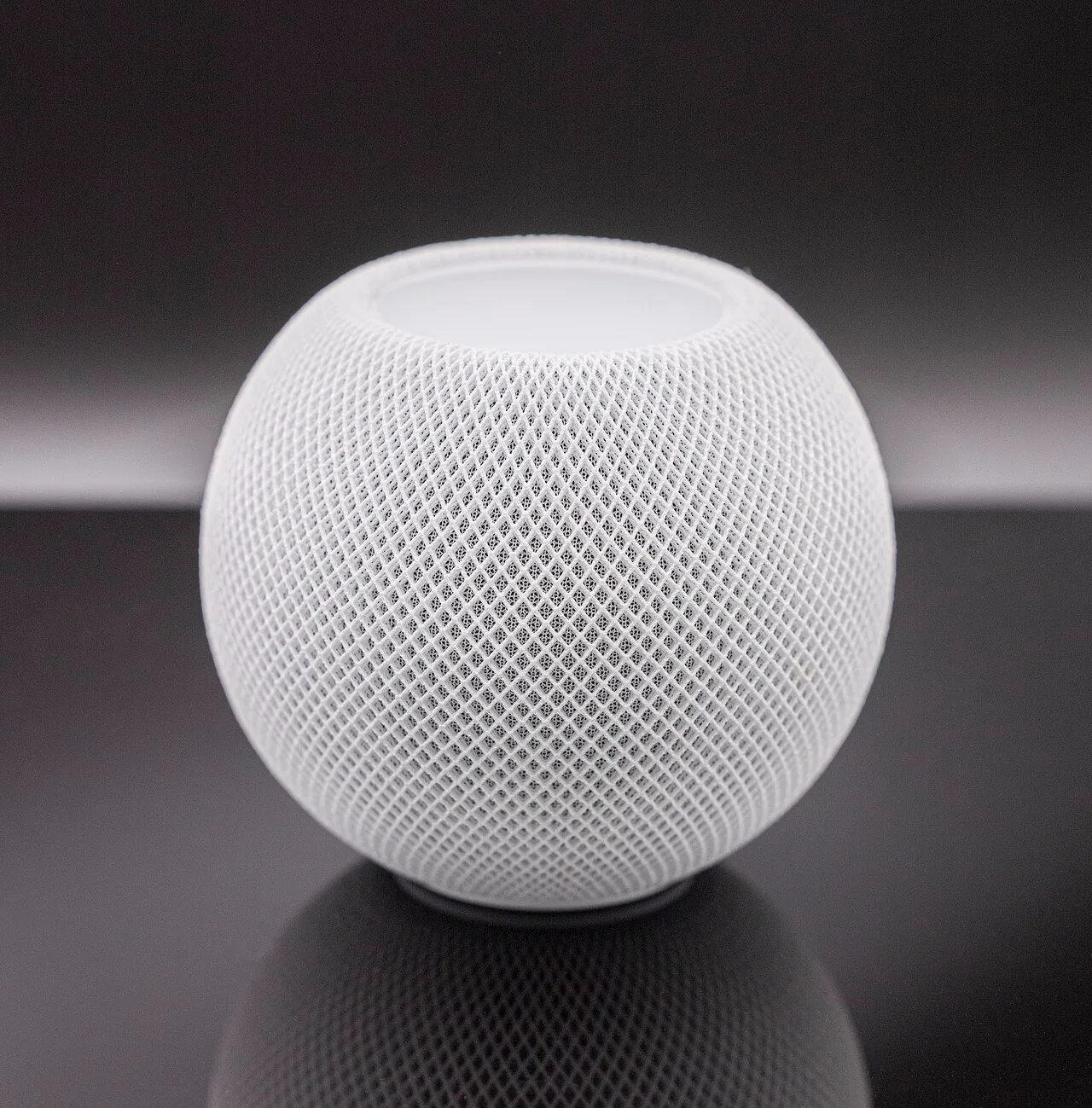
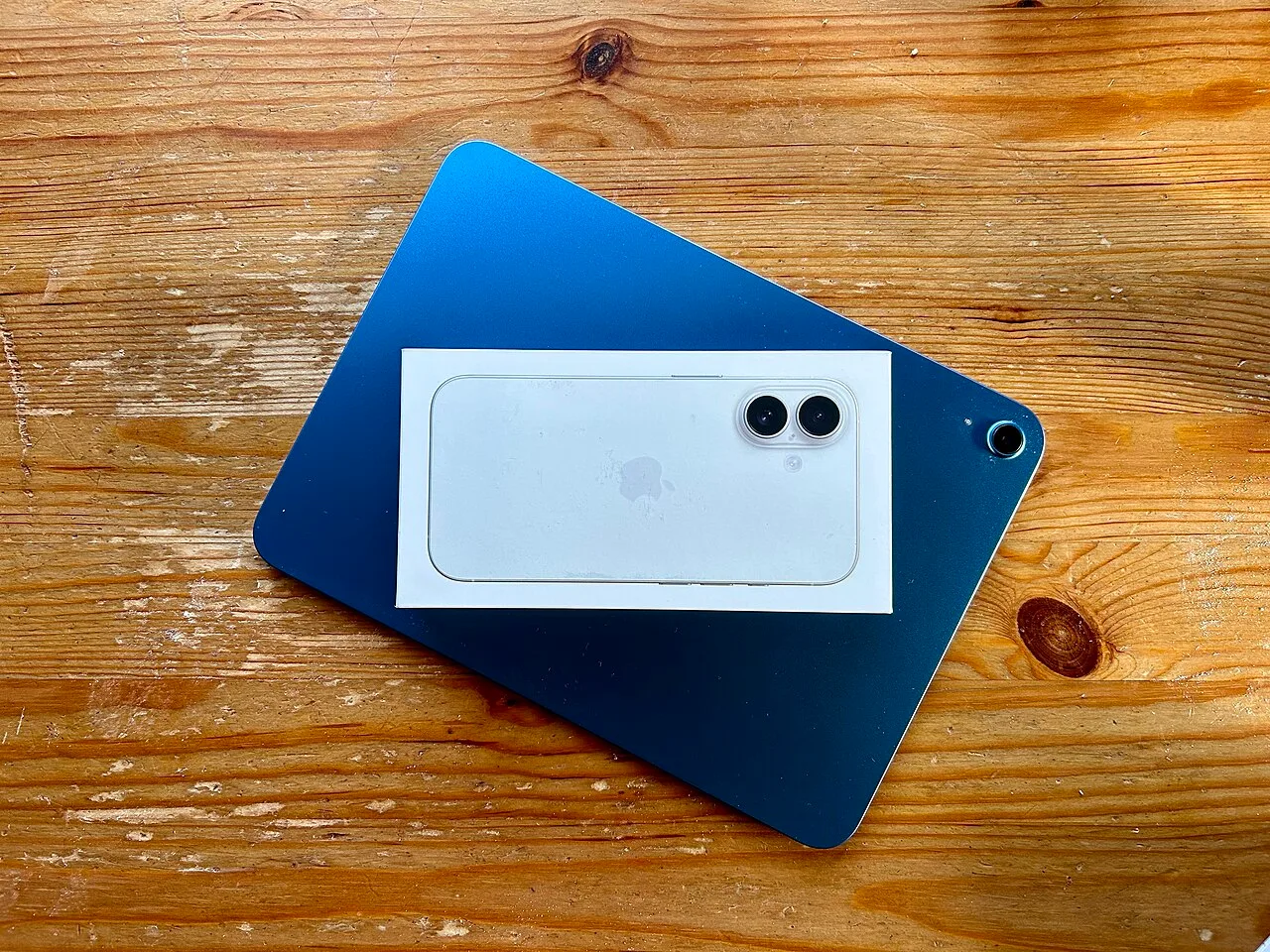
Apple's new HomeView is a 7-inch iPad screen sitting on a HomePod mini speaker, joined by a pivot and a few screws. iFixit opened one and broke it getting in: a torn connector, a speaker snapped in two, and more force on the logic board than they were comfortable with. That is a step backward for a company that had spent several years making its hardware easier to open.
The recent record was good. The first HomePod needed a hacksaw to get into. The second generation came apart without destroying anything. iPads got easier battery access, replaceable USB-C ports, and official repair manuals. Then HomeView arrived, and the screen is glued down like an iPad's. The usual trick is to heat the glass until the adhesive softens, then lift. Here the aluminum body soaks up that heat and carries it away, so the glue stays hard for a long wait. ifixit.com/News/120317/homeview-teardo…
A CT scan before opening showed a small board up top flanked by two antennas, what appeared to be large speakers toward the bottom, and a densely packed base. That looked like two separate assemblies that could be split if one half failed. Phillips and Torx are different screwdriver shapes; one bit will not turn the other's screw. Two drivers for one bracket is a poor choice whether you care about manufacturing speed or someone fixing the thing at home.
It is not only the display. The coaxial connectors for the two antennas use Phillips screws. So a single teardown needs several driver types, and the first thing you touch is the most fragile part, the front glass.
This is a device that sits on a kitchen counter, where something will eventually need replacing. Whether that is deliberate sealing against kitchen mess or just the iPad assembly carried over unchanged is the open question. It hinges on whether the glued display is a design decision or an inheritance. The second-generation HomePod proved they can do it the other way.