The mystery beep was a carbon monoxide alarm doing its job

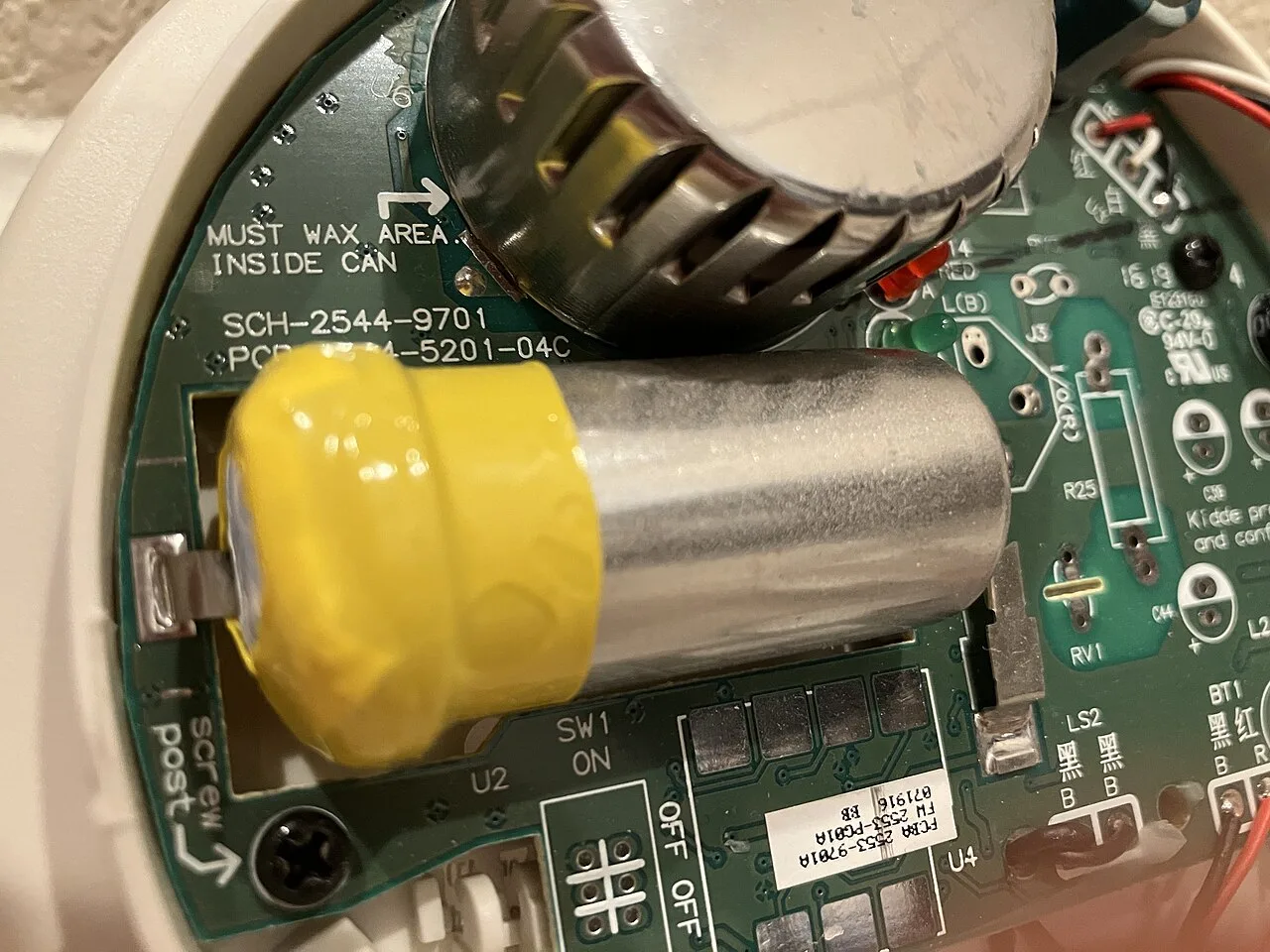
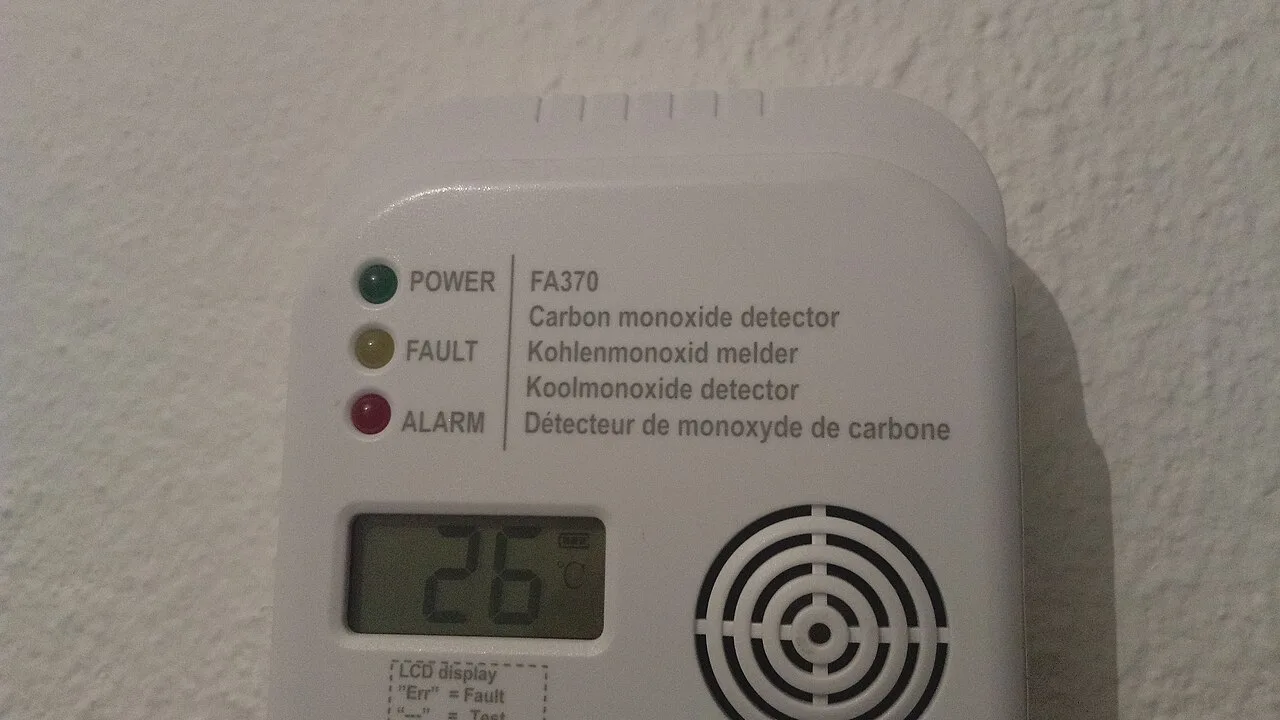
A carbon monoxide detector buried in a box was the source of a mysterious, intermittent beep. It was chirping its low battery warning, which is exactly what it is supposed to do. The problem was finding it.
A low battery chirp is a short beep that repeats at intervals.
Simon Willison solved it by triangulating the source with listeners spread around the room. He ran a Python web server, and any old device hanging around could join as a listener by scanning a QR code. The page used the Web Audio API, a browser feature that lets a web page read a device's microphone. With listeners spread around the room, the system zeroed in on the mystery beep. That is triangulation: working out where a sound came from using several listeners in different places.
"The culprit? An old carbon monoxide detector, buried in a box and emitting a low battery chirp."
The reusable part is not the beep. It is that Willison gave a coding agent ears. A coding agent is an AI program that can write and run code on its own. Instead of recording audio and handing it over by hand, the framework let the agent gather audio data on its own to refine and recalibrate its approach during development. The code is at github.com/simonw/beep-locator, and his own account is at simonwillison.net/2026/Nov/9/mysterious-beeps….
Whether timing across mismatched devices can reliably pin a sound to one box is not settled.