Fishing catches the bold fish first, and the shy ones are left to breed

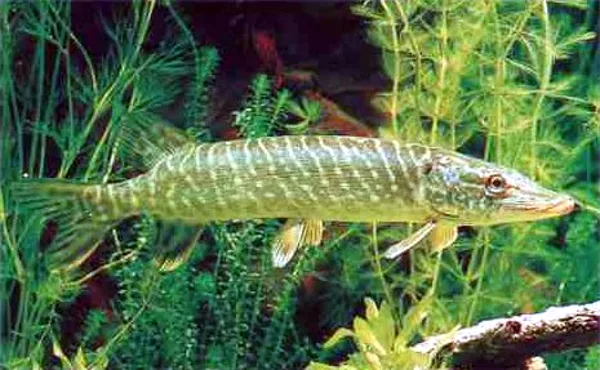
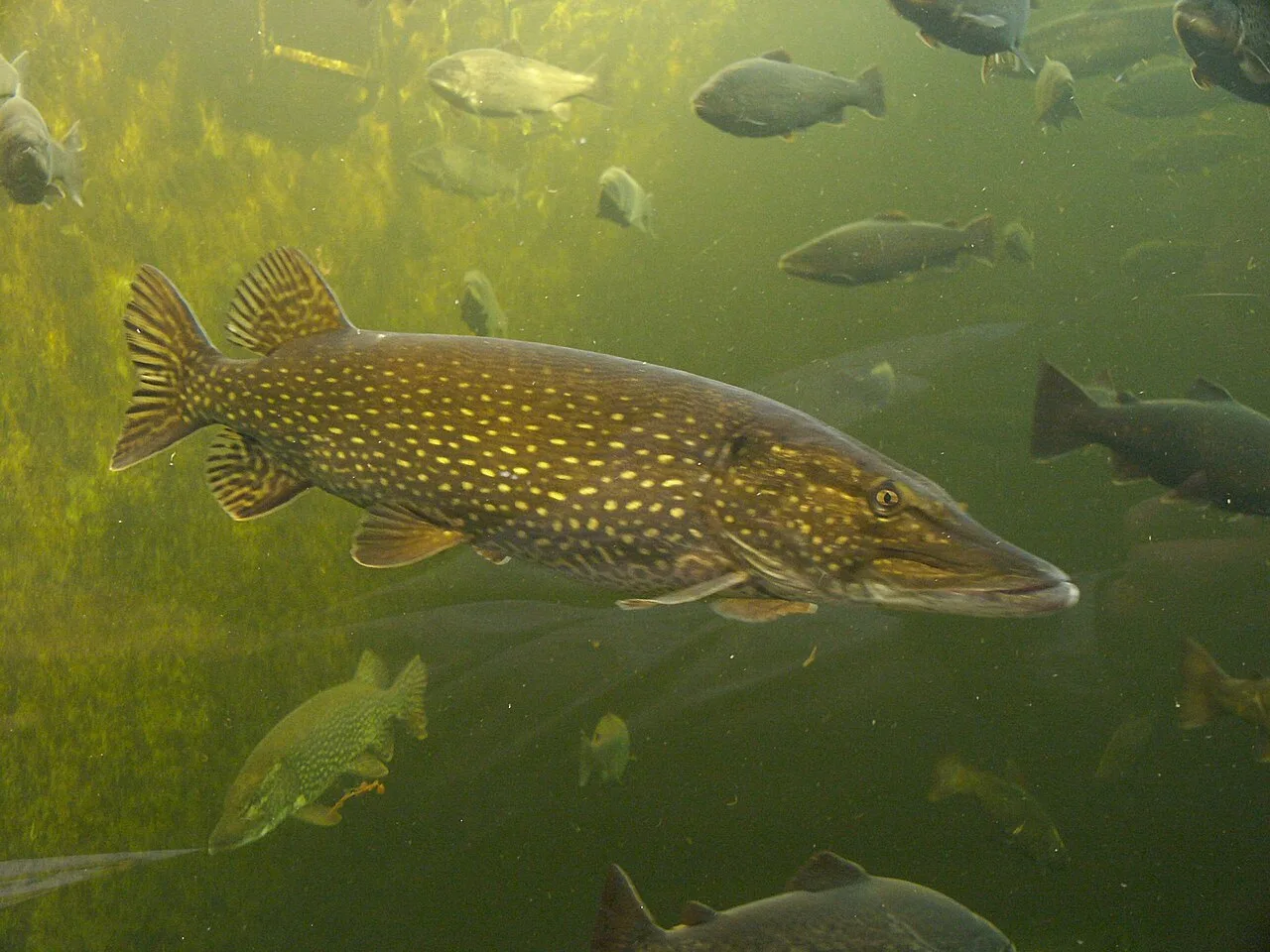
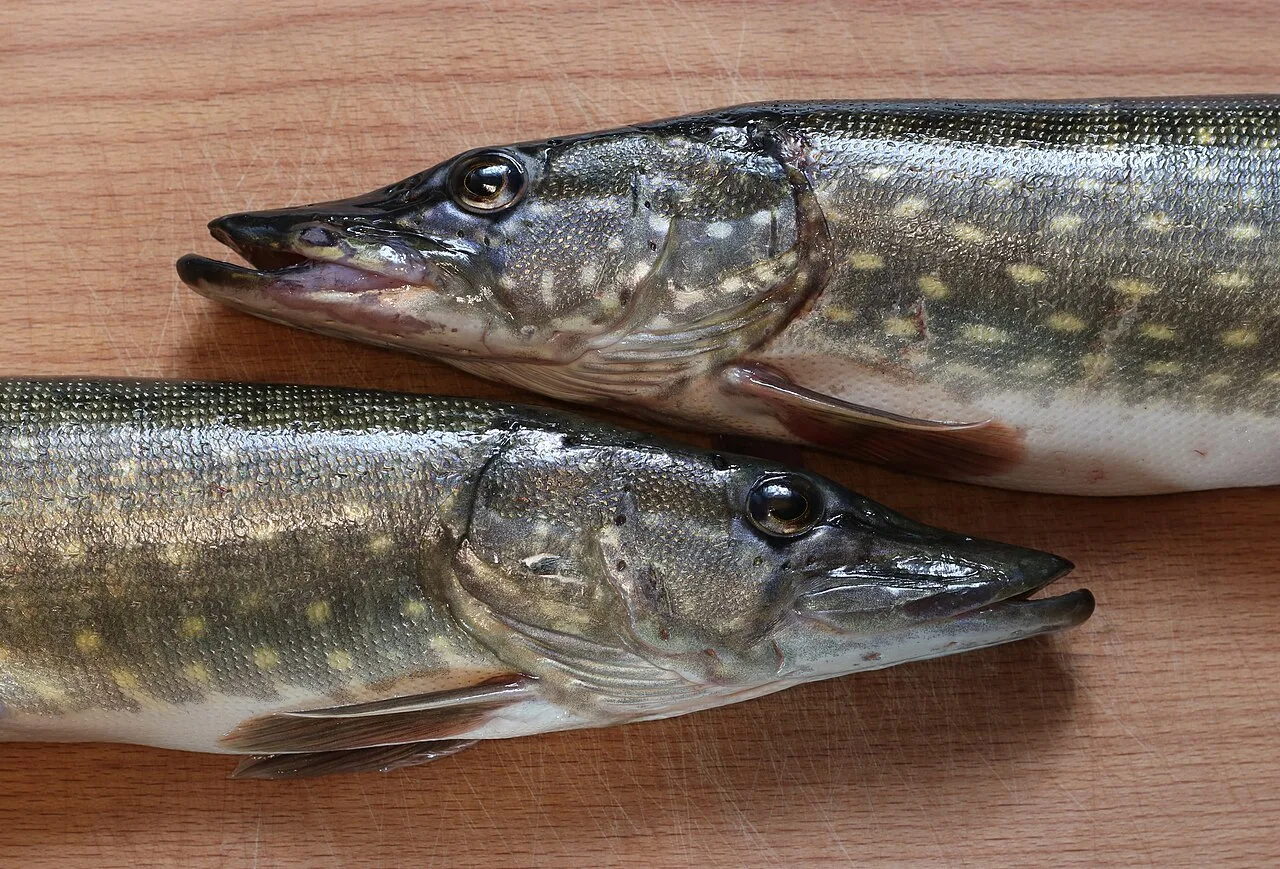
A heavily fished lake does not just hold fewer fish. It holds different ones. Two new review articles, one in Trends in Ecology & Evolution and one in Fish and Fisheries, both with contributors from the Leibniz Institute of Freshwater Ecology and Inland Fisheries in Berlin, argue that angling is a selective force on fish behaviour, and that it takes the bold, active fish out of the water first.
Start with the fact that fish have personalities. The technical term is behavioural type: a consistent individual difference, bold against shy, sociable against solitary, that holds up across time and situations. The cleanest demonstration is the Amazon molly, a small livebearing fish whose populations are all-female clones of their mothers. Genetically identical, raised under identical conditions, and the individuals still differ systematically in how they behave, juveniles included. Fish make up roughly half of all vertebrate species, so this is not a fringe curiosity.
Robert Arlinghaus, professor of integrative fisheries management at IGB and Humboldt Universität zu Berlin, frames human pressure as a selective force distinct from natural ones. His list: habitat alteration and disturbance, migration barriers, pollution, invasive species, escaped farmed fish, climate-driven shifts in ecological processes, and fishing that picks off particular traits. Earlier IGB work found that recreational angling removes mainly the bold and active carp and pike. As the reviews put it, "In heavily fished aquatic ecosystems, shyness can therefore be an evolutionary advantage and become established over generations." The consequence for a lake is not only fewer fish but fish that swim around less and take a lure less often.
The management problem is that we do not count fish. We count catches. Catch per unit effort, fish per hour of angling, is the standard stand-in for how many fish a water holds, because a whole stock cannot be censused. If the remaining fish are harder to catch, that number falls while the population is unchanged, and a manager reading a declining catch cannot tell the two apart. The reviews are here: phys.org/news/2026-11-humans-fish-be… and onlinelibrary.wiley.com/doi/10.1111/faf.70107
What the whole picture hinges on is how much of the shift is inherited and how much is a fish that has learned. A carp hooked once and wary of hooks afterwards is a learned response, and it should relax if fishing stops. A heritable shift in boldness would not relax. Separating the two means raising fish under identical conditions with no hook experience, and that experiment decides whether a change in a lake sticks or fades. Until it is run more often, the honest position is that both are probably happening at once, in unknown proportions, and catch records should be read with that in mind.