23 flightless birds became 1,600, and other near-misses

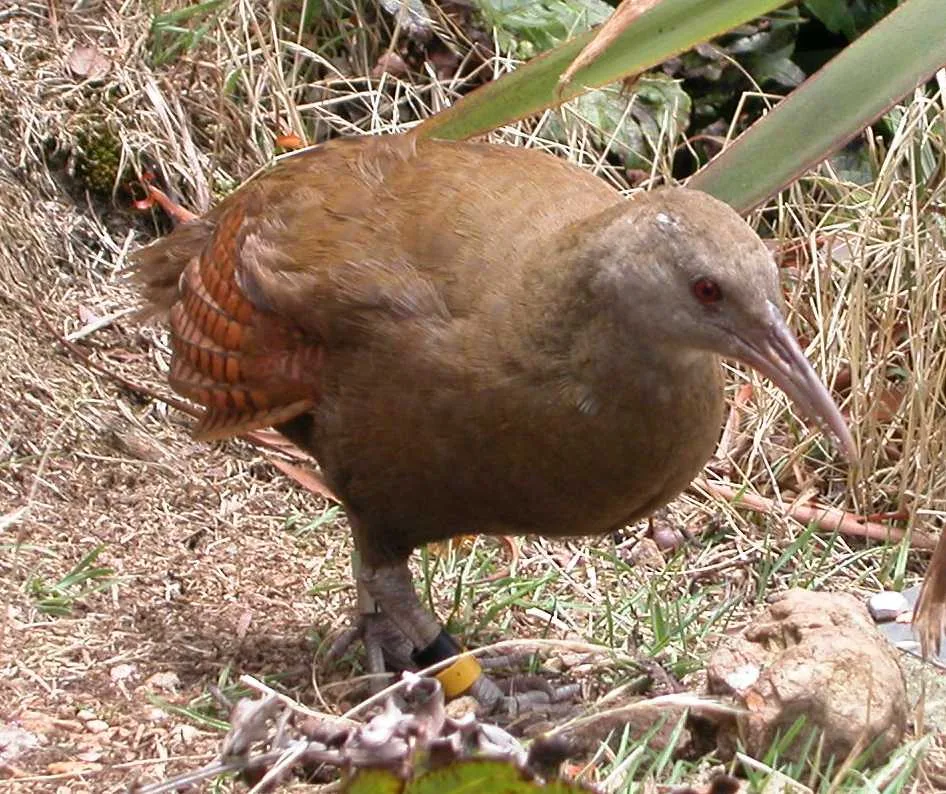
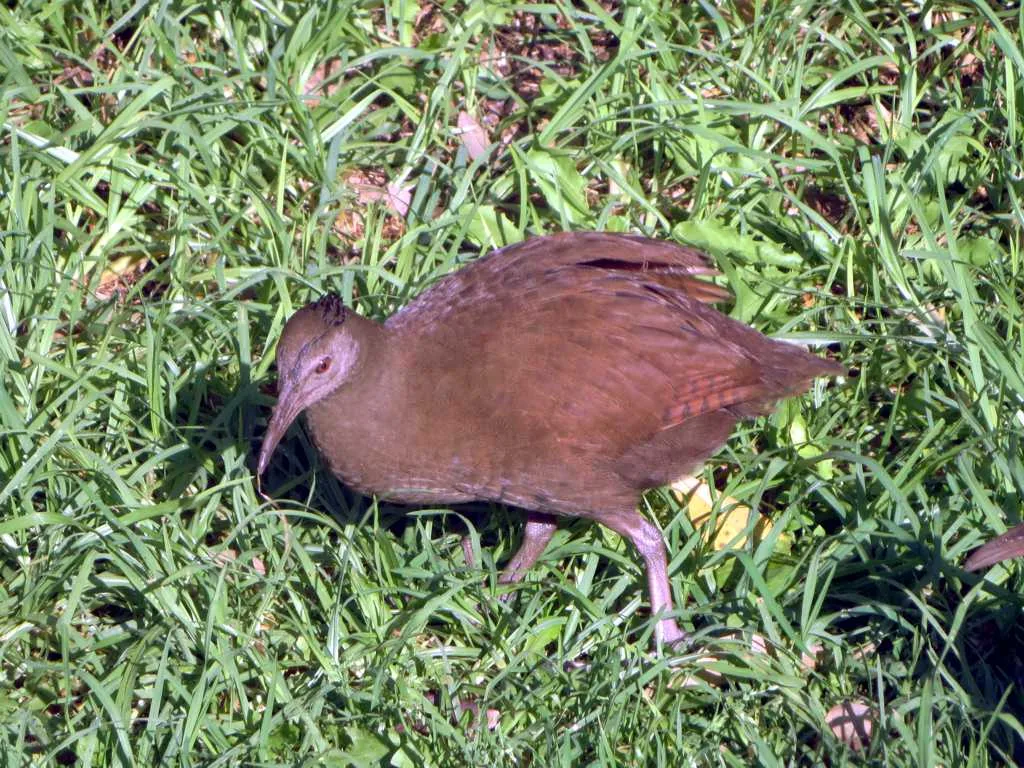
The Lord Howe woodhen is a bird that lives on one island off Australia. Today there are more than 1,600. That is the shape of the story a new review tells: a species on the very edge of existence, brought back by people who decided to act.
For decades, conservation has run on a rule of thumb that a population below a certain size is doomed anyway. The reasoning is genetic and statistical. A crash to a handful of individuals squeezes the gene pool through a narrow gap (a bottleneck), and inbreeding brings its own costs. Then there is plain bad luck: a small population can be lost to a single bad season or a single outbreak of disease. Given that, it can look rational to write off the hopeless cases and spend the money elsewhere, which the researchers call triage.
The new study, in Proceedings of the Royal Society B, tested that assumption against the historical record. Donal Smith and colleagues at Monash University and the Zoological Society of London reviewed every bird and mammal species known to have fallen below 50 wild individuals since 1950, and evaluated 141 with histories documented well enough to score. They then compared the species that received direct conservation action, such as predator control, habitat restoration, captive breeding or moving animals to a new site (translocation), with those that did not. Of the 51 species that got direct help, 61% climbed back to at least 100 individuals. Of those that got no direct support, 37% went extinct and just 2% reached 100.
Smith puts the case plainly: "Our work shows that population size alone shouldn't determine whether we give up on a species. When we actively tackle the external pressures driving their decline and directly support their numbers, small populations show a striking capability to recover." The mechanism is not mysterious. A small number is a symptom of whatever is killing the animals, not the disease itself. Control the invasive predators, restore the habitat, move the animals to a safer site, and smallness stops being fatal.
The caveat is built into the dataset. Those 141 species are the ones with records good enough to score, which may tilt toward species that were already being documented. Whether the pattern holds for small populations with thin paper trails is open, and so is the question of whether recovered species stay recovered once the management stops. The paper is at royalsocietypublishing.org/rspb/article/293/2082/20262… and the DOI is dx.doi.org/10.1098/rspb.2026.2436.