A gold ring found in a York field says 'stay faithful, keep loving me, don't lose your temper'

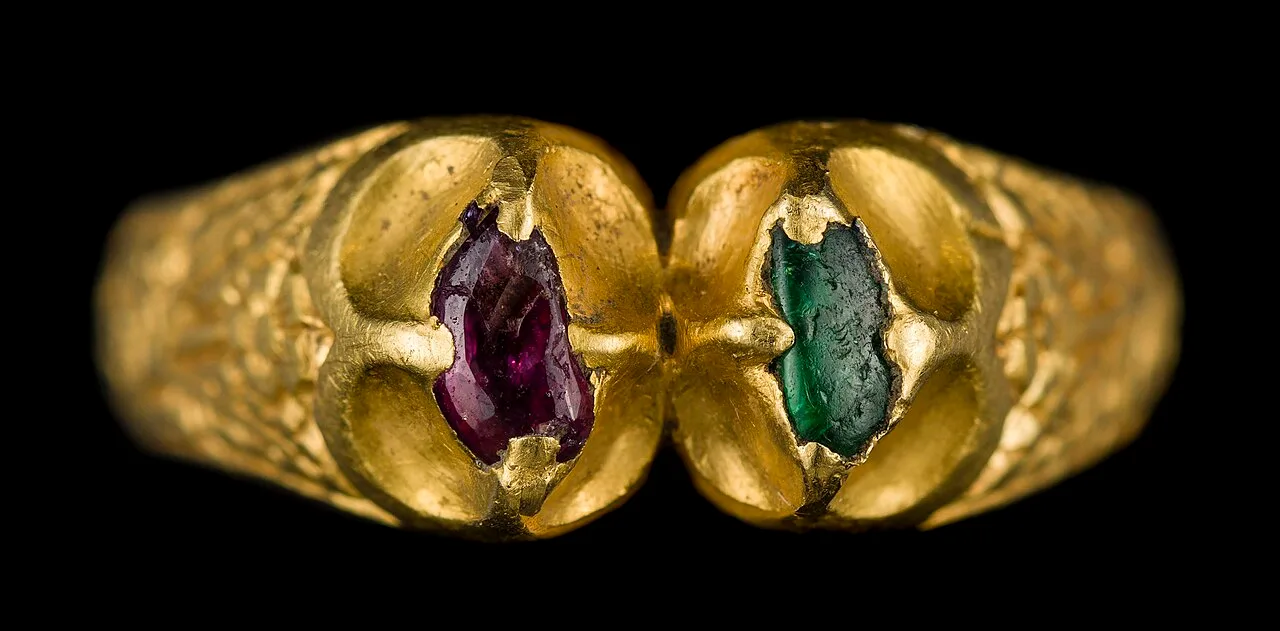
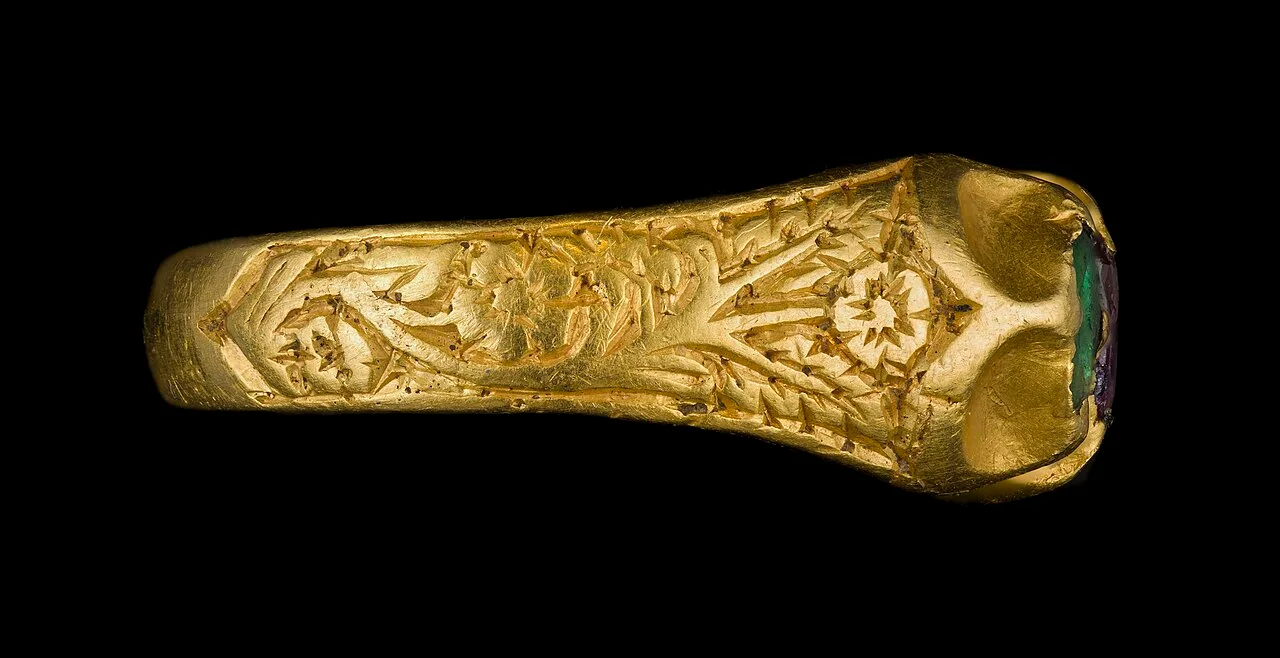
A metal detectorist found a gold ring in the ground at Fulford, just outside York, in December 2016. What came up was a complete gold ring from the 1400s, with an emerald on one side and a ruby on the other, set face to face in one double setting. The Yorkshire Museum's own record calls it probably a love token or a betrothal ring, a formal promise to marry. The reason to believe that is the stones. Medieval lapidaries (books listing what each gemstone was good for, a mix of medicine, religion and folklore rather than chemistry) gave emeralds to chastity and rubies to love and to heading off anger. The record puts it drily: those "may have been important qualities in a medieval relationship": finds.org.uk/database/artefacts/record/i…
Two stones in one setting, then, read together like a short set of instructions for a marriage. Stay faithful. Keep loving me. Don't lose your temper. That reading only works if the wearer knew the code, and the lapidaries suggest people did.
It is a beautifully made small thing. The hoop is 15.6 mm across inside and the whole ring weighs 4.42 g. Both sides of the band carry floriate, chip-carved decoration, and the grooves were originally filled with niello, a black metal inlay. X-ray fluorescence read the metal (roughly 76 to 79% gold, 12 to 15% silver, the rest copper) and Raman spectroscopy, which identifies a stone from the way it scatters light, confirmed the emerald and ruby.
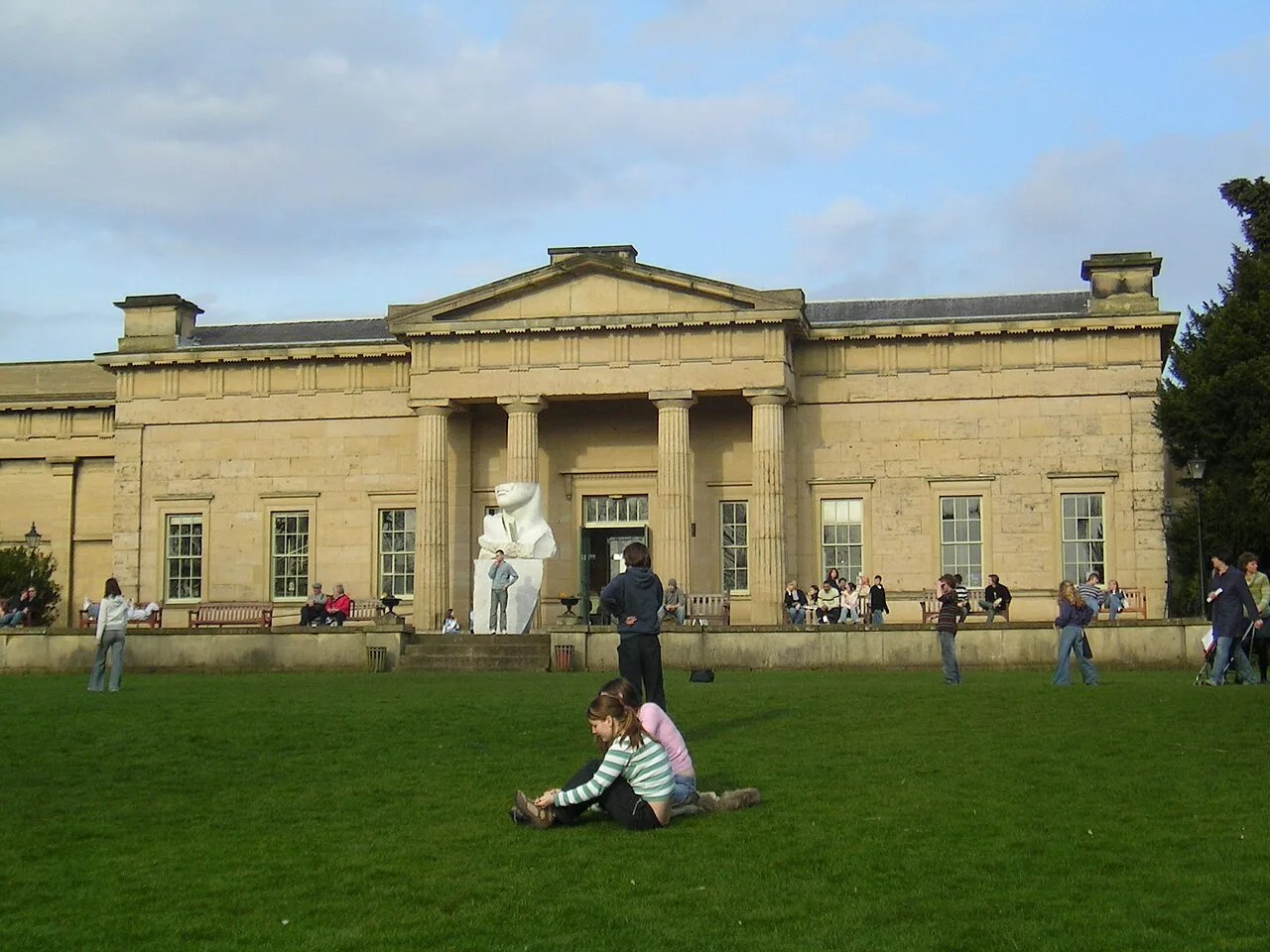
York Museums Trust bought it in 2019 for £20,000, with money from the Headley Museums Archaeological Acquisition Fund, the Arts Council England/V&A Purchase Grant Fund and public donations, and it went on display at the Yorkshire Museum that September: yorkmix.com/buried-in-fulford-for-500-y…
Betrothal ring or very good love token? There is no inscription and no documented owner, so the gemstone meanings are a strong reading from books rather than a fact written on the ring. I'll take the reading anyway. Somebody chose those two stones, and somebody wore it until it ended up in the ground at Fulford.