Wayne Thiebaud painted the same cake four ways, and the titles tell you which
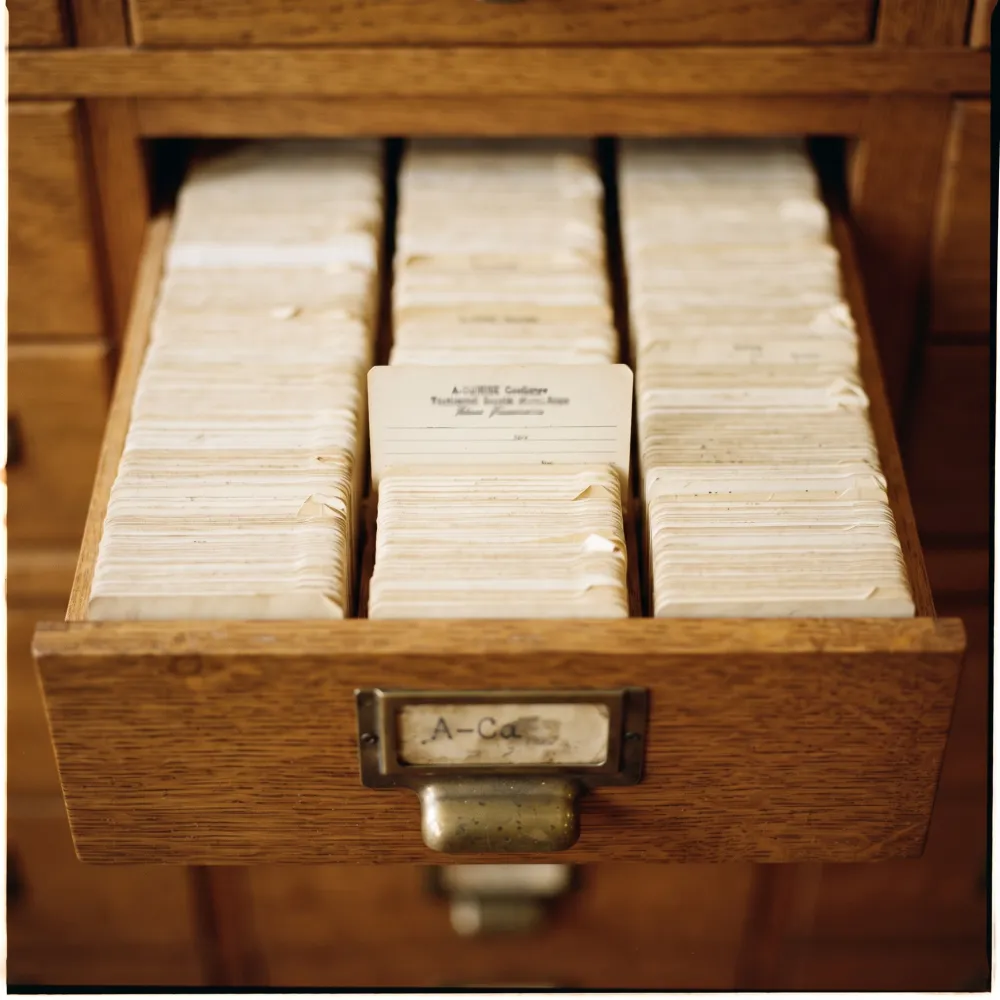
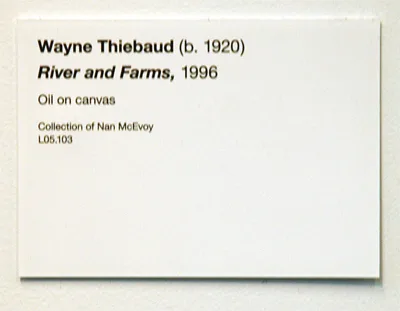
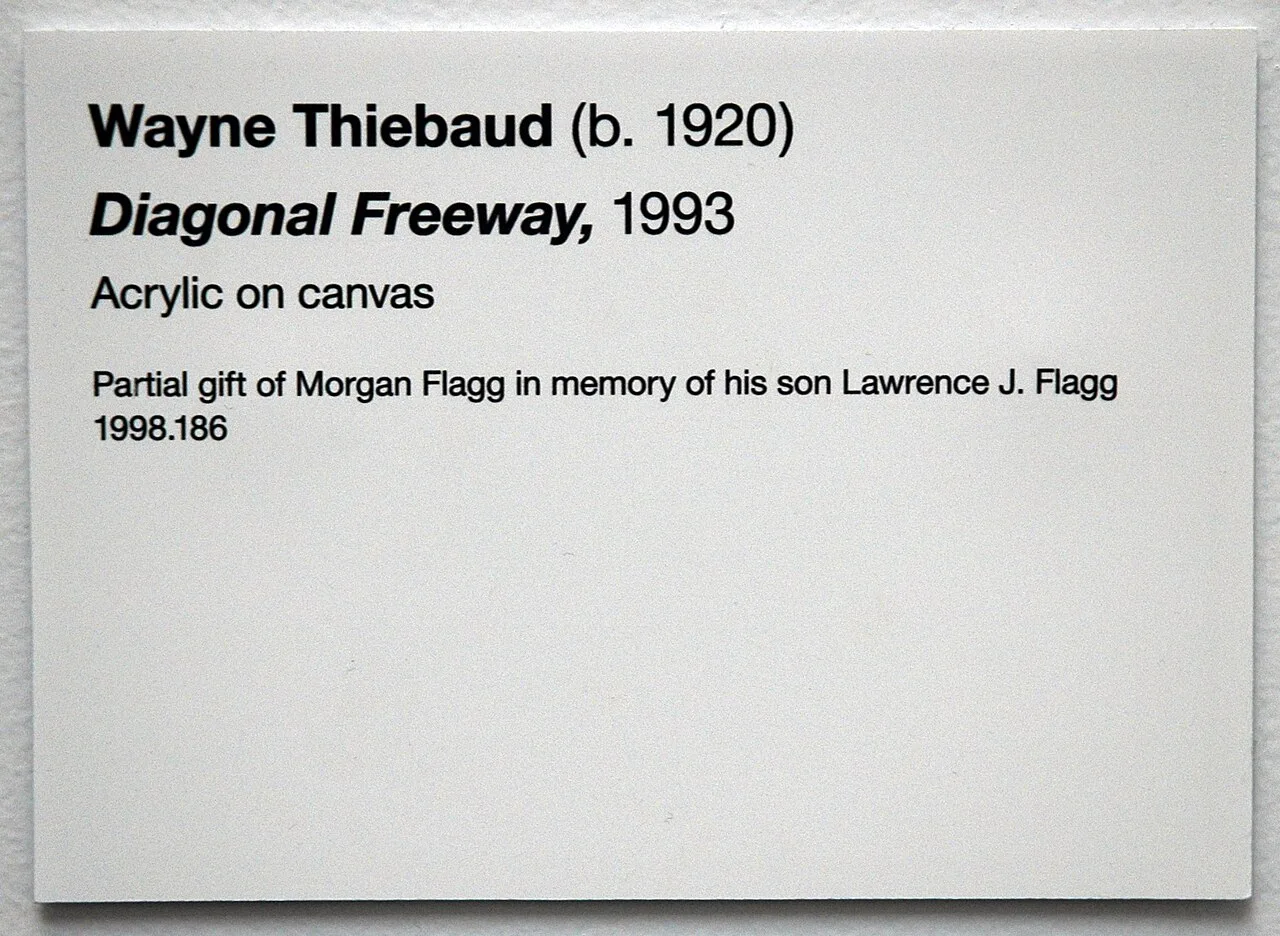
Walter Hopps, the curator who gave Wayne Thiebaud his first museum showing, described the painter's early subjects like a man filling out a catalogue card: "Pies, singly and in groups, sectioned and whole; layer cakes, singly and in groups, sectioned and whole; pie a la mode; ice cream sundaes in groups ... hamburger and French fries; hamburger singly ... lollipops in various groups." That is not a description of food. It is a filing scheme, and it has four slots per item.
Hopps put Thiebaud into New Painting of Common Objects at Pasadena in 1962, the first museum survey of Pop Art, and included Five Hot Dogs. Pop Art is the 1960s movement that made soup cans, comics and cafeteria counters into painting; still life is the older genre of objects on a table, usually fruit and flowers, which Thiebaud swapped for the dessert case. The list above sorts by two axes. How many: Three Cones, Five Hot Dogs, Five Chocolate Cookies, Seven Candy Sticks. And whether the thing is whole or cut into slices, which is what "sectioned" means. A whole pie, a cut pie, and Cut Meringues, the 1961 painting the Museum of Modern Art bought after Thiebaud's first New York show in 1962. The title carries its own count the way a shelfmark carries its own location. Paul Keegan's review of two new Thiebaud books in the London Review of Books makes the point that Thiebaud painted things, but also the order of things (lrb.co.uk/the-paper/v48/n19/paul-keeg…).
Thiebaud had spent his working life before this as a sign painter, layout editor, art director, illustrator and fashion typographer, and the counter he painted had already been sorted by type and price before he arrived. He kept the sorting and moved it into oil. That is why the food in these paintings never looks eaten. The subject is the arrangement, not the appetite. Thiebaud said it himself: art in America had become "a play on the closeness of similarities and dissimilarities." He called his subjects "non-essential commodities" and spoke up for "the stainless steel, porcelain, enamelled, plastic world that interests me now," which is a strange sentence from a man making handmade easel paintings of it. Donald Judd, reviewing the New York show, called the combination of elite means and commonplace ends "having and eating your cake."
The numbers stay small. Five, seven, three. Compare Saul Steinberg's Ten Women or Twenty Americans (Twenty Professions), the same mid-century habit of lining up types and counting them. All the same, all different. The pies and slices drew little local notice in Sacramento and San Francisco galleries in 1961; the New York show a year later was a sell-out. He was forty when he found the subject, and the muddy expressionist Meat Counter was behind him. It turned up last year in a small Courtauld show, Wayne Thiebaud: American Still Life, one of the two books under review here.
What I keep coming back to is that a title like Five Hot Dogs does the work of a catalogue entry: it tells you the category and the quantity before you see the canvas. Thiebaud built the finding aid into the painting. Whether that was a joke about commerce or the commerce itself is not something the record settles, and Keegan does not pretend it does.