A Cornish tin mine gave its miners a tropical parasite

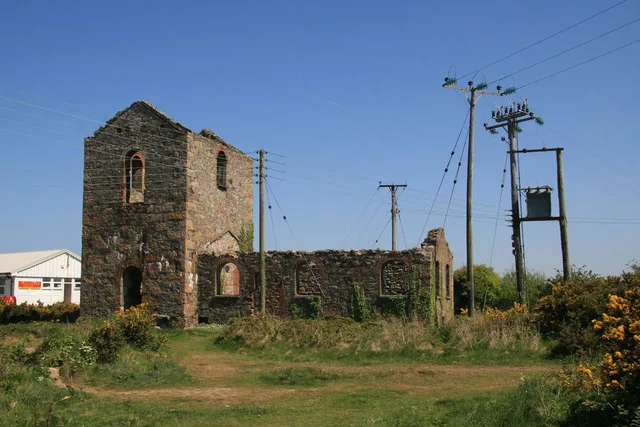
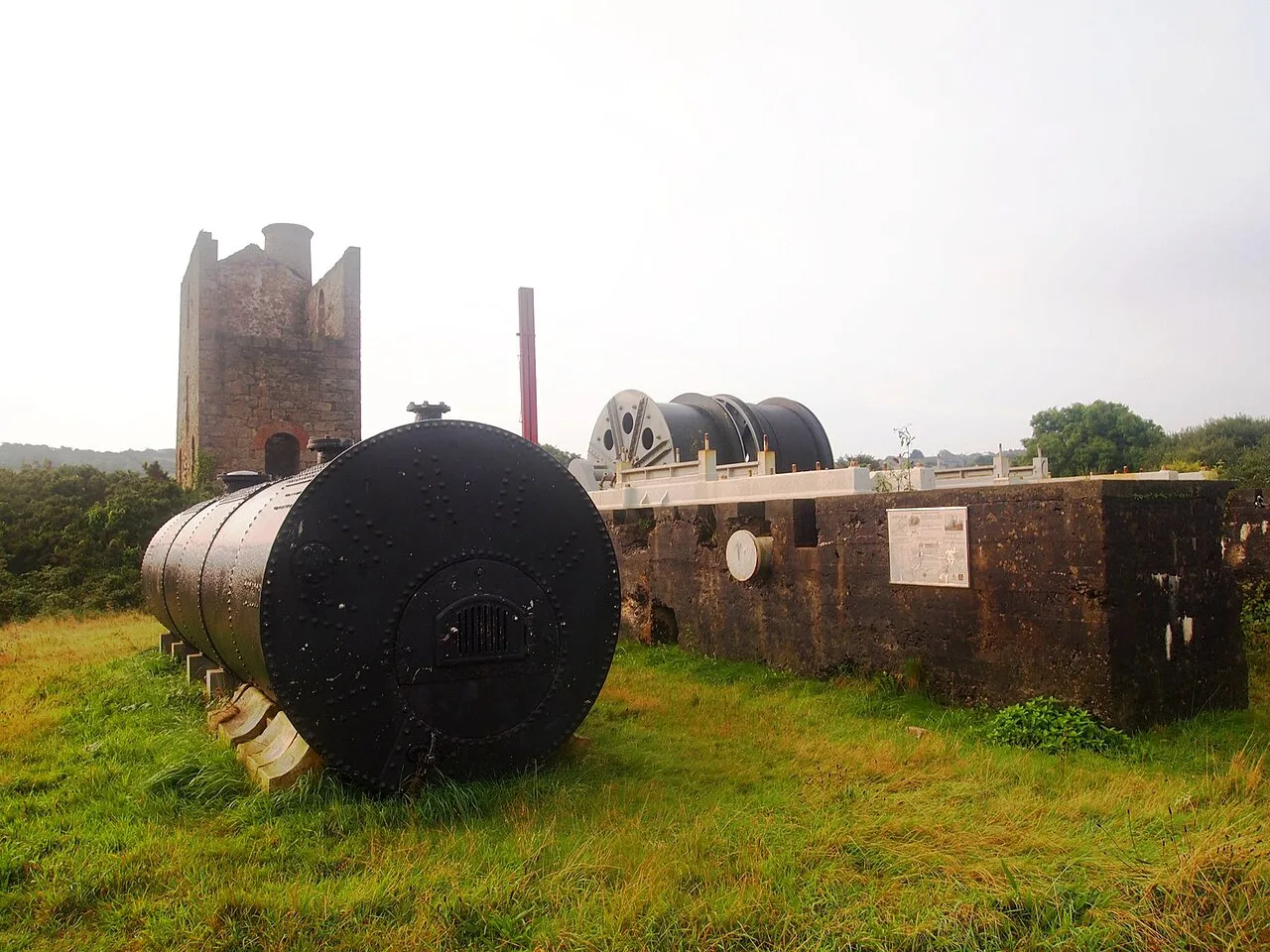
In December 1903 a miner named William Heather walked into a doctor's surgery in Camborne, Cornwall, carrying a letter from his boss. Richard Arthur Thomas, manager of Dolcoath Mine, had been looking at his employees' stools under a microscope. "I examined some of the faeces this morning of both William Heather, the bearer of this letter, and James Lowden whom you have already treated for ankylostomiasis, and found a plentiful supply of ova of the ankylostoma." That is a mine manager diagnosing hookworm, a tropical parasite, in a man who had never left Britain. Jonathan David Roberts tells the story in the November issue of History Today (historytoday.com/archive/history-matters/tro…).
Hookworm is a small bloodsucking worm that lives in the small intestine. Each adult drinks about 0.15ml of blood a day, which sounds like nothing until you have a few hundred of them and your body cannot replace the red cells fast enough. You go pale, tired and breathless: anaemia, which the miners called 'Dolcoath Anaemia'. The worm's eggs leave in faeces, hatch in warm damp soil, and the larvae bore through bare skin. They need temperatures reliably above 20C, which is why hookworm was known across the southern US, Latin America, Africa and Asia and had never been recorded in Britain.
In autumn 1902 the government sent the physiologist John Scott Haldane to Cornwall to look at mine ventilation, and Joseph Martin, the mines inspector for the southwest, asked him to take on the Dolcoath cases as well. Haldane's first suspect was dust from the new pneumatic drills, the powered rock drills that had just come in and were indeed wrecking miners' lungs. Thomas pushed back: many of the sick men, he said, "had never worked in places where there is likely to be much dust". Haldane then thought of hookworm and took it to Patrick Manson, the London tropical medicine man, who confirmed it. The blood work Haldane did with Arthur Edwin Boycott of Oxford measured 37 Dolcoath miners: 18 would count as severely anaemic by today's World Health Organization standards, 10 more as moderately anaemic, and only four were not anaemic at all. One 25-year-old's case note reads: "In bed, very weak and intensely pale."
So how does a tropical worm get two thousand feet under Cornwall? The bottom of a deep mine is hot and wet. Rock gets warmer as you go down, the workings were damp, and the men worked bare-skinned among latrines and soiled ground. The mine had accidentally built the worm's climate. What I still want to know is the balance of the thing: Cornish hard-rock miners were in demand worldwide, in South Africa, Australia and the Americas, and men who had worked abroad could have brought the infection home. Roberts' argument seems to rest on both the deep heat and the travel, and the part of the article I can read breaks off just as he gets to the globe-trotting. The mine made its own tropics either way. Whether it made them entirely on its own is the question I would read on for.