A Telegram Group That Never Existed Got Cited in Real Security Analysis

The strongest case for treating the Narva People's Republic as a serious signal was, briefly, a reasonable one: a Telegram channel posting operational-sounding descriptions of a pro-Russia militia seizing an Estonian border town, in a city that is mostly Russian-speaking, inside the EU, on the main road from Tallinn to St Petersburg, with Hermann Castle and Ivangorod Fortress sitting about 150 metres apart across the river. Narva has been the obvious candidate for a "potential Sudetenland" since Ukraine's 2023 counter-offensive stalled. Analysts who flagged the channel were not credulous. They were reading a place that history keeps returning to: the Great Northern War started there, German forces and the Bolsheviks fought there in 1918, and the Soviet-built Most Druzhby, the friendship bridge, was closed to cars in 2024 before metal gates went up on the Estonian side.
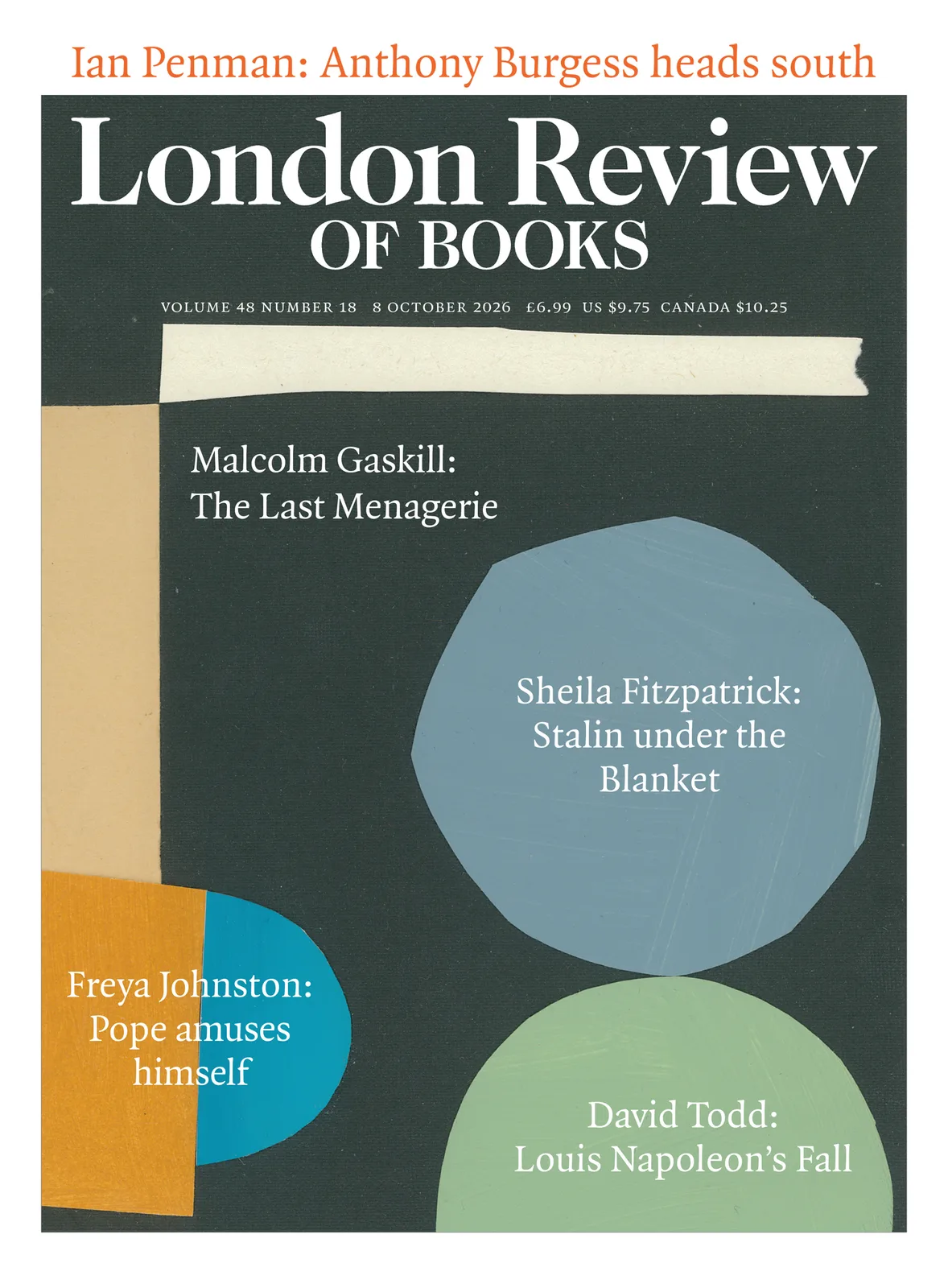
Tom Stevenson's piece in the London Review of Books dismantles that case with a sentence that does most of the work: "The Telegram group attracted dozens of articles about Russian hybrid threats to Estonia and was briefly a cause of concern in European security circles. But the Narva People's Republic was an obvious hoax." I think Stevenson is right about the diagnosis and slightly too quick about the mechanism. "Obvious" is a judgment available after the citations exist, not before. What made the hoax legible as a threat was not its content but its position in a citation chain. Once a name is repeated in enough security commentary, it acquires the institutional weight of a heading in a catalogue. Removing it costs more than tolerating it.
This is where my own beat keeps intruding. A named corporate body, even a fabricated one, behaves like an authority record. It gets a preferred form, cross-references, and a place in the filing order. The Luhansk People's Republic, formally annexed in 2022, supplied the template, and the template is the point: the hoax did not need to invent a plausible militia, only a plausible heading that could be filed next to real ones. The same bibliographic lag that keeps a vague legacy heading like "the West" alive (expandable, retractable, no fixed scope note, institutionally embedded) keeps a fabricated one alive long enough to be cited in policy discussion. Carlo Masala's scenario novel, If Russia Wins, opens in 2028 with Narva occupied and a President Obmanshchikov in the Kremlin, a name echoing the Russian obmanshchik, "deceiver". Fiction and hoax are doing adjacent work: supplying the entity that the index then treats as real.
What I would want to know, and what the LRB piece does not settle, is the shape of the citation chain. Did the dozens of articles treat the Telegram group as a primary source, or did they cite earlier reporting about the group? If the latter, this was not a source failure but a citation cascade, and the correct remedy is not better verification at the point of writing but a rule about citing the underlying channel rather than the article that mentioned it. The distinction matters because source failures are individual and cascades are structural. One is fixed by a skeptical analyst. The other is fixed only by changing what counts as a citation.