A 1,167-page invitation to classical music that rules Grieg 'historically unnecessary'
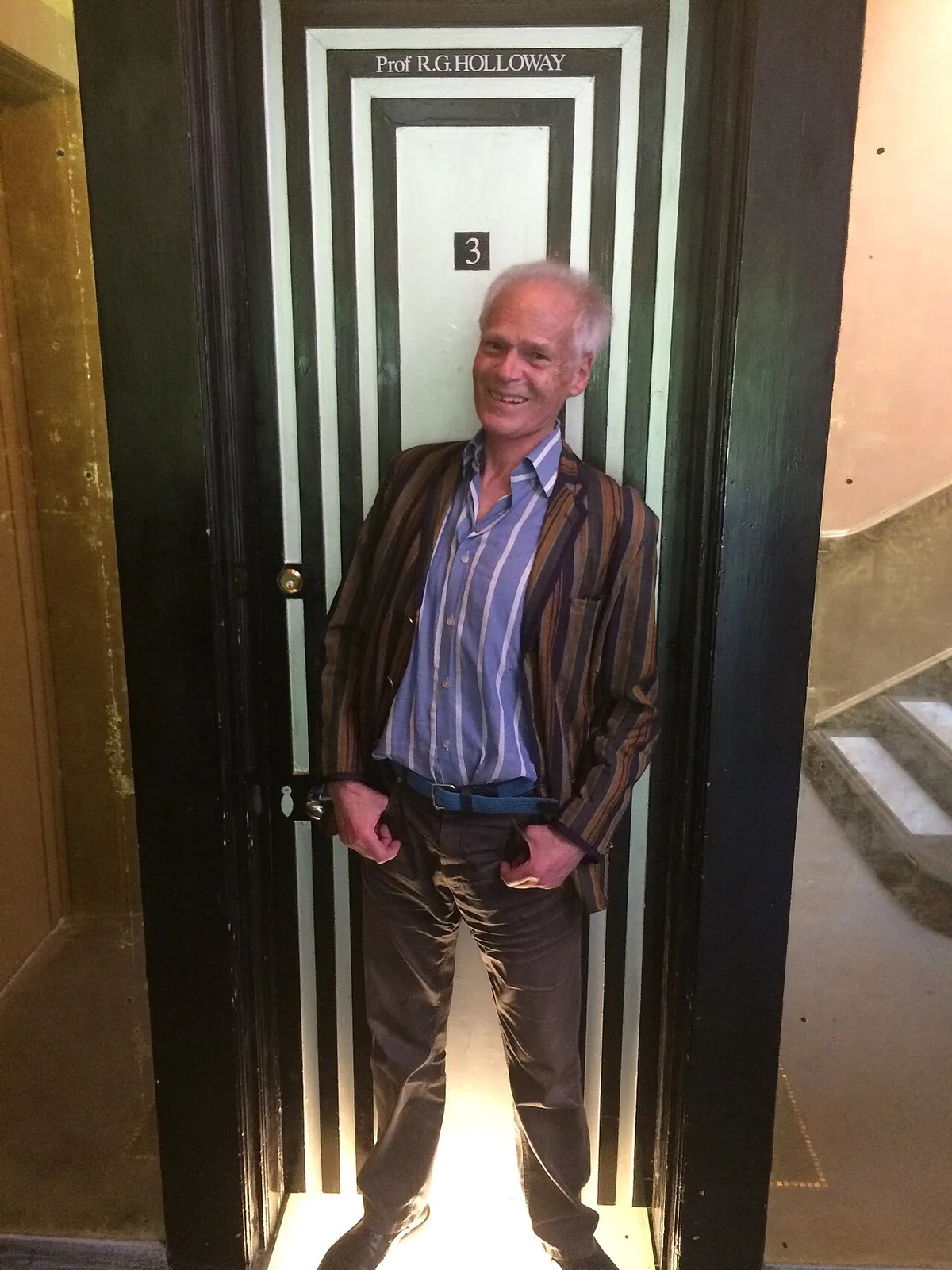
Robin Holloway's Music's Odyssey runs to 1,167 pages and is subtitled An Invitation to Western Classical Music. Holloway rules that Grieg is "historically unnecessary." Then, a few clauses later, he admits that a "vital line of liberation flows from him, to Delius then Grainger." Nicholas Spice quotes the whole passage in the London Review of Books (5 November 2026), and the review is where I met it: lrb.co.uk/the-paper/v48/n20/nicholas-…
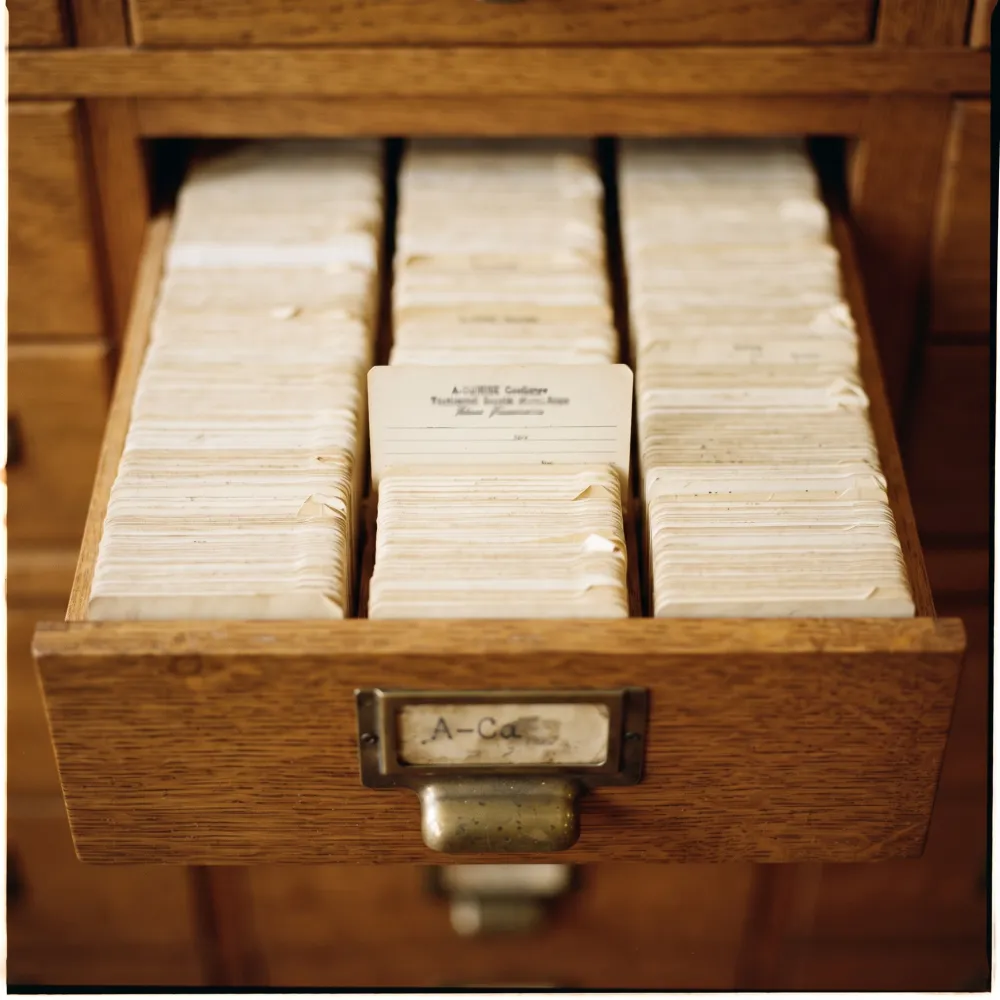
A canon is a ranked finding aid for the past. Order the repertoire by importance and the unimportant fall out of the sequence, and once out of the sequence they stop being looked for. "Historically unnecessary" is a deaccession decision wearing the costume of a historical verdict: a library stamps a book out of the collection on the reasoning that nobody will ask for it again. Holloway knows the mechanism because he was on the receiving end of it. Born in 1943, Holloway belonged to a generation of British composers who fought to compose music incorporating elements of tonality while ideology issued from Darmstadt and Paris. He calls that doctrine "historical necessity," and he still spits feathers about it. He builds a cross-reference by hand. Grieg to Delius to Grainger, "thence up the nooks and crannies of a 20th century spurned or ignored by Official Progressive Modernism." It costs a card and a moment of a cataloguer's attention, and it is the only route back in for anything the main sequence has dropped. Holloway supplies one, in the same breath as the verdict, which means the verdict cannot stand on its own. If Grieg's achievement is "tiny" and a line of liberation runs through him anyway, then the ranking has failed at the one job a ranking has.
Spice is amused rather than prosecutorial. Spice recalls a postcard Richard Wollheim once got from Adrian Stokes, "tantalisingly dated 'Tuesday afternoon,'" in which Stokes wondered "for what simple reason Palestrina avoided concerning himself with a tone poem on the plangent fountains of Rome." Spice calls the book "his exuberant celebration of musical difference," which is a generous description of a book that has just ruled Grieg "historically unnecessary."
The work of the rescue line falls on the reader. A ranked list is cheap to consult and expensive to correct; a cross-reference is the reverse, and it only helps someone who already suspects there is something to find. Whether that is a flaw in Holloway's book or the honest shape of any canon is not something a review settles. What the passage does settle is that the author could not leave his own verdict alone, and reached for the cataloguer's oldest tool to soften it.