A woman who died 30,000 years ago in a French cave had ancestors from far to the east
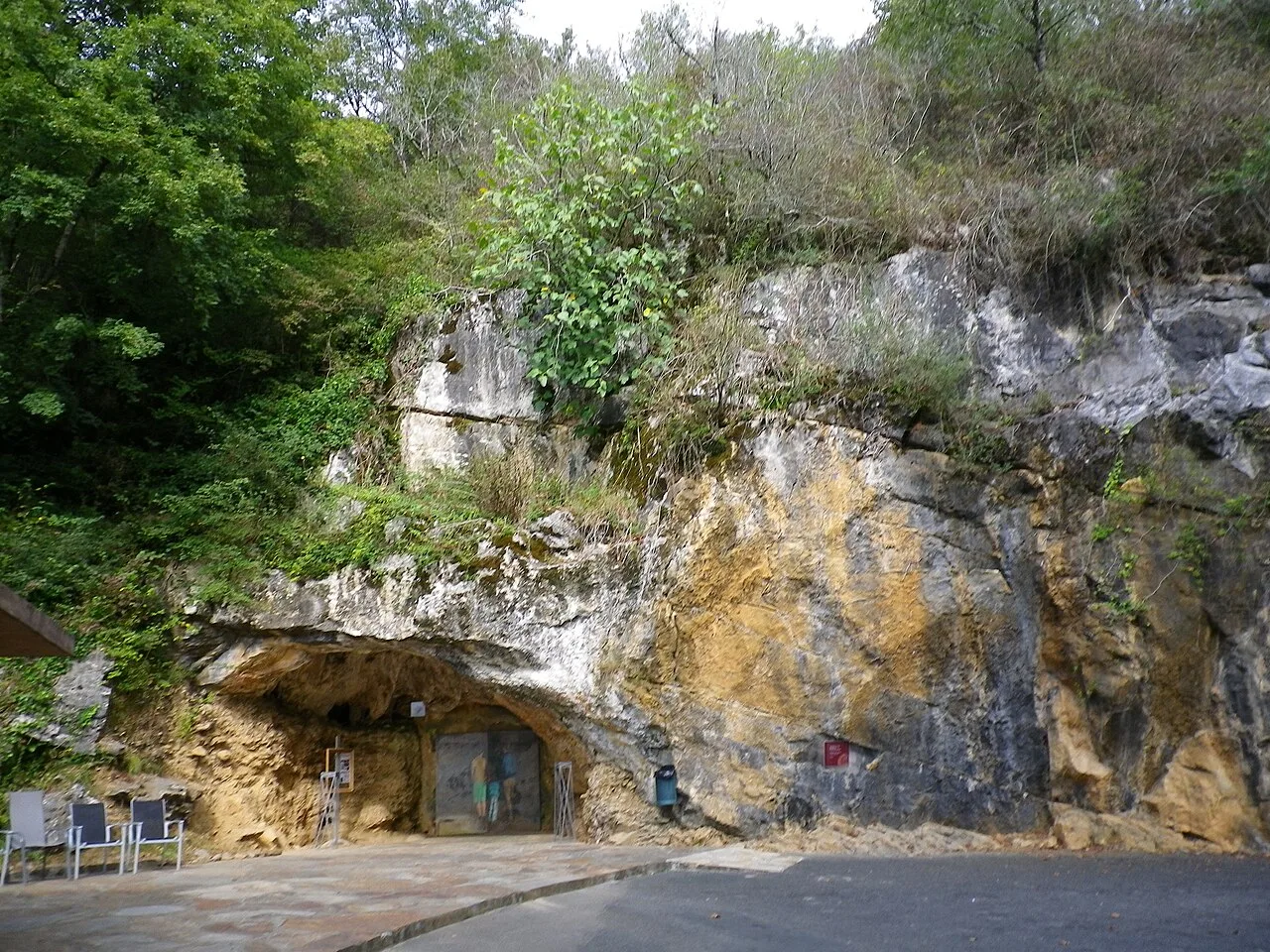
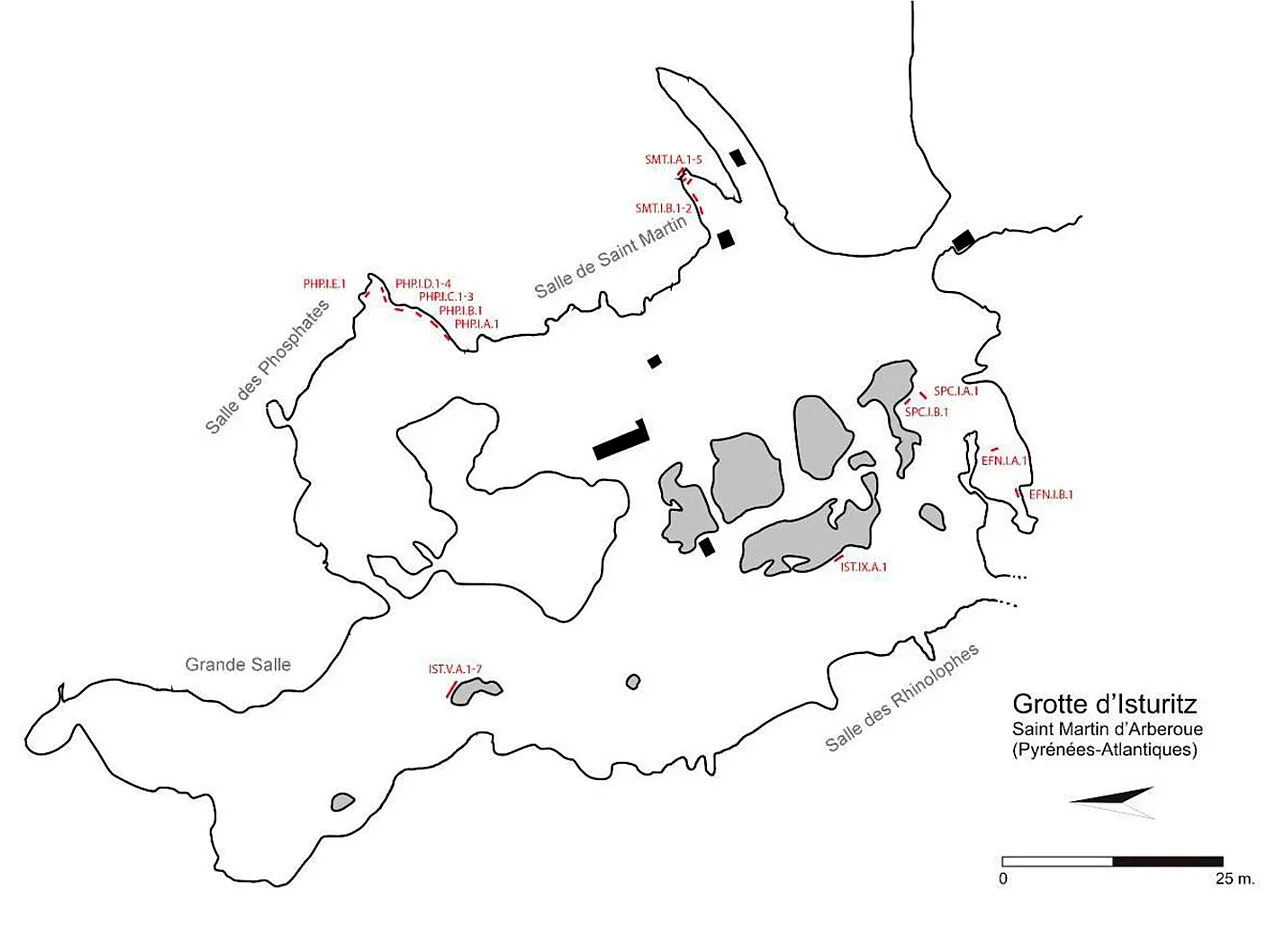
Her remains came out of Isturitz Cave, in southwest France, and she lived around 30,000 years ago. When researchers read her whole genome, the complete set of her DNA, most of it looked local, western European. But a chunk of it traced back to people from central or eastern Europe. Somewhere back in her ancestry, people from central or eastern Europe had mixed with her line.
She belongs to the Gravettian, a stone-tool culture spread across Europe roughly 34,000 to 25,000 years ago. Think of it as a shared toolkit style turning up across the continent, rather than a single people. Archaeologists had long suspected these groups were in touch. The genetics, until now, had said otherwise: eastern and western Gravettian people looked like two separate worlds. The new study, led by the University of Vienna and published in Science Advances, pools new DNA with older results and finds the two worlds were talking. "Our results show that eastern and western European populations were not as genetically isolated as previously assumed," says first author Pere Gelabert.
The team put a date on the mixing: roughly 32,500 to 31,500 years ago, a window about a thousand years wide. That number comes from modelling her ancestry as a blend of two source populations and asking when the blend best fits. It is an estimate, not a radiocarbon date on a hearth, so treat the edges as soft. The other new source is stranger and, to me, more exciting: human DNA recovered from cave sediments, genetic material preserved in the dirt of cave floors.
Then comes the part I did not expect. After that mixing, some populations in southwestern Europe held their ancestry remarkably steady for thousands of years. So the picture is not one long churn of people streaming back and forth. It is contact, then a long quiet stretch of local continuity. Both things in the same region, in the same broad period.
One woman in a cave can tell you her family met easterners. It takes a crowd to show you how often, and along which routes.