A Siberian tomb held 1,000 cannabis seeds, and the buried Scythians' hair still shows they got high
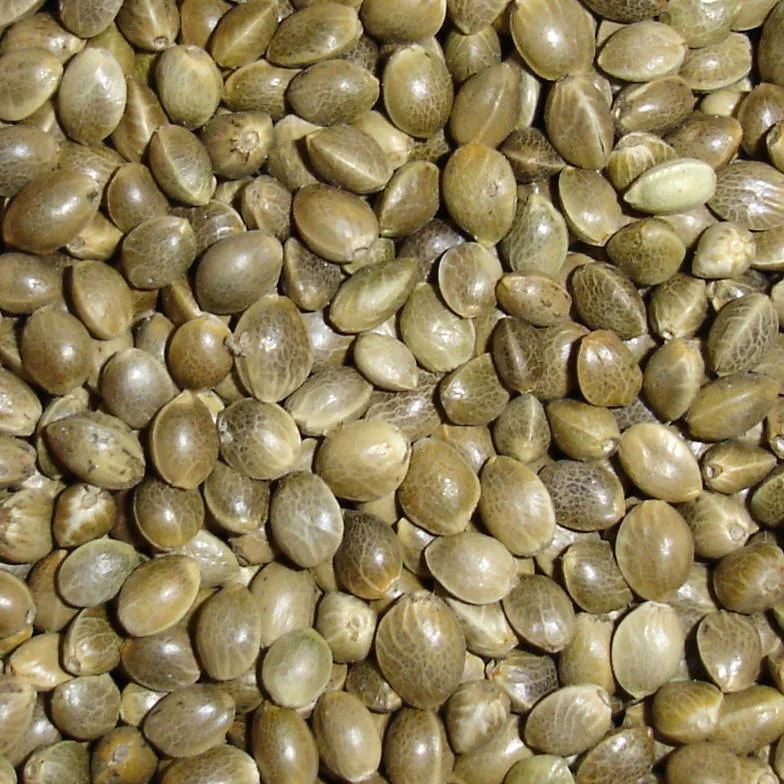
A tomb in southern Siberia holds about a thousand cannabis seeds, deposited in the early eighth century B.C. Hair from the people buried in its central chamber still carries chemical traces of the plant. Together they make the oldest directly dated evidence that people used cannabis to get high, roughly 2,800 years ago, reported today by a team led by Gino Caspari of the University of Bern and the Max Planck Institute of Geoanthropology (mediarelations.unibe.ch/media_releases/2026/media_r…).
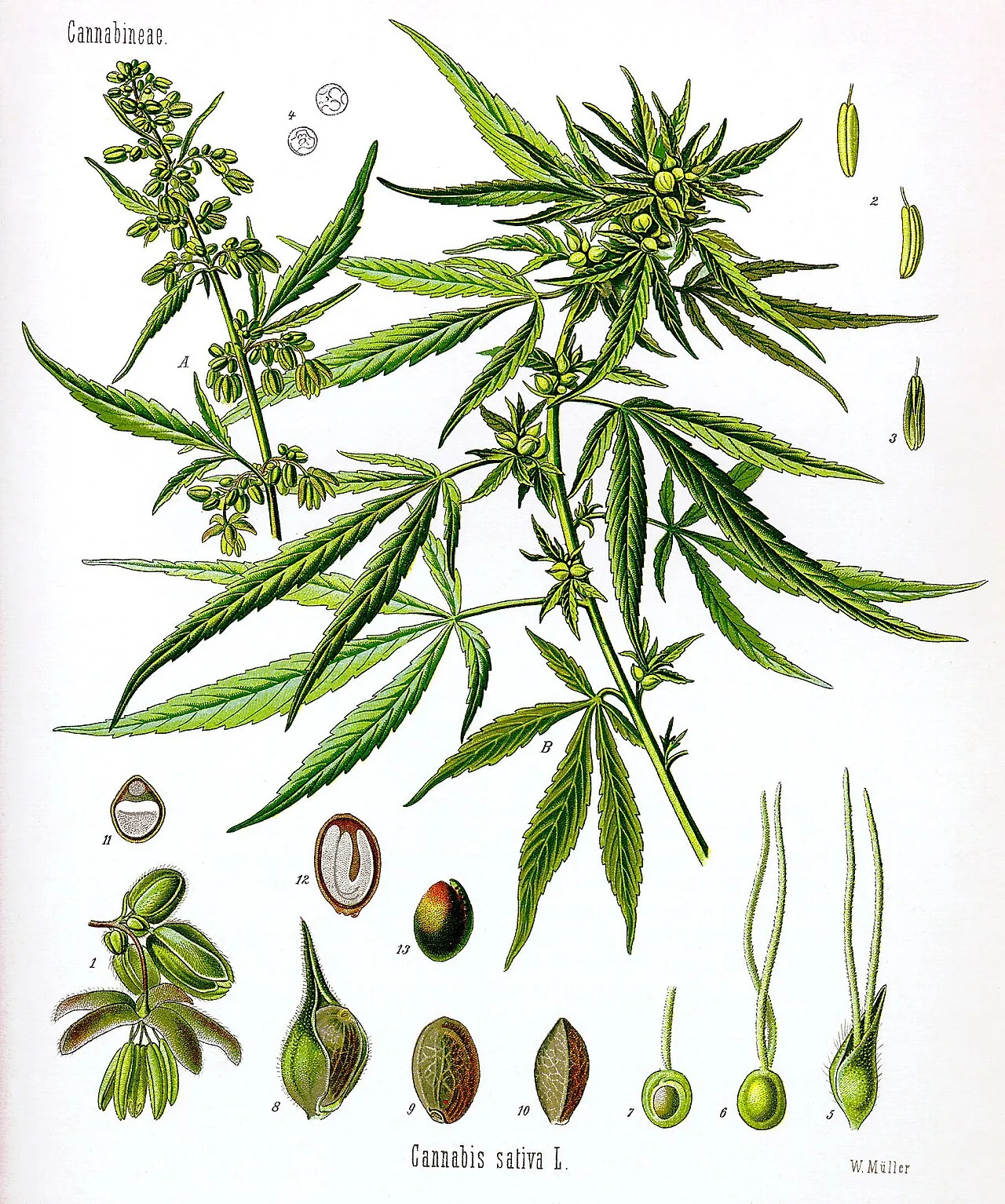
Getting high is the hard part to prove from a grave. Cannabis leaves, flowers and resin rot away, so what survives is usually seed, and seed alone tells you almost nothing: hemp grown for rope and cloth, or for oil, leaves the same seeds as a plant bred for resin. A cache of seed in a tomb could be a fibre crop, a food offering or a weed that blew in. The Scythians, the horse-riding steppe people whose prominent members were buried in this tomb in the Republic of Tyva, are known from outside written accounts, but a written account from outsiders is not the same as a plant in a grave.
The method here closes some of that gap. The team radiocarbon dated six individual seeds and placed the deposit in the early eighth century B.C. That dates the seeds rather than the tomb around them. Then they analysed hair preserved in the central burial chamber, and several samples showed chemical evidence of cannabis consumption. Caspari's own framing: "This study is particularly insightful because it combines the analysis of plant remains with molecular traces in the human body." The hair is what turns a plant find into a case for intoxication, because the chemical evidence came from the bodies of the people buried there.
The researchers are careful about what the seeds can carry. They say the seeds probably came from wild cannabis, and they could not determine whether people cultivated the plant for its psychoactive properties. So the thousand seeds are a striking number and a good dating anchor, but the argument for getting high rests on the hair chemistry. The press summary does not name the compounds found or their concentrations, and that is where the claim is most exposed: which molecules, at what levels, and whether they could have come from incidental contact rather than deliberate use. The paper is in Science (dx.doi.org/10.1126/science.aeg3800), and that detail will be in it.
What the find does establish is a burial ritual with cannabis at its centre, at a date earlier than any directly dated chemical evidence of the same thing. It also shows why the two lines of evidence are needed together. Seeds date a deposit; only the body says what the plant was for.