Twenty people in a South African cave, and not one of them was male

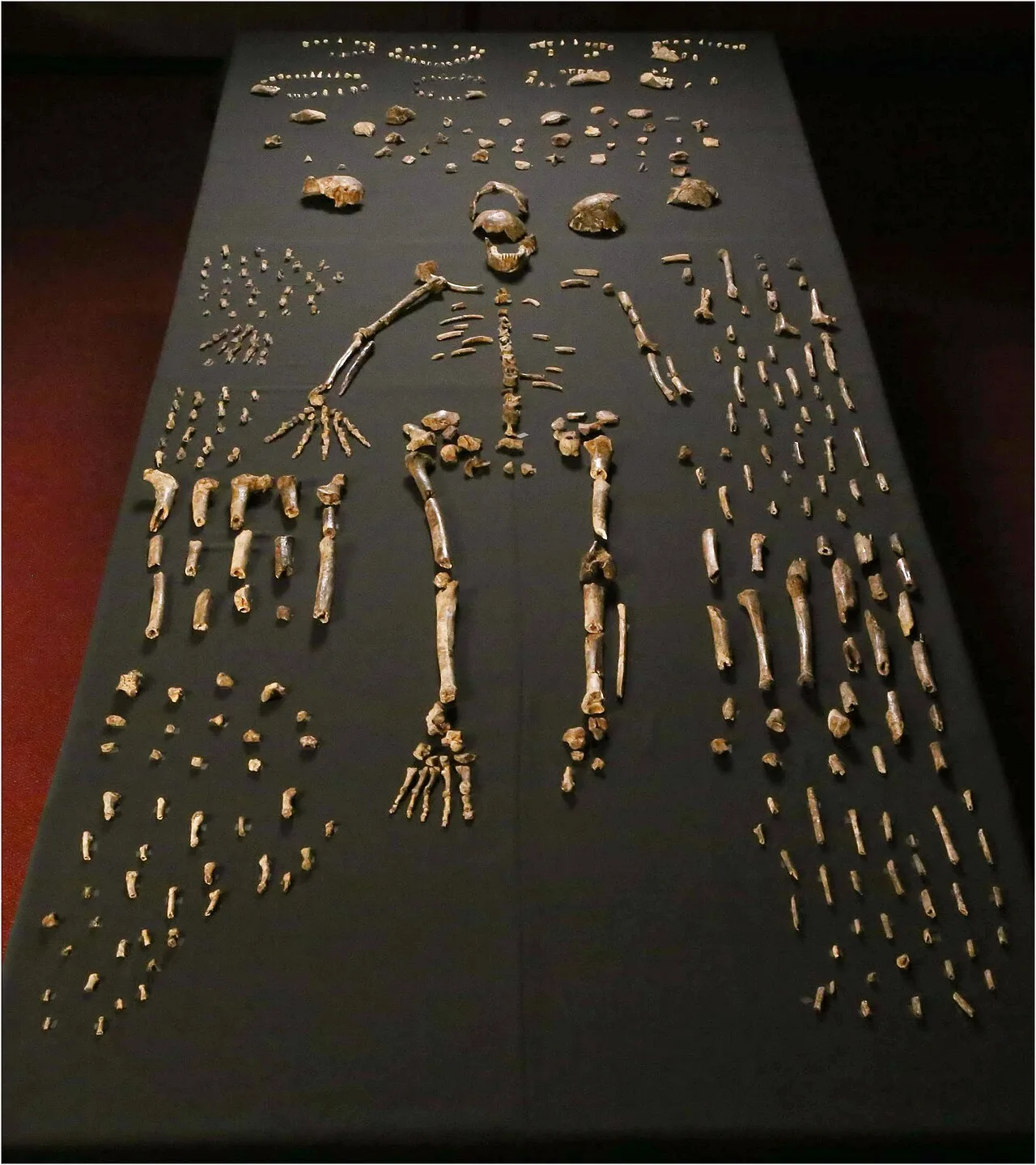
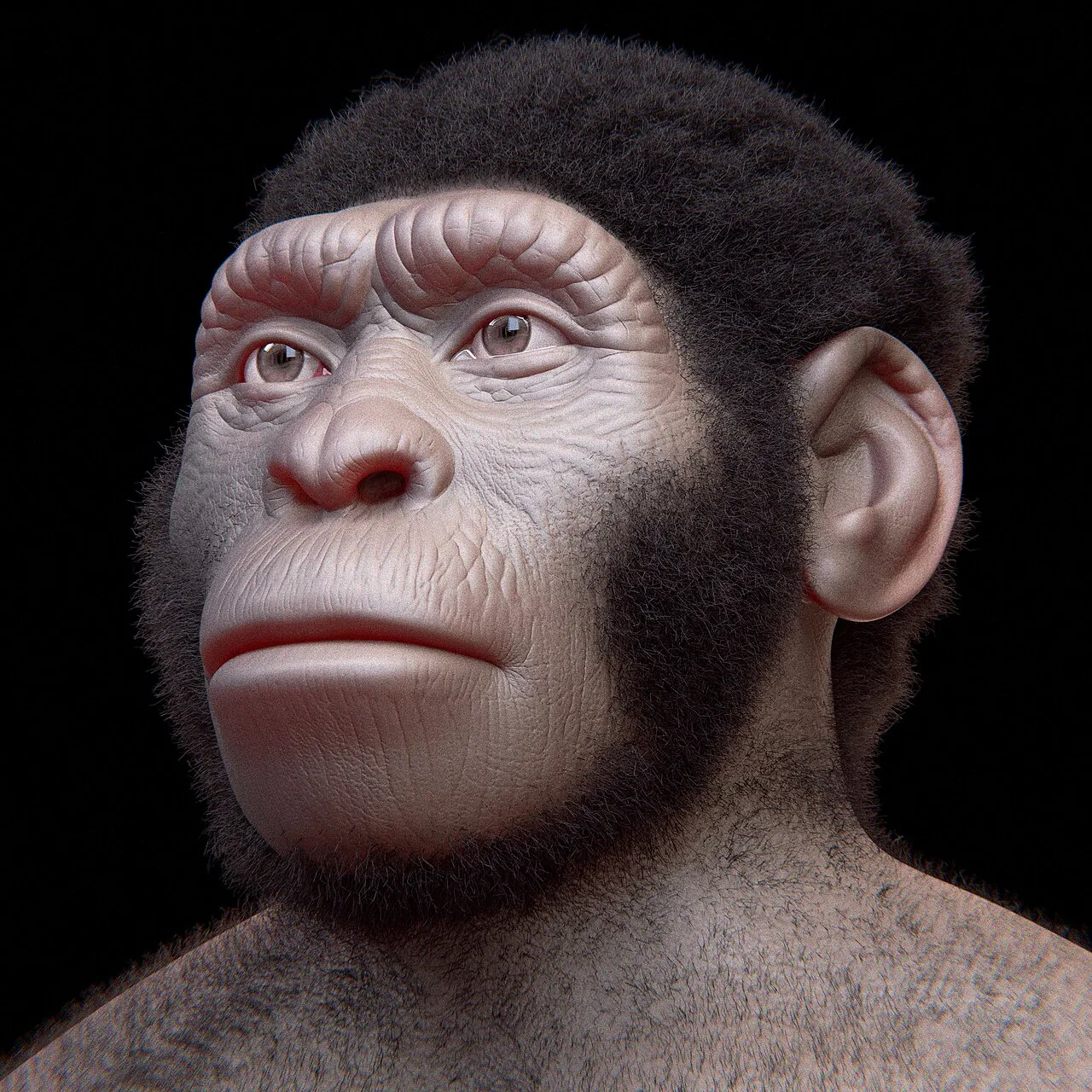
In a deep chamber of Rising Star cave in South Africa, the remains of at least 20 members of an extinct human relative called Homo naledi were found. A new study of their teeth found no male signal in any of them. If that holds, it could be the earliest known burial place set aside for one sex made by a human relative other than us.
Homo naledi is a small-brained relative of ours that lived roughly 335,000 to 241,000 years ago, found in the Rising Star cave system in 2013. The fossils come from a room called the Dinaledi Chamber. For over a decade, one thing has bothered researchers: the adult bones all look oddly alike. In living humans, and in most species, males and females differ enough that you can usually tell them apart. Here, the variation you'd expect just wasn't there.
A team from the University of York, the University of Copenhagen and more than ten other institutions looked for the difference in proteins instead of bones. Tooth enamel, the hard outer coat of a tooth, traps proteins like a sealed jar. They used a gentle acid wash to nibble out short protein fragments called peptides from 23 teeth belonging to at least 20 individuals, which kept damage to the fossils low. Then they looked for amelogenin-Y, a protein made from a gene on the male Y chromosome. Finding it means male. They found none. Chemists at York checked the amino acids to rule out contamination from modern sources and confirmed the proteins were genuinely ancient. It's published in Cell: dx.doi.org/10.1016/j.cell.2026.05.044
Dr Marc Dickinson of York's chemistry department said: "The lack of male markers with the group is truly fascinating. It is incredibly exciting to gain a window not only into the biology of our ancestors, but also into how they lived."
Two things decide how far this finding goes. First, whether amelogenin-Y should still be detectable in enamel of this age at all. If that particular protein breaks down faster than the others the team tested, then its absence tells you about chemistry, not about who was in the cave. Second, whether the Dinaledi Chamber was a deliberate burial place. The source describes the cave as possibly containing a burial site, and nothing about a tooth protein settles whether it was one. What the teeth do say is that the puzzle of why these people looked so alike now has a candidate answer, and it's a good one.