One pot of glaze, three colours: how a Stamford potter painted with fire
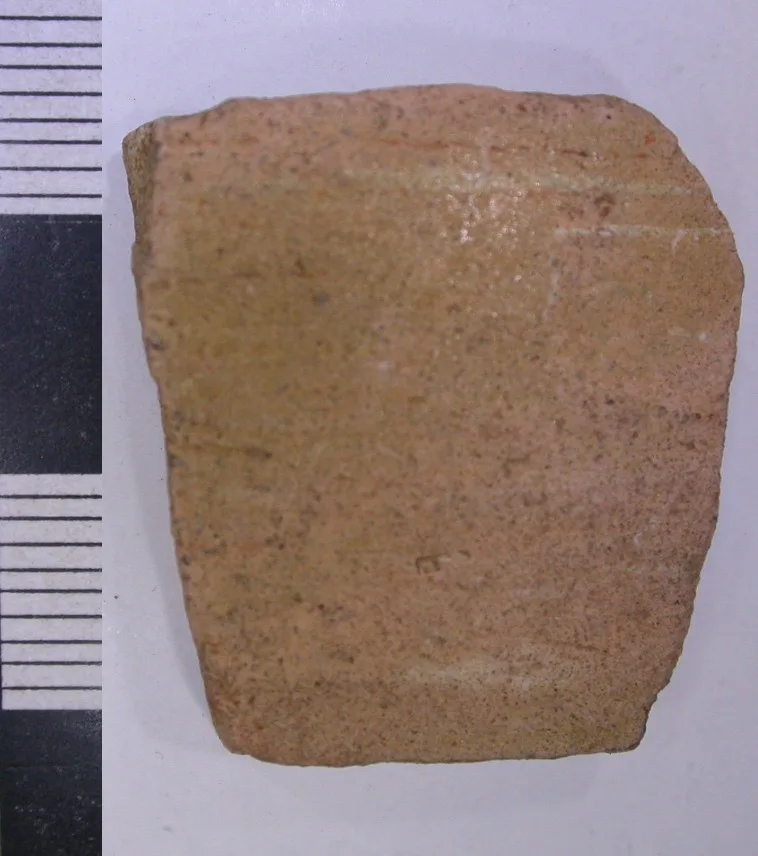
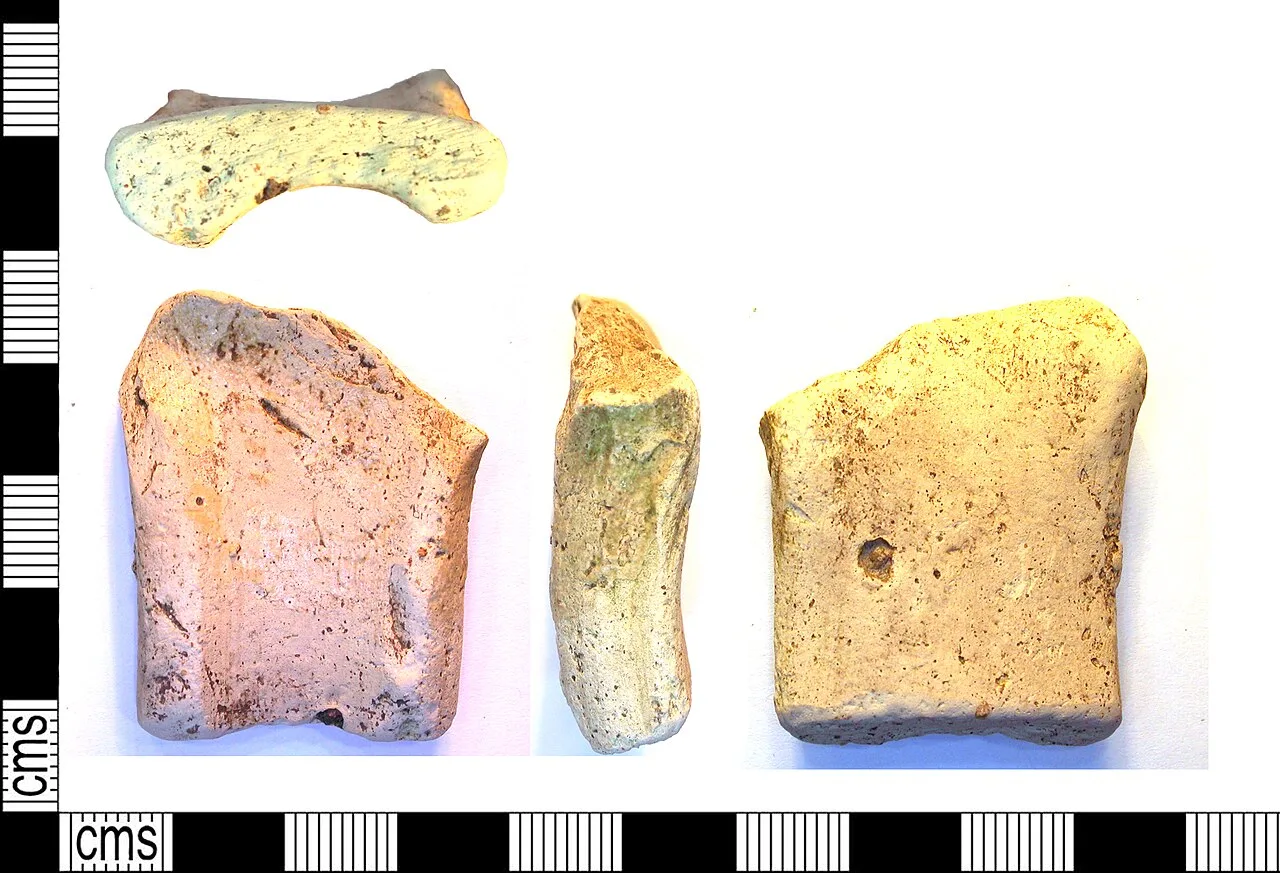
A Stamford jug could come out of the kiln pale yellow, orange, pale green or smoky blue, and which one you got depended on how it was fired. The colour depended on the glaze composition, the iron content and whether the kiln was fired with air or without. Air was one of the things that made the difference.
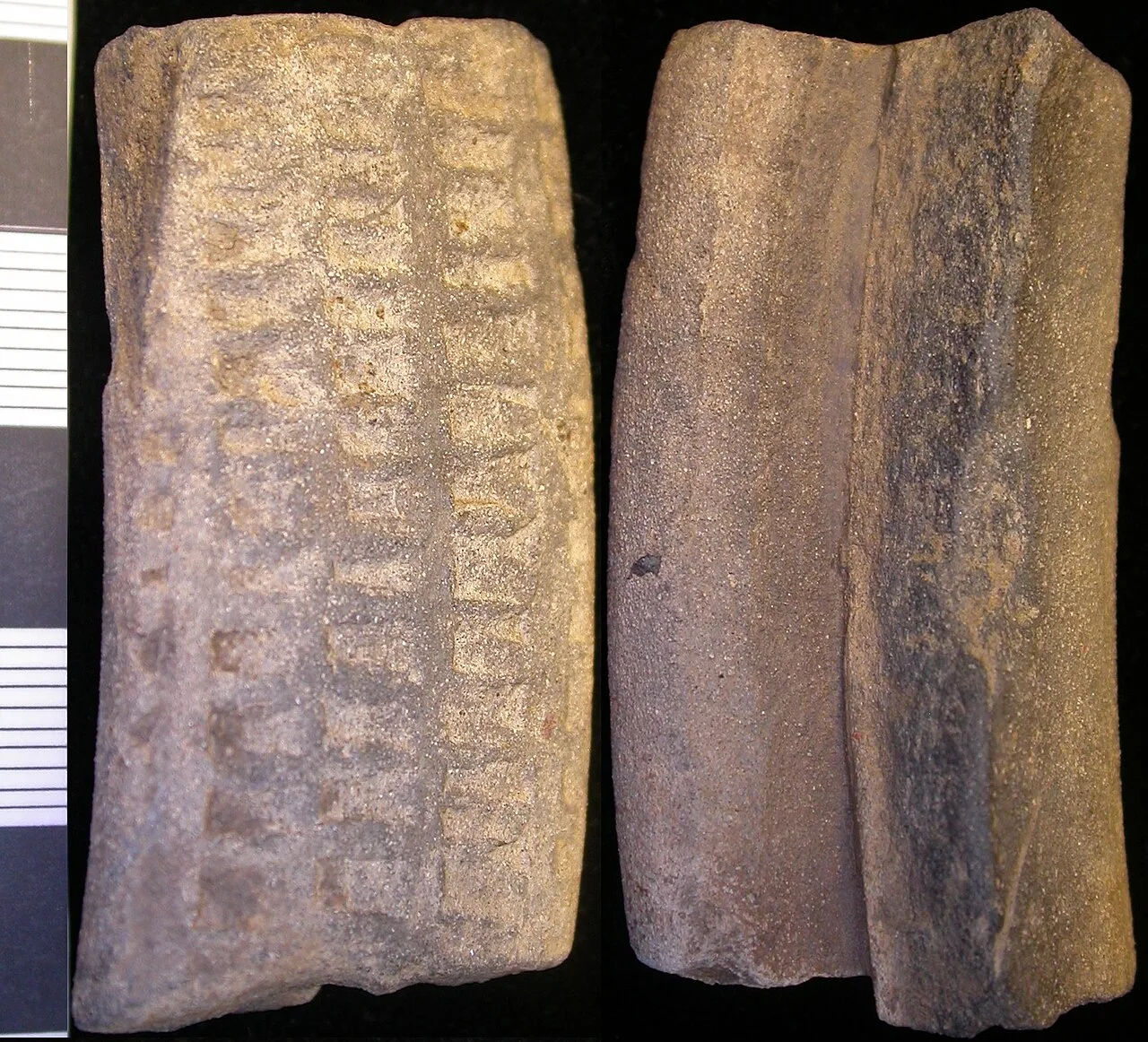
Stamford ware is the shiny lead-glazed pottery made in Stamford, a town in Lincolnshire in eastern England, from roughly the ninth to the thirteenth centuries. It's among the earliest glazed pottery made in England, which matters because for centuries before that almost every English pot was plain, unglazed clay. Glaze is a glassy coating melted onto the surface so the pot comes out shiny, and a shiny jug you could actually wipe clean was a new trick. Stamford's potters traded theirs widely across Britain and over to the near continent, and archaeologists use where the pots turn up to map trade routes of the period. The commonest shapes are jugs, spouted pitchers and small bowls.
So where do the colours come from? Iron. Iron content is one of the things that decides the colour, and iron behaves differently depending on the fire. Give it plenty of air (an oxidised firing, in the jargon) and you get one set of colours. Cut the air off (a reduced firing) and you get another. The source puts it neatly: "The glaze was applied with a brush and can be pale yellow, orange, pale green and smoke blue." The glaze was applied with a brush, which is a nice thought: a hand did that.
There's a stranger detail in the chemistry. Early Stamford glazes seem to contain traces of silver but not tin, and the source suggests that may be unique among early English glazes. I'd want a proper lab comparison before I'd swear to that one; it hinges on how many other early glaze recipes have actually been tested the same way. Tin is a common glaze ingredient, so its absence here is a detail worth a closer look.
Kilns were dug up in the town, which fits with it being made there. One medieval kiln turned up during work at Stamford School in 1963, and a much earlier one was found at Stamford Castle in 1976. Back in 1950, greenish Anglo-Saxon pottery found in the town had already hinted that lead glaze was being used there early on. You can see examples at Stamford Museum. The Wikipedia article en.wikipedia.org is a good starting point, and the PotWeb pages potweb.ashmolean.org from the Ashmolean cover the pottery chronology.
What I like about Stamford ware is that the chemistry is visible. You don't need a lab to enjoy it. You just need to know that the potter was controlling the fire as much as the clay, and that the colour was settled in the kiln, not on the wheel.