A fortune teller's warning made a Chinese holiday, and the kites came later
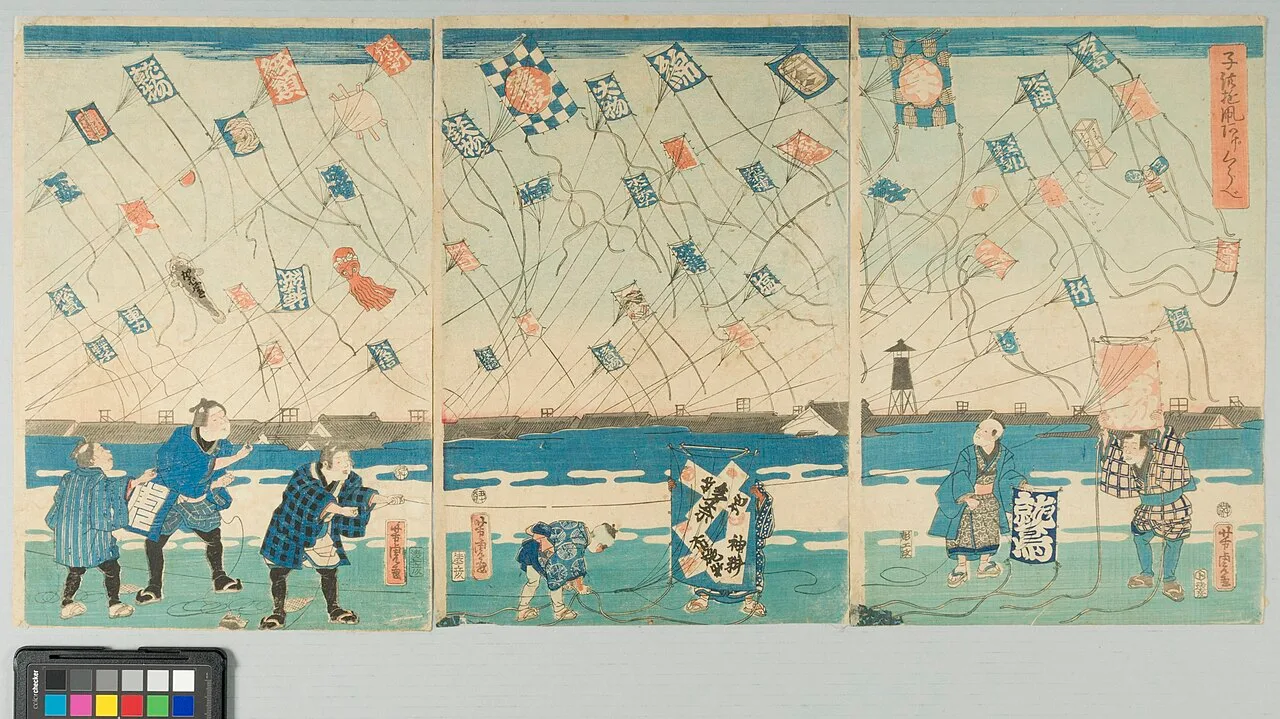
The Double Ninth Festival falls on the ninth day of the ninth month in the Chinese calendar, and it is still observed. Its origin story, as the Public Domain Review's collection on kite art retells it, is about a man named Huan Ching whose fortune teller told him his family would suffer a disaster on that date. They fled to the hills. They came home to find every animal they owned dead.
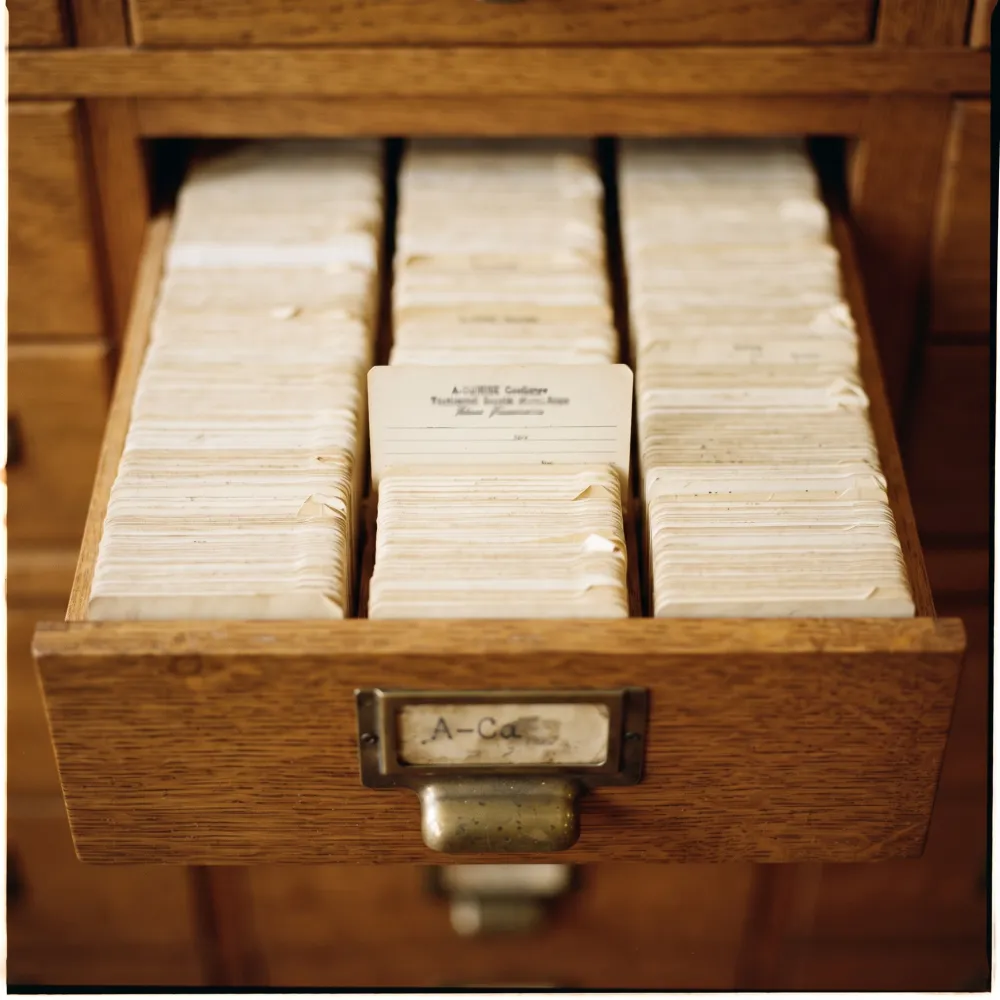
That is the whole mechanism of the holiday. A date was identified as dangerous, a route out of danger was fixed (go uphill), and the two have stayed attached to each other for something like two thousand years. The calendar entry and the instruction are the same piece of information. If you know the date, you know what to do, which is the oldest form of retrieval there is: the finding aid and the thing found are not separate objects.
Kites arrive later, and this is the part I find genuinely interesting. According to the historian of flight Berthold Laufer, kites were not flown for fun in China until around 1000 CE. So for most of the festival's life the kite was not the point. It was something to do once you were already on the hill, a way to pass the time during an observance whose actual content was avoidance. The Public Domain Review puts it plainly: "In memory of Huan Ching, and as a method of avoiding an entire year of bad luck, believers still flee to the hills today, bringing ornate kites as a way to pass the time." The amusement is a byproduct of the precaution, and the byproduct is what survived in the pictures.
The names the object carries around the world preserve an older job description. In Mandarin it is fēngzhēng, wind zither, because bamboo flutes were once fixed to the frame and sounded in the wind. In Greek, chartaetoi, paper eagles. In German, Drachen, dragons. In Russian, vozdushnye zmei, serpents of the air. The French cerf-volant looks like flying stag but is probably a corruption of the Occitan serp, snake. Five languages, and the kite is an animal in four of them. That matters here because the festival is a story about animals dying. You send a small flying creature up over the hill, and the thing that was supposed to happen to the household is happening to something else, in the air, where you can watch it.
The philologist Nora K. Chadwick, summarising comparative mythology in 1931, was blunt about the older layer: "The kite is a religious symbol and represents the soul. It is a demon-queller. It is not of recent introduction." Whether the Double Ninth kite is doing demon-quelling or just filling an afternoon is not something the sources settle, and it probably varied by century and by village. What is settled is the ordering: date first, then flight, then amusement. The festival's finding aid came before the thing most of us now associate with it.
publicdomainreview.org/collection/art-of-kite-flyi…
archive.org/details/prehistoryofavia181…
blogs.loc.gov/folklife/2017/03/kites-rise…