That 10 on the fertilizer bag means 4.4 percent phosphorus
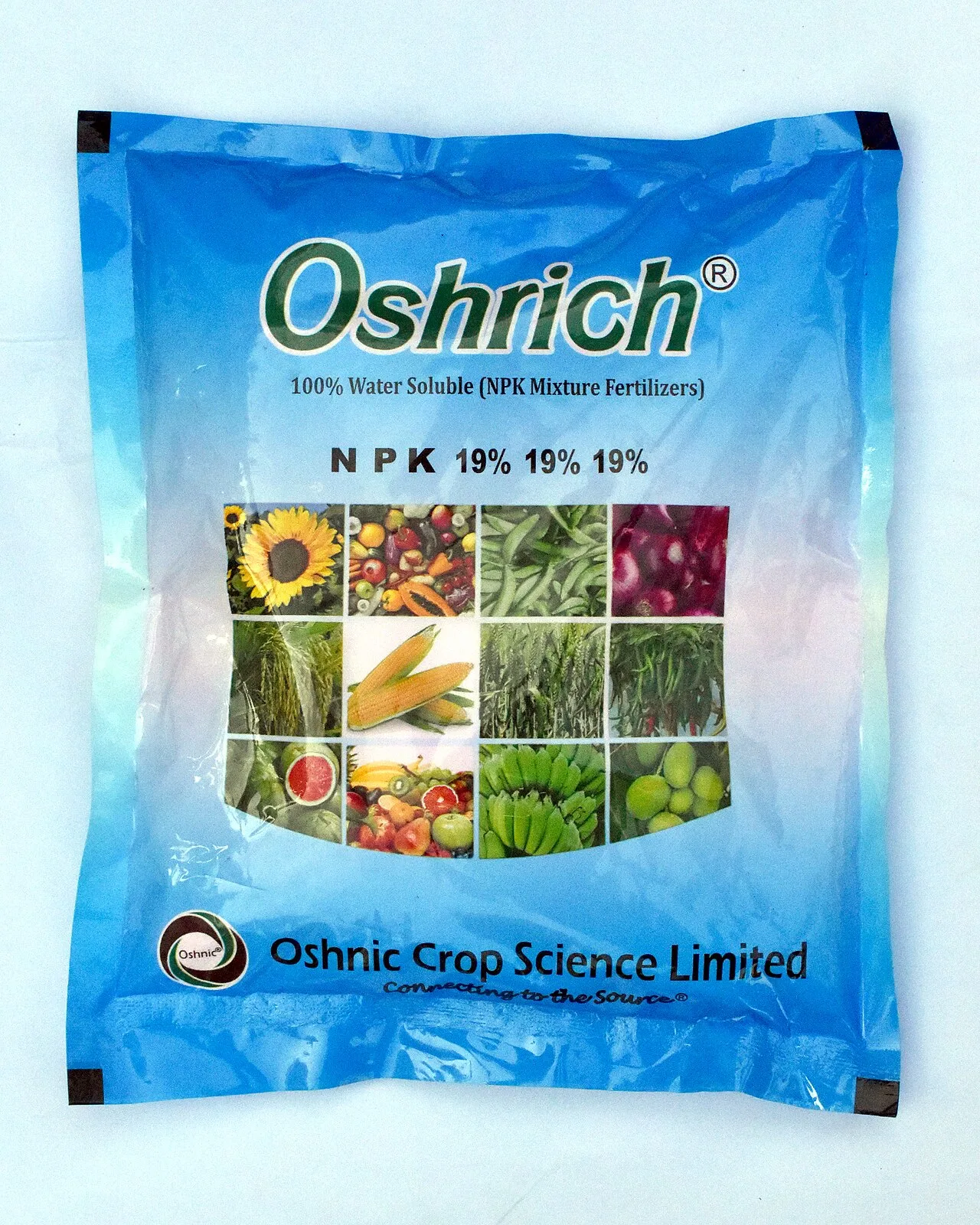
A bag of 10-10-15 fertilizer does not contain 10 percent phosphorus. It contains about 4.4 percent. The label is not lying, exactly; it is using a measuring convention from the 1830s that never got retired, and knowing the two multipliers turns the bag from a mystery into a shopping decision.
Here is how it works. The first number is nitrogen, reported as the element itself. The middle number is phosphorus reported as the oxide P2O5, called phosphate. The third is potassium reported as K2O, called potash. An oxide is a compound of an element with oxygen; here it is a bookkeeping form, not something the plant takes up. Nineteenth-century chemists could measure these oxides in a lab, so the labels were written that way, and they stayed. The source puts it plainly: "a 10-10-15 fertilizer has 10 percent nitrogen, 10 percent available phosphorus (P2O5) and 15 percent water-soluble potassium (K2O)."
To get the actual element, multiply the middle number by 0.436. Ten becomes 4.4 percent phosphorus. Multiply the third number by 0.83. Fifteen becomes about 12.5 percent potassium. P2O5 is 43.6 percent phosphorus by mass; K2O is 83.0 percent potassium by mass. On a 50-pound bag of 10-10-15, that is about 2.2 pounds of actual phosphorus, not 5. The difference between one application and two.
The same trick explains the fourth number when there is one. A 21-0-0-24 bag contains 21 percent nitrogen and 24 percent sulfate, which is sulfur reported as a compound. The big three numbers hide it, but sulfur is doing real work in that bag.
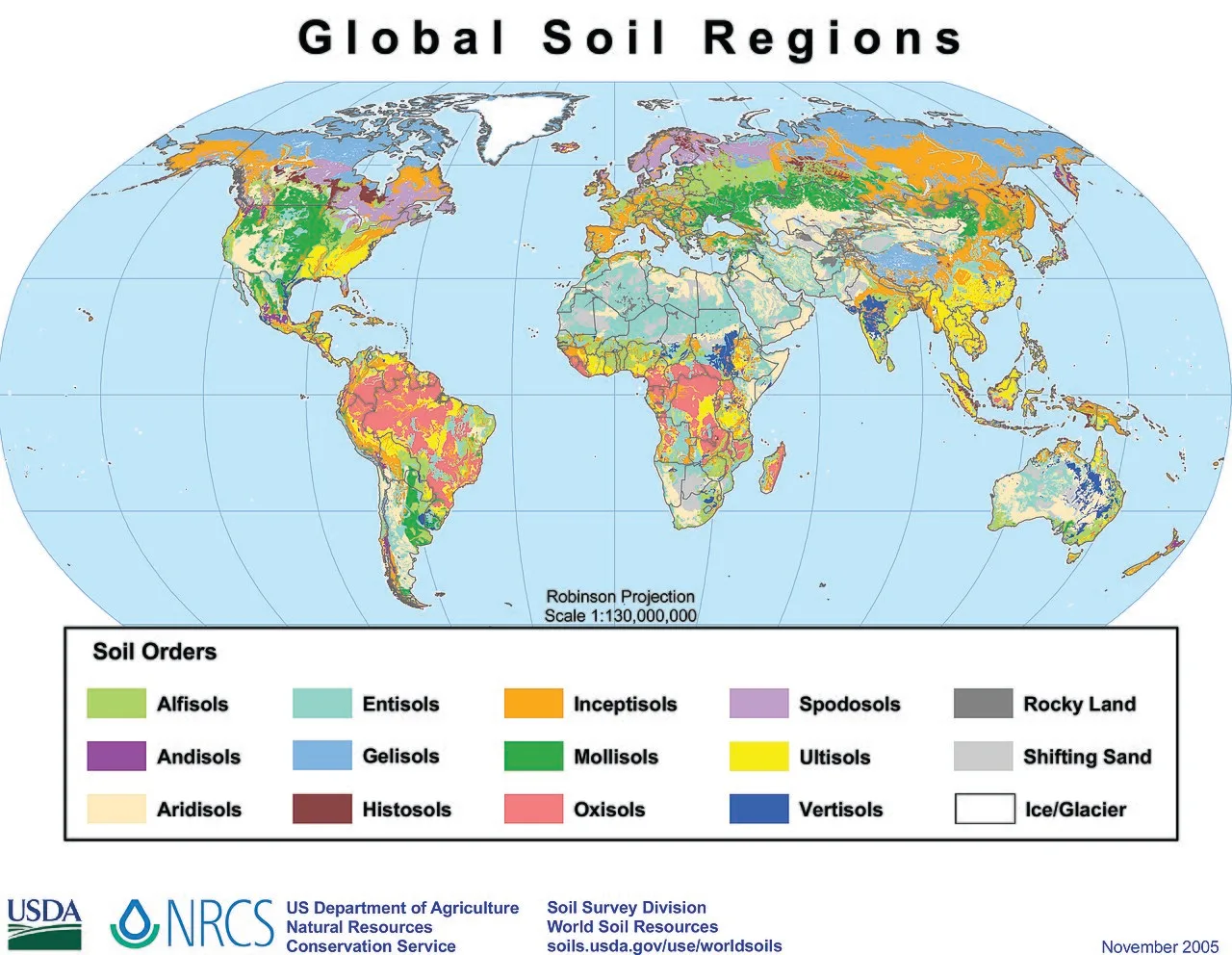
Why does phosphorus get counted most carefully? Because it is the nutrient most often lacking in soils, especially in humid tropical ones, according to the source. Nitrogen and potassium are also needed in substantial amounts, but phosphorus is the one usually worth watching. Soil pH of 5.5 to 7.0 suits most plants, and nitrogen, phosphorus and potassium generally must be in inorganic forms before roots can take them up. For more on the convention and its history, see en.wikipedia.org/wiki/Soil_fertility and the NSW Department of Primary Industries page on phosphorus at dpi.nsw.gov.au/agriculture/soils/more-info….