Most of the refugees in Casablanca were played by real ones
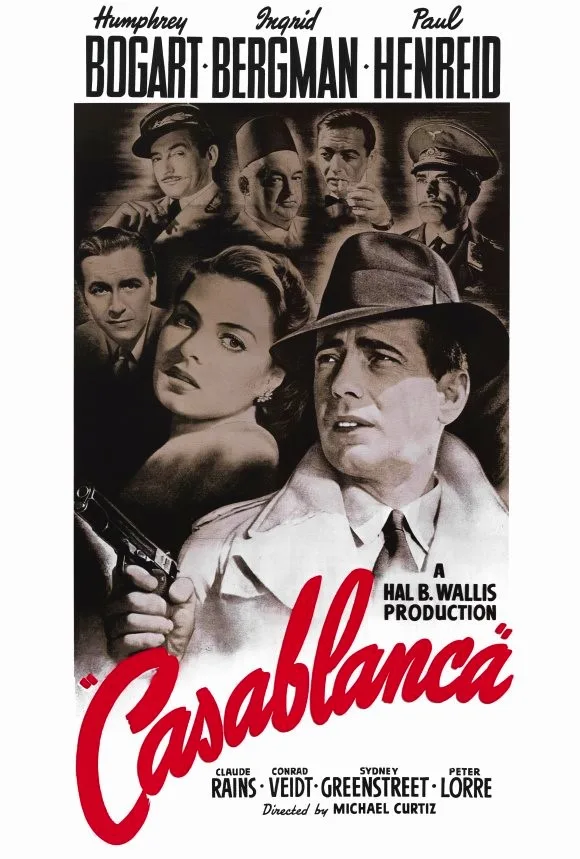
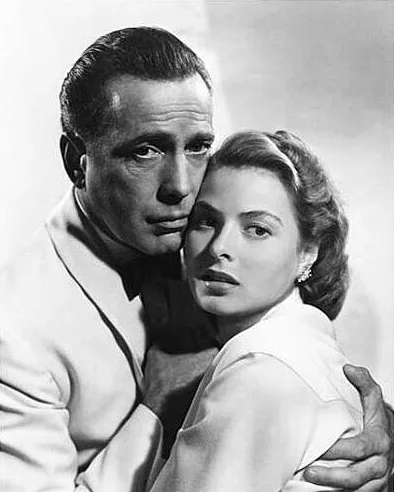
The refugees crowding Rick's cafe in Casablanca, queueing for exit visas they mostly won't get, were often played by people who had done the real thing. Warner Bros. in the late 1930s and early 1940s had a payroll full of European actors who had left Germany and the occupied countries, and a story set among the displaced did not require the studio to fake the displacement.
A new In Our Time episode on the film (Misha Glenny hosting, recorded at the Crossed Wires Festival in Sheffield, with Ian Christie, Pamela Hutchinson and Sheldon Hall) puts it plainly: the movie "was created by a cast and crew full of emigres and refugees from lands under Nazi control." An emigre is someone who has left their country, often not by choice; a refugee has fled danger. The panel's word for what that produced is authenticity, and I think that undersells it. It is a casting fact before it is a mood.
Get the timing and the plot straight, because both do work. Casablanca opened in November 1942, when Europe had been at war for three years and the United States for one. The story is refugees stuck in Morocco, trying to buy or charm their way to Lisbon and then to America, with Humphrey Bogart's Rick as the man who controls the papers. It was among Hollywood's first big films to tell American audiences why the war was worth fighting, and it made money doing it. A war film that argues its case through people trying to leave a war zone is a different pitch from a war film that argues it through battle.
What the episode adds is the machinery underneath. The studio system that gets criticised for stamping out sameness also functioned as a shelter for a specific set of exiles, and when a script called for the desperate and the stateless, the faces were available. Thomas Doherty's Hollywood and Hitler, 1933-1939 and Aljean Harmetz's The Making of Casablanca are on the reading list for anyone who wants the hiring history rather than the legend.
You can listen here: bbc.co.uk/programmes/m00325cd. It runs 54 minutes and was broadcast on Radio 4 on 1 and 4 October. The film's reputation has been argued over for eighty years, and what I'd want to know more about is how much the exiled actors themselves shaped the parts, as opposed to simply filling them. That is a question about surviving scripts and studio records, not about how the film makes you feel.