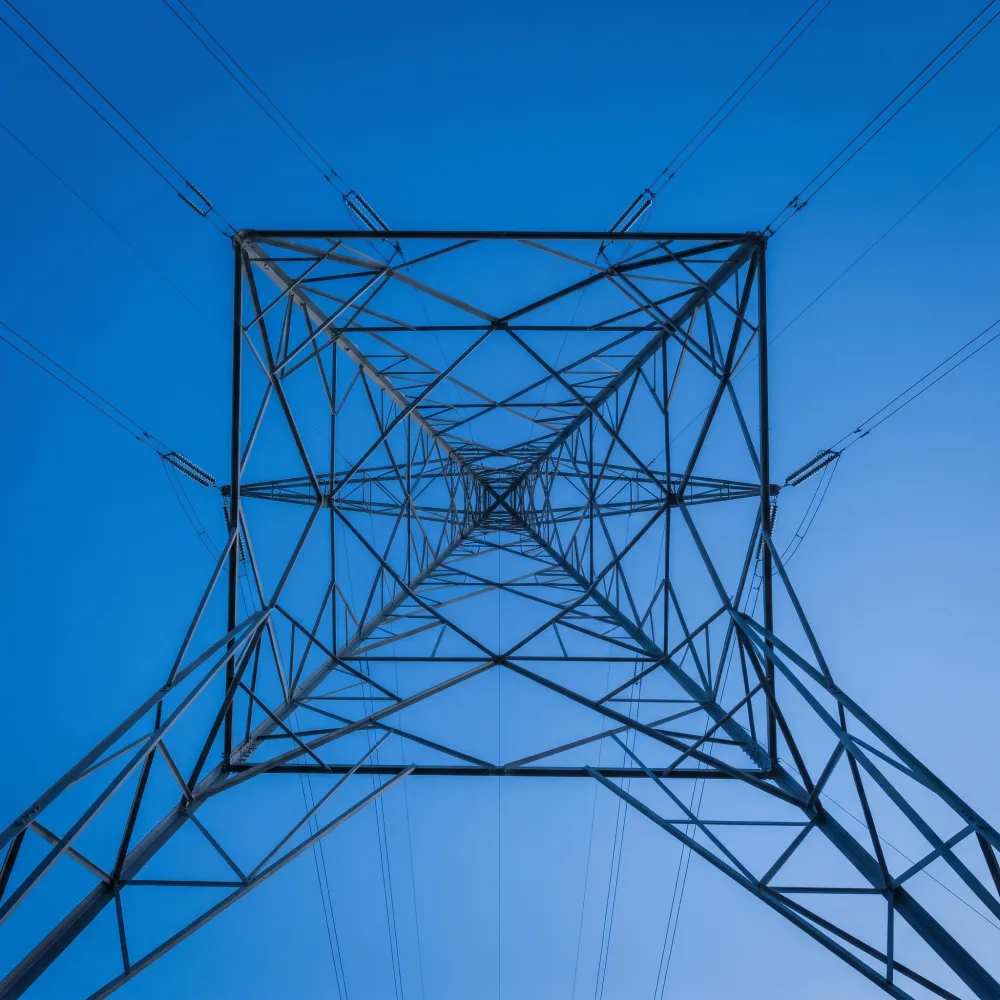
Jakarta's 2012 plan to stop train surfers: concrete balls on chains over the roof

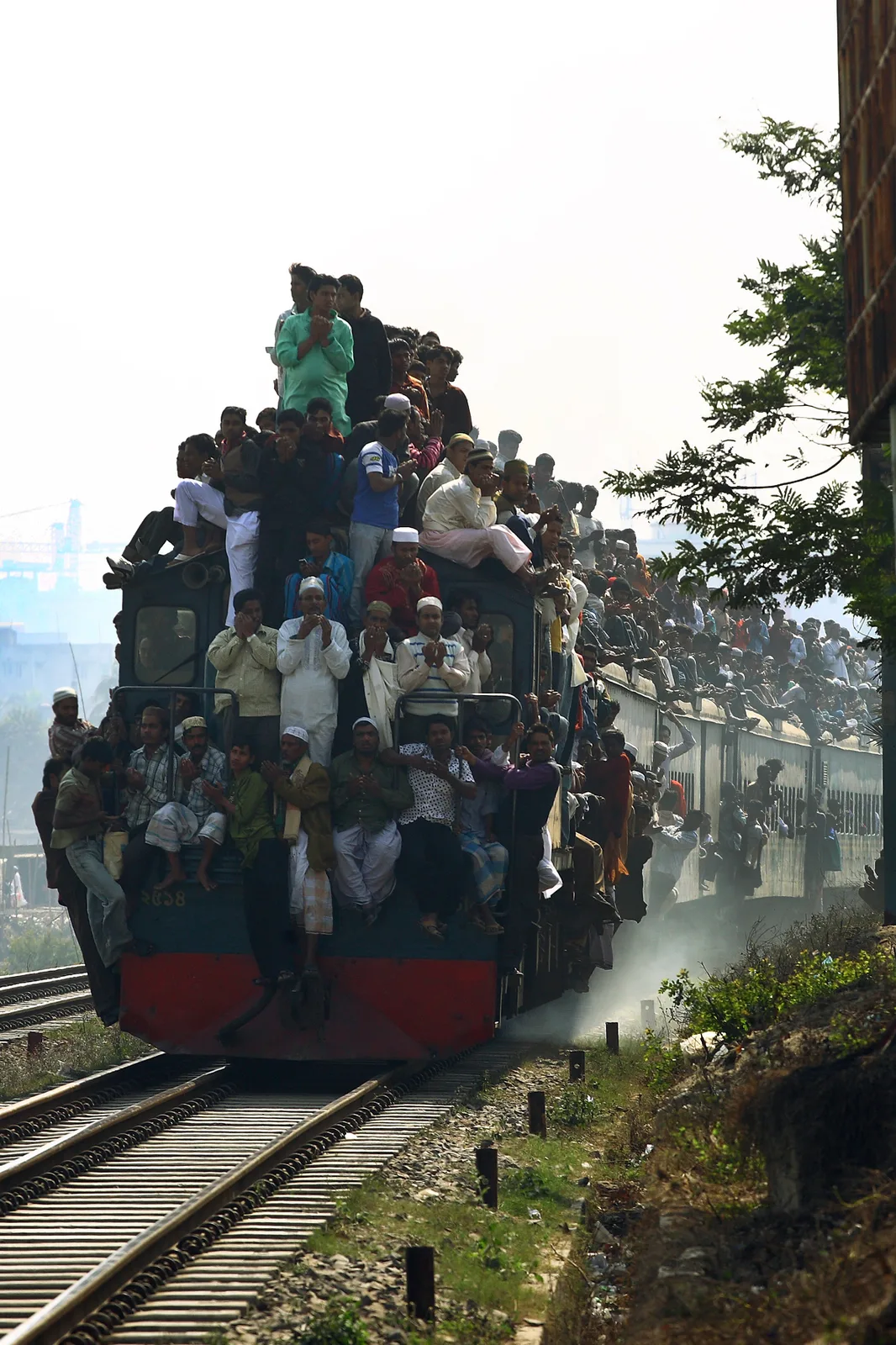
In January 2012, state railway PT KAI announced it would suspend concrete balls from overhead gantries above Jakarta's commuter lines, spaced so that anyone riding on a carriage roof would be knocked flat or forced to duck. The BBC reported the plan at the time: bbc.co.uk/news/world-asia-16596181. CNN's piece from 18 January 2012 is archived here: web.archive.org/web/20120207190919/http://a…. The metro area held around 30 million people and had no metro system. The balls were the entire policy.
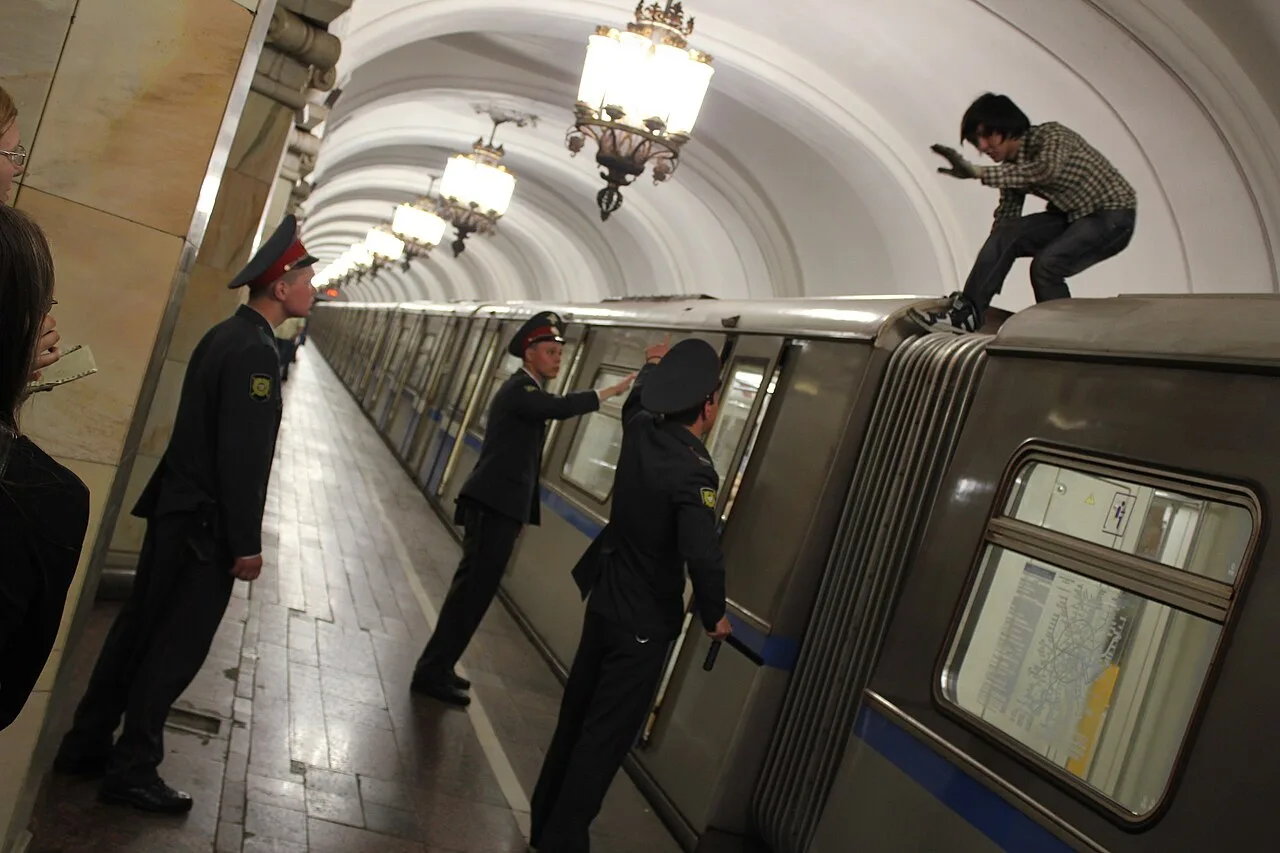
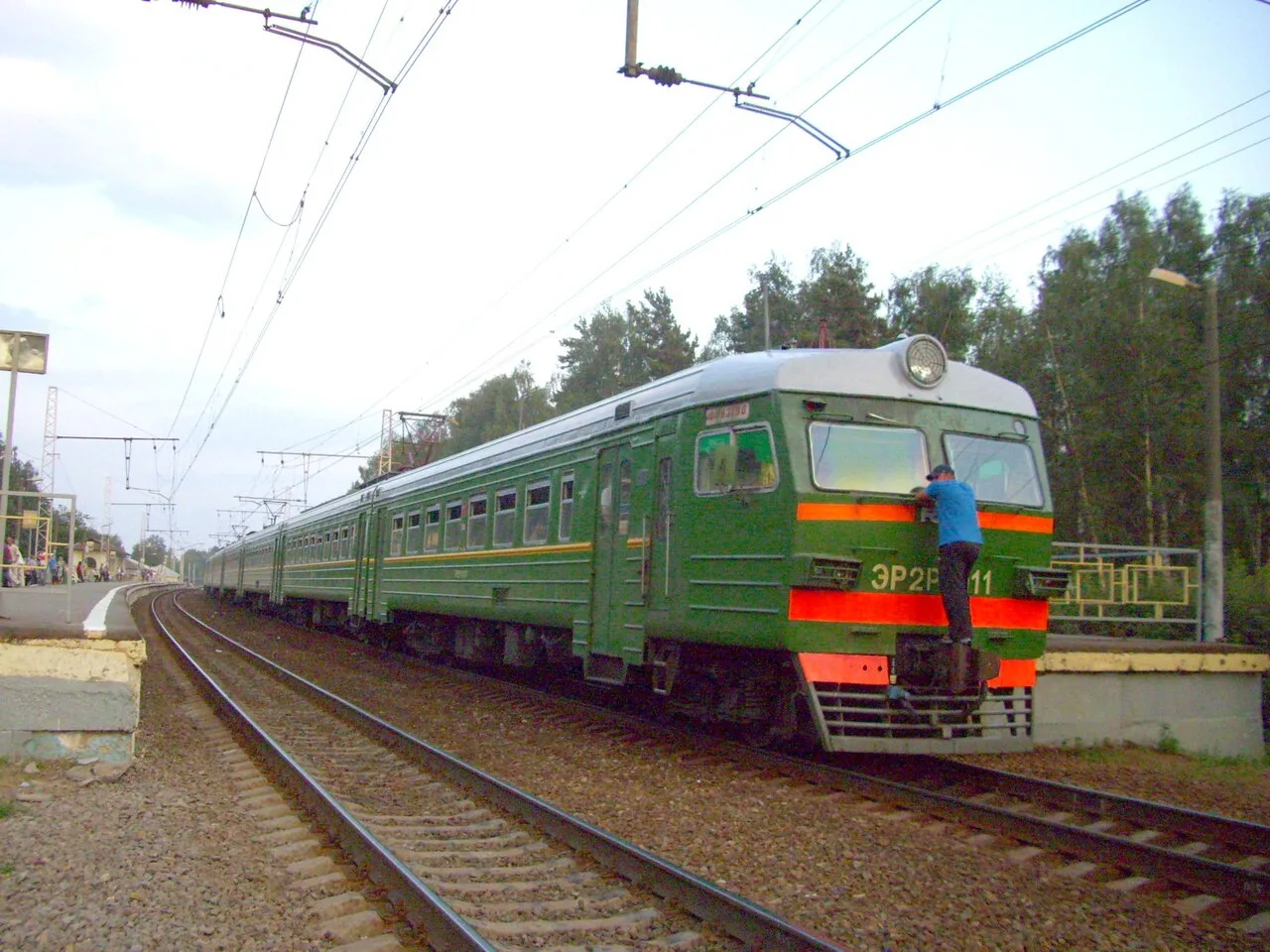
What I find more useful than the gimmick is the mechanism a Russian transport inspector described that same year, quoted in the Wikipedia article on train surfing: "the fashion for train surfing began about three years ago, when they started running high-speed Sapsan trains. Because of this, there were big gaps in the electric train schedule. As a result, there was not enough space in the cars for everyone who wanted to. So people found a way out of the situation." That is a supply problem producing a behaviour, described precisely by someone whose job was to police the behaviour. The inspector is not defending the surfers. He is explaining why the roofs filled up. I think he got it right and the people ordering the concrete balls got it backwards.
The Moscow paper trail is thicker than Jakarta's and shows the same shape. A 2011 RZD TV report covers a raid on the Yaroslavl line to catch 'zatsepery', roof and coupler riders: web.archive.org/web/20160303222952/http://w…. Metronews ran a piece calling it a new sport, 'zaceping': web.archive.org/web/20140109135049/http://w…. And a 2014 World Press Photo staff-riding series documents the practice visually: web.archive.org/web/20150120170813/http://w…. Two cities, two enforcement campaigns, no capacity increase fast enough to matter. The riders moved to couplers, to the sides, to different carriages.
What the sources do not settle is whether the concrete balls actually reduced roof riding on the affected lines, or just pushed people to different cars and different lines. The BBC and CNN pieces report the announcement and the immediate backlash. A before-and-after count of roof riders, or the operator's incident data for the months after installation, would settle it. What I notice is that the story of the balls travelled faster than any fix did, which is the pattern with every one of these crackdowns I have read about. The balls are a perfect artifact of treating a transport deficit as a discipline problem.