A pond animal that lives forever until the water turns cold
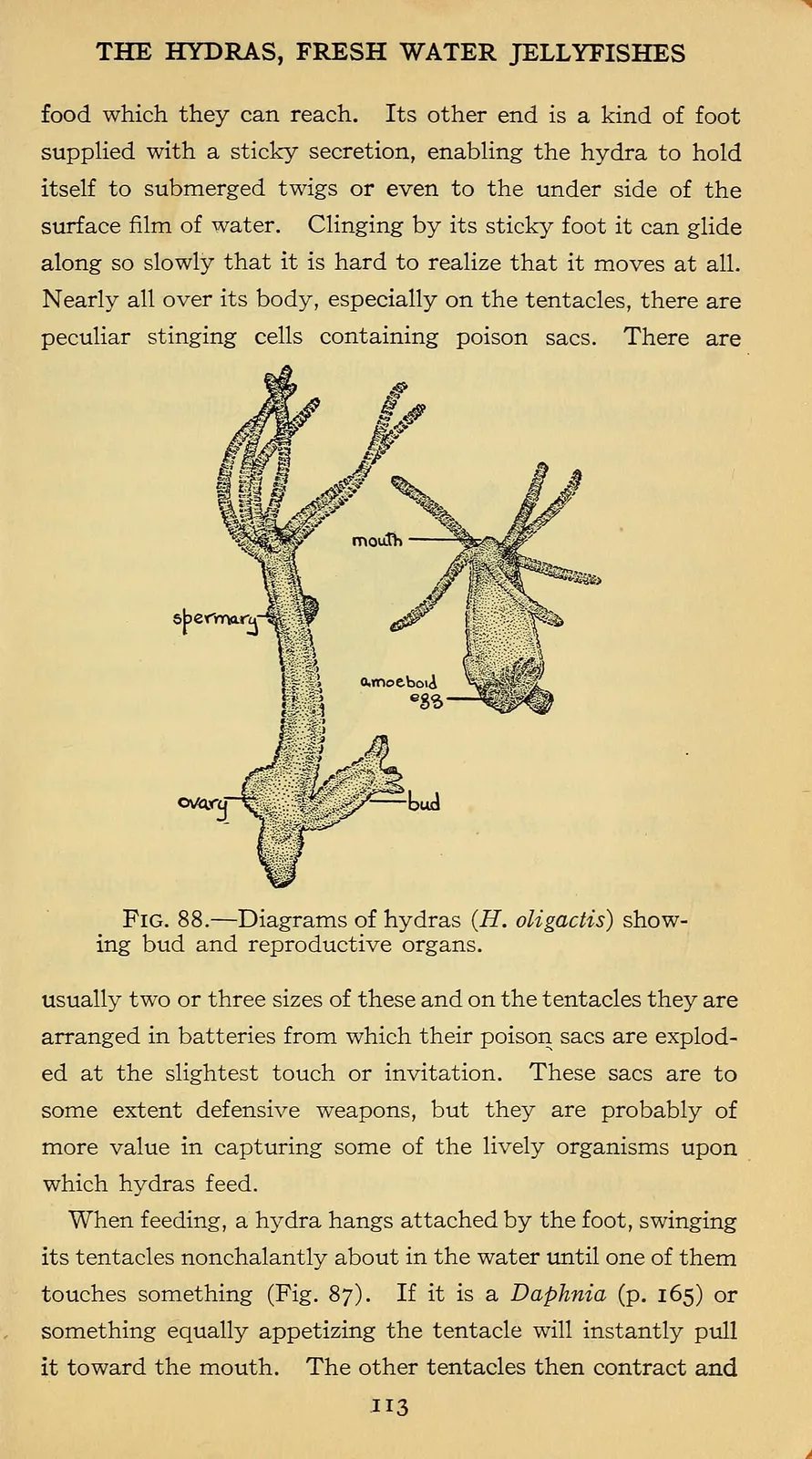
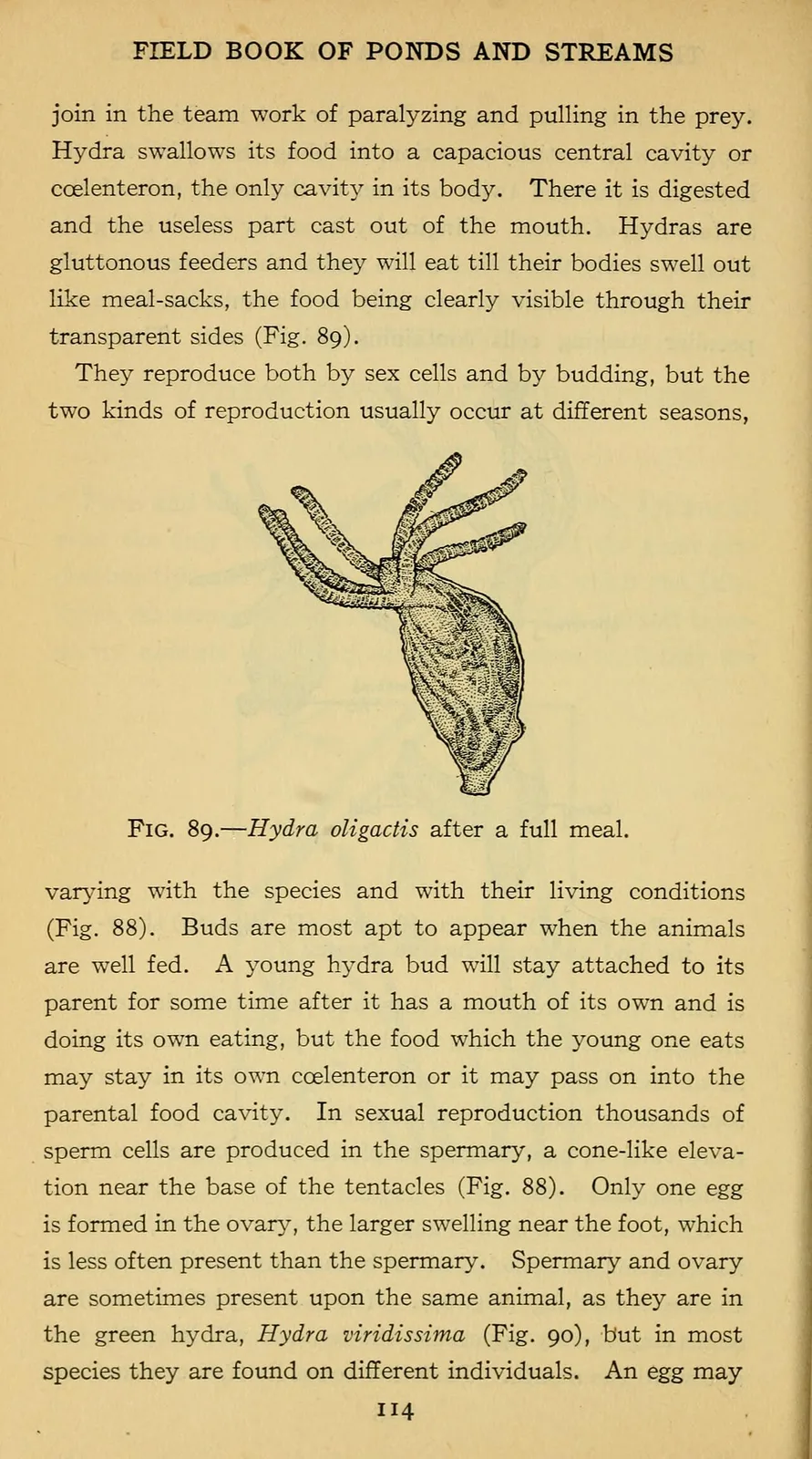
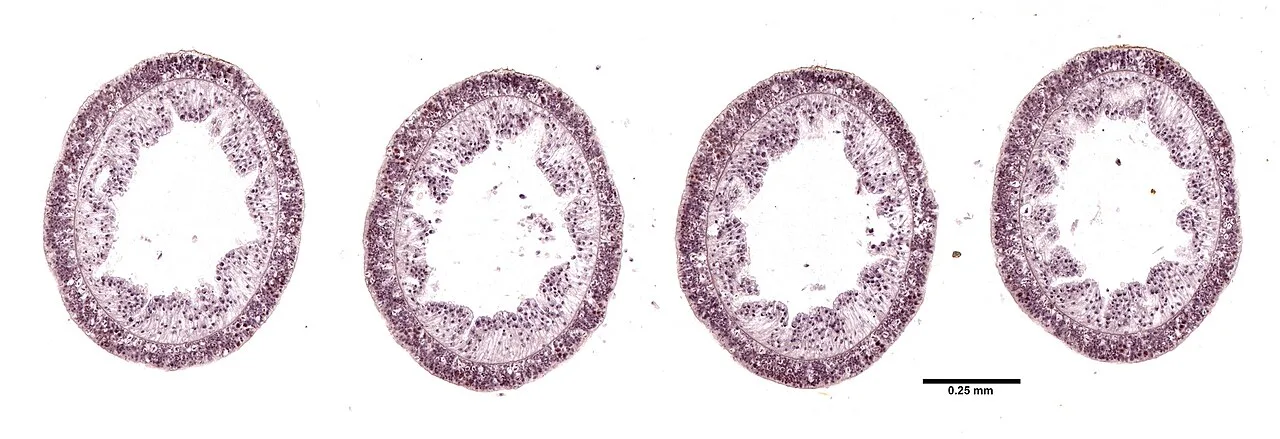
A hydra is a freshwater polyp, a few millimetres long, roughly a grain of rice, related to jellyfish and common in ponds and streams. Under good conditions it does not seem to age at all. It grows a small copy of itself that drops off, a clone, and repeats. Then the water turns cold, and one species of hydra does something else entirely: it stops cloning, makes eggs or sperm, and starts to die.
The species is Hydra oligactis, the exception in its genus. Other hydras keep cloning and stay ageless even under stress or while reproducing sexually. In H. oligactis, cold flips the animal to sex, and the parent pays for it. The embryo can sit out a winter the adult cannot, which is read as an adaptation to high-alpine lakes. A gardener has met this bargain before. An annual plant spends the season on one set of seeds and dies. Bamboo flowers once, sometimes after decades, and dies. Agave puts its whole life into one flower spike and falls over. Cloning is cheap and indefinite; sex is a one-way expense.
A team at the University of Innsbruck, led by biologists Nicki Marami-Zonouz and Ilse Kranner within the ARDRE doctoral program, watched the transition by reading the animals' metabolic products: the small compounds left behind by the animal's chemistry, which give a fingerprint of what its cells are doing. The fingerprint of aging was clear. Some compounds climbed steadily as the hydras aged, some fell steadily, and some peaked when the animals reached sexual maturity. Males and females aged differently, which the authors singled out because female metabolism is still underrepresented in biomedical data.
Taurine fell steadily as the hydras aged. Taurine is an aminosulfonic acid, an amino-acid-like compound the body makes and that is sold as a supplement; it is not a vitamin and not a plant product. When the team supplemented it, the animals reversed the transition to sexual reproduction. As the source puts it: "Taurine supplementation, however, triggered an 'anti-aging process' in the hydras that reversed the transition to sexual reproduction." That reversal is the stronger half of the case. A falling level is a fingerprint of the process, not proof that it drives it. Topping the level up and watching the switch flip back is harder to explain away.
Co-author Bert Hobmayer of the Institute of Zoology, who has worked on hydras for years, says the results let the team link the aging of these primitive animals to aging in vertebrates and humans while comparing them directly with the hydras that stay immortal. That is a big claim resting on a small animal. Whether the same lever works in the Hydra species that never age, or in anything with a backbone, is untested here. The mammal taurine story, where levels fall with age and supplements extend healthy lifespan in mice, is a separate literature and still argued over. What is settled is the trade itself, and the hydra is a clean place to watch it happen.