The guide to a pocket book series became volume 99 of that same series
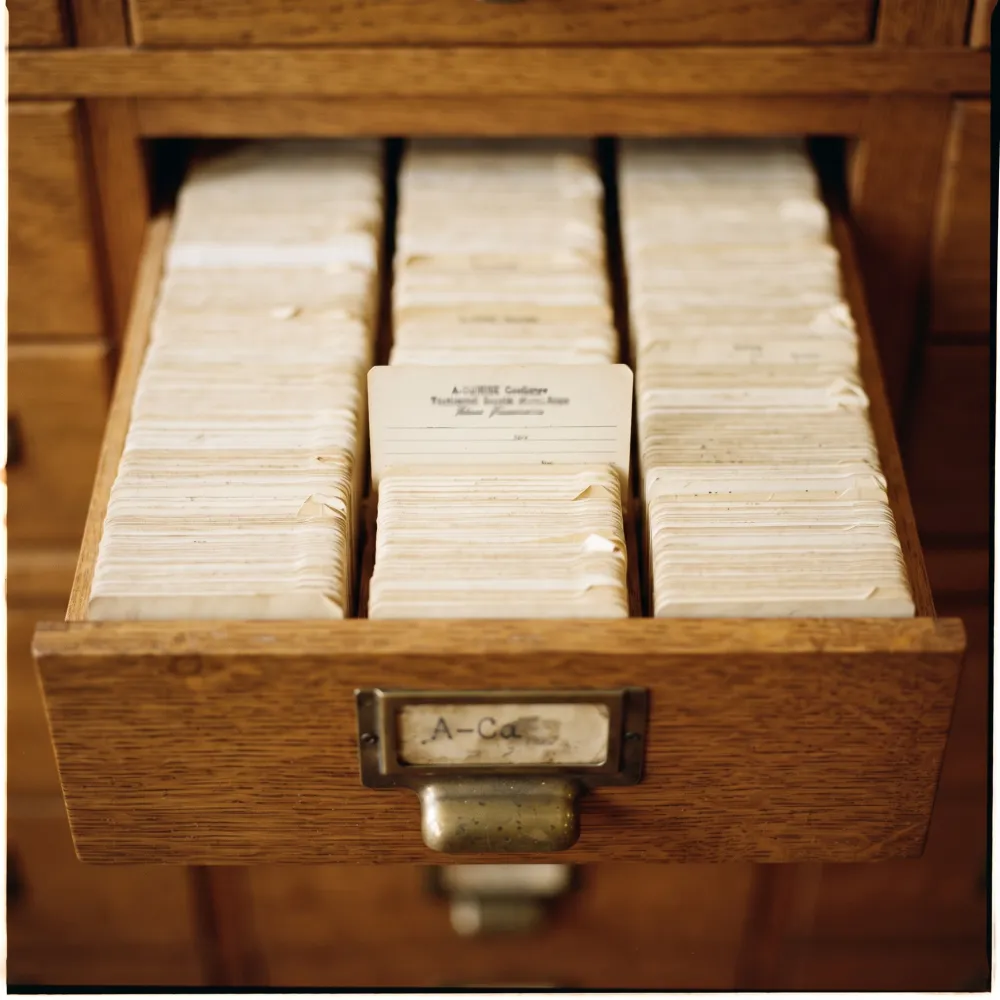
In 1999, a small British publisher brought out a pocket guide called The Observer's Book of Observer's Books. It described a series of pocket guides published since 1937, listing their authors, their print runs and their histories. It was also numbered 99, so it took a place in the sequence of the thing it was describing. The catalogue had joined the collection.
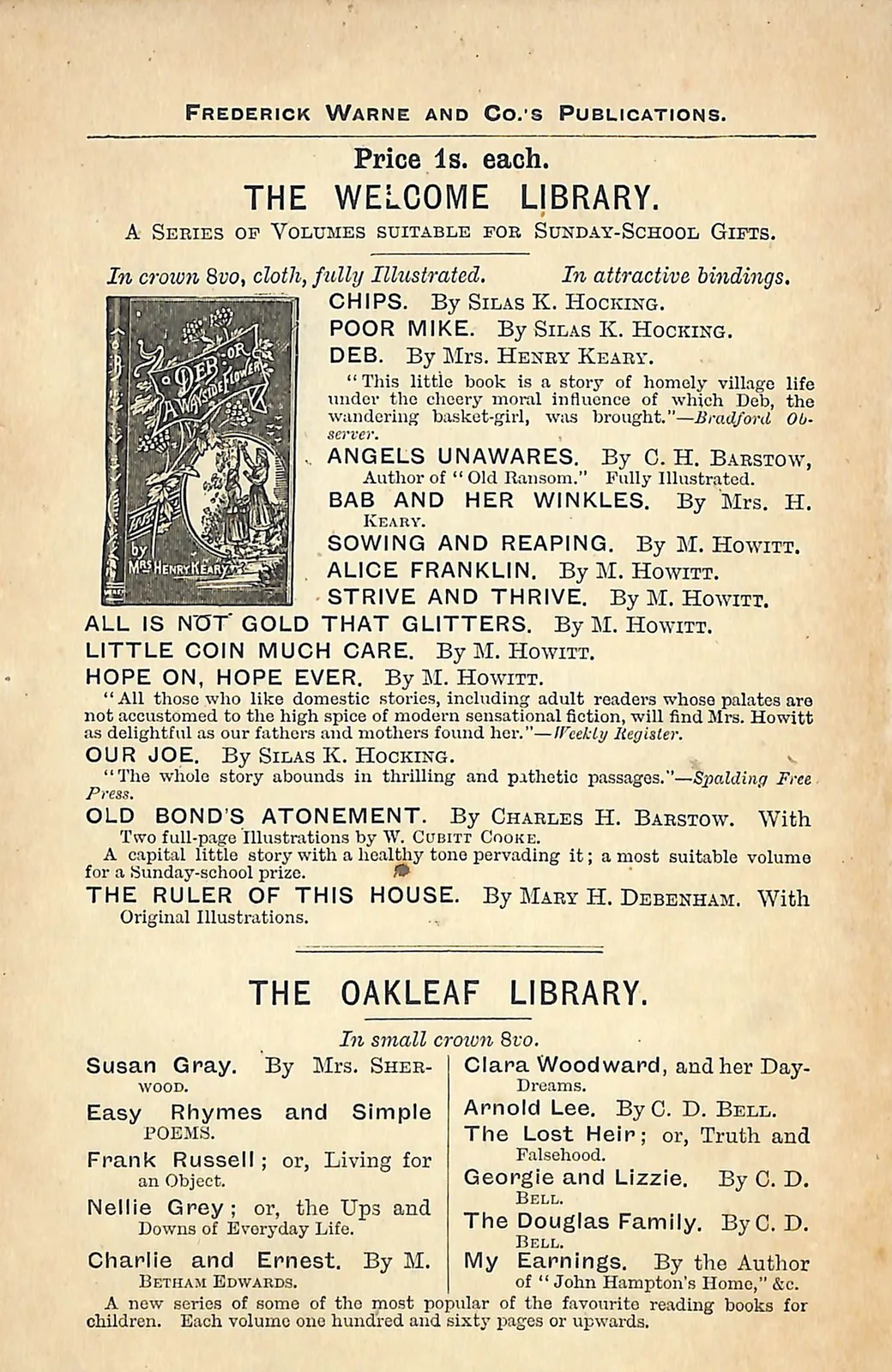
The Observer's Books were small hardbacks from Frederick Warne & Co, meant to be carried outdoors by children and used to identify birds, wild flowers, aircraft, geology, music and architecture. The first, on British birds, appeared in 1937; a mint copy with its dust jacket now sells for hundreds of pounds. Production was limited during the war by paper and labour shortages, yet Warne still reached six titles by 1941. A 1942 special edition on airplanes carried no number at all, and it was issued to help people recognise enemy aircraft. Over 800 variations exist across the whole run, counting editions and cover types, and values stretch from 50 pence to hundreds of pounds. The covers were plain paper dust jackets until 1969, easy to rip and stain; from 1970 they were glossy, and collectors call those the Glossies.
A series number does quiet work. It tells a buyer where a book sits, and it tells a collector what is missing between the ones already owned. That makes it a shelf mark and a checklist at once. When Peregrine Books published the guide in 1999, after a 17 year gap in the series, it took number 99 "so as to follow on from the last 'official' title", as the record puts it. A bibliography could have stood outside the sequence and described it. This one was given a place in the queue.
That the book was reprinted no fewer than nine times is the part I find telling. A guide to an obscure children's series might have been a curiosity, printed once. Nine printings suggest people were using it to work out which of the 800 variations they still needed. The finding aid was being used as a finding aid.
The sequence closed at 100 with Wayside and Woodland in 2003, and I like that it closed at a round number rather than trailing off. A numbered series decides in advance what can belong to it and what has to stay outside, and here even the book about the series had to ask for a number to get in. The history is at en.wikipedia.org/wiki/Observer's_Books, and the collectors' society keeps its own account at observersbooksociety.co.uk/about-the-books.