Captain Cook was killed over a stolen rowing boat

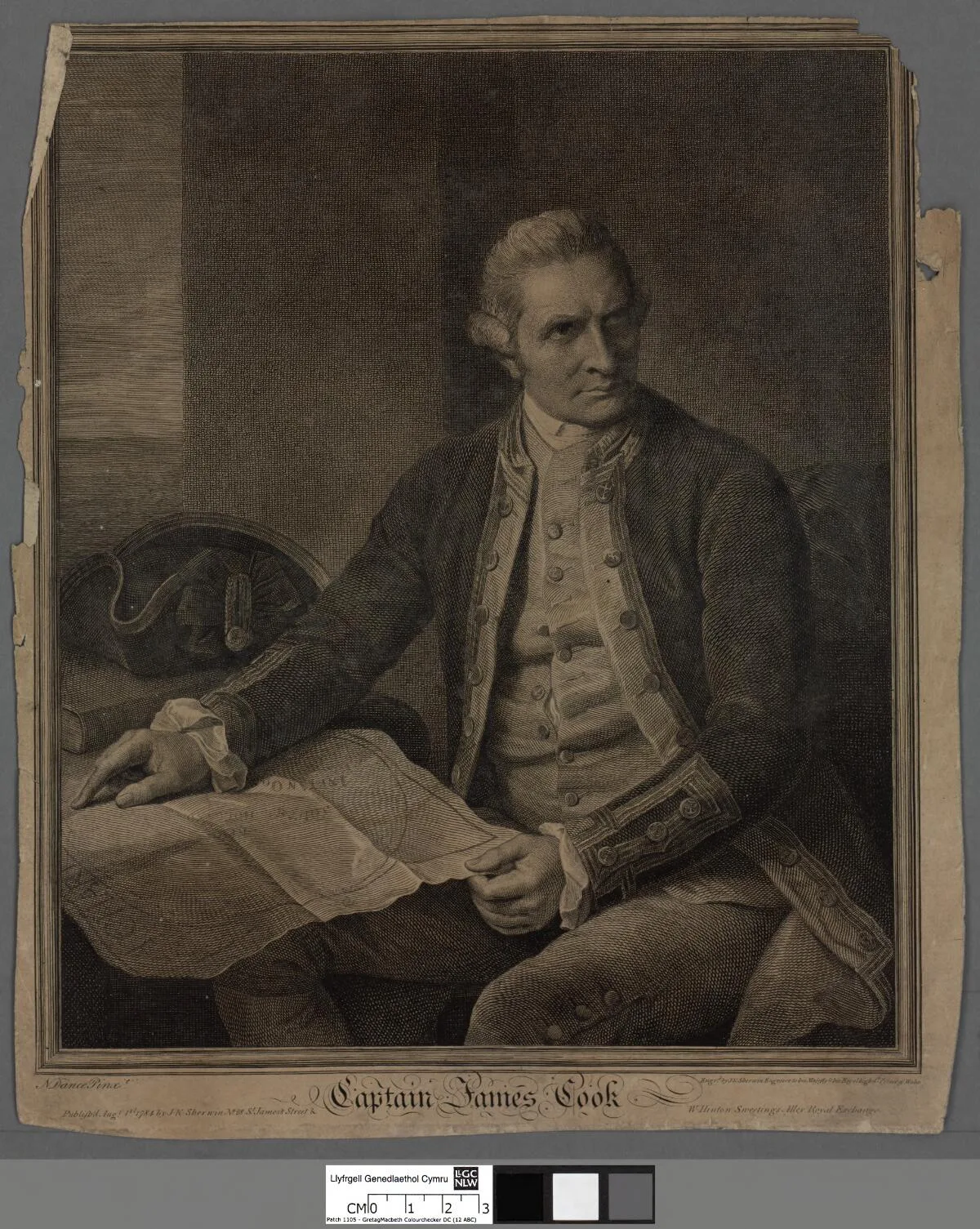
The man who mapped the Pacific was stabbed and clubbed to death in the surf in Hawaii, and the thing that set it off was a missing rowing boat.
James Cook was an English navigator who made three voyages into the Pacific for Britain, charting New Zealand, the east coast of Australia, and islands from Tahiti to Hawaii. The Rest Is History's new episode opens a series on his last two voyages, and the hosts ask a question I find genuinely interesting: whether his final voyage drove him mad. They cover the second voyage's hunt for Terra Australis, the huge southern continent European geographers assumed must exist to balance the northern landmasses, and the third voyage's push north to find a sea route across the top of North America.
By the time Cook sailed back to Hawaii to winter at Kealakekua, he had already been there once before. He was on his third voyage, commanding one ship with a smaller consort ship sailing alongside. A small open rowing-and-sailing boat used for ferrying people and supplies was stolen from the consort ship. Cook decided he was not sailing without it. He went ashore with a party of marines, soldiers posted aboard warships, to take the island's paramount chief aboard as a hostage until the boat came back.
The chief came at first, then stopped near the water's edge as his people objected. The crowd gathered. Shots were fired into the crowd. He was stabbed and clubbed in the shallows. Marines were killed with him, and estimates of the Hawaiian dead vary by account. His body was kept by the Hawaiians; some bones were later returned to the British.
Historians still argue over what the crowd was doing. The anthropologist Marshall Sahlins read the visit as a ritual event: Cook arrived during the makahiki season, the Hawaiian months around the new year given to the god Lono, and was received as an incarnation of Lono, with his killing fitting a pattern of the god being ritually undone. Gananath Obeyesekere argued that this reads Hawaiian religion through European myth-making, and that the Hawaiians were responding to a violent stranger. The two men argued in print. The dispute hinges on how much weight to put on Hawaiian oral tradition versus the sailors' journals, and it is not settled.
Source: 725. The Death of Captain Cook: At World’s End (Part 1)