Three pages of numbers from an 1885 pamphlet promise $60 million buried in Virginia

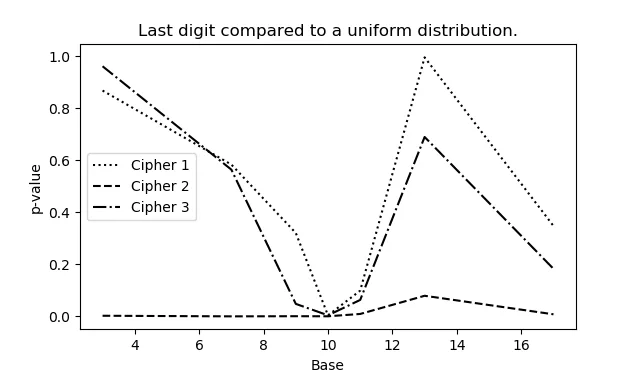
In 1885 a pamphlet went on sale in Virginia called The Beale Papers. Inside were three pages of numbers, and a story: that a man named Thomas J. Beale had buried a hoard of gold, silver and jewels in Bedford County around 1820, and that the numbers were the only record of where. The treasure is estimated at over $60 million as of January 2025. One of the three pages has been solved, and the key turned out to be the Declaration of Independence.
The pamphlet's story runs like this. Beale was the leader of thirty gentleman adventurers from Virginia who found a rich mine somewhere north of Nuevo México while out hunting buffalo, spent eighteen months digging thousands of pounds of metal out of it, and sent Beale back east to hide it. He made several trips to stock the hiding place, then wrote three messages in code: one giving the location, one describing what was buried, and one listing the owners and their next of kin. In 1822 he left the ciphers in an iron box with a Lynchburg innkeeper named Robert Morriss, with instructions not to open it unless he or one of his men failed to come back within ten years. Beale never came back. Morriss opened the box twenty-three years later, and decades after that passed the ciphers to a friend, who spent twenty years on them and cracked only one.
That one is a book cipher, which works like this: you and the person you are writing to agree on a shared text, and every number in your message is a position in that text. Count that many words in, take the first letter of the word you land on, and the letters spell out the message. The second Beale cipher uses the Declaration of Independence as its word list. Count into it, take first letters, and you get a description of the treasure and a rough idea of where it sits. The other two ciphers have never given anything up, because nobody has found the right text to count through. The same method, the wrong key, and the numbers stay numbers.
Whether any of it happened has been argued over for more than a century. There is no historical record of a Thomas J. Beale. The cryptographer Jim Gillogly published a piece in 1980 called "A Dissenting Opinion," and in 1982 Joe Nickell went through the pamphlet against historical records and found words that postdate the era they claim to be from, "stampeding" among them. From the writing style he concluded the author was almost certainly James B. Ward, the man whose pamphlet brought the ciphers to public attention in the first place. Nickell argues that the tale is thus a work of fiction, specifically a "secret vault" allegory of the Freemasons; Ward was a Mason himself.
What would settle it is either of the two things that have not happened: cracking the two remaining ciphers, or turning up a documented Beale in the records. People are still digging in Bedford County. You can read the ciphers and the whole argument at en.wikipedia.org/wiki/Beale_ciphers, and Gillogly's article is archived at web.archive.org/web/20060126085231/http://m….