The 1877 prophecy book that files predictions under 'Unfulfilled'
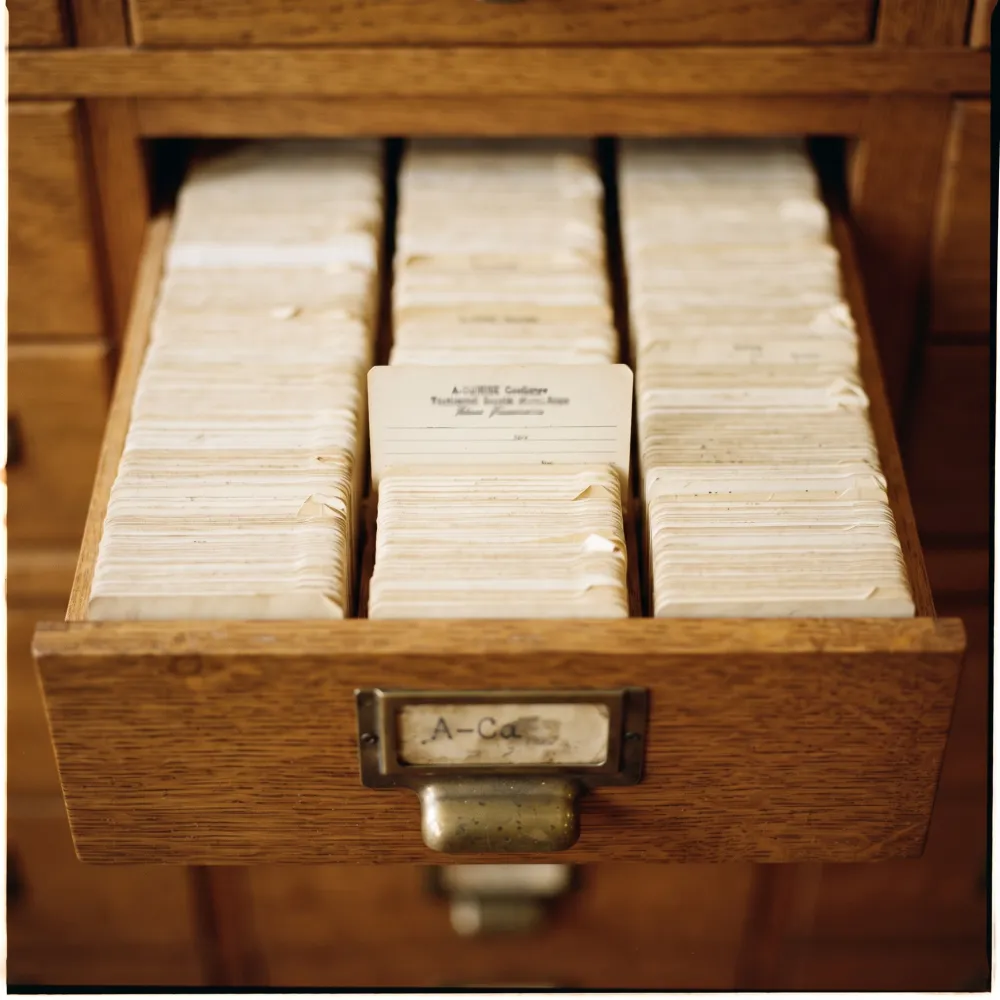
A book of Scottish prophecies, first published in Inverness in 1877 and never out of print since, is organised not by date or by subject but by whether the predictions came true. Its chapters are verdicts. A reader looking up a prophecy meets it already judged, the evidence filed on the correct shelf before the argument starts.
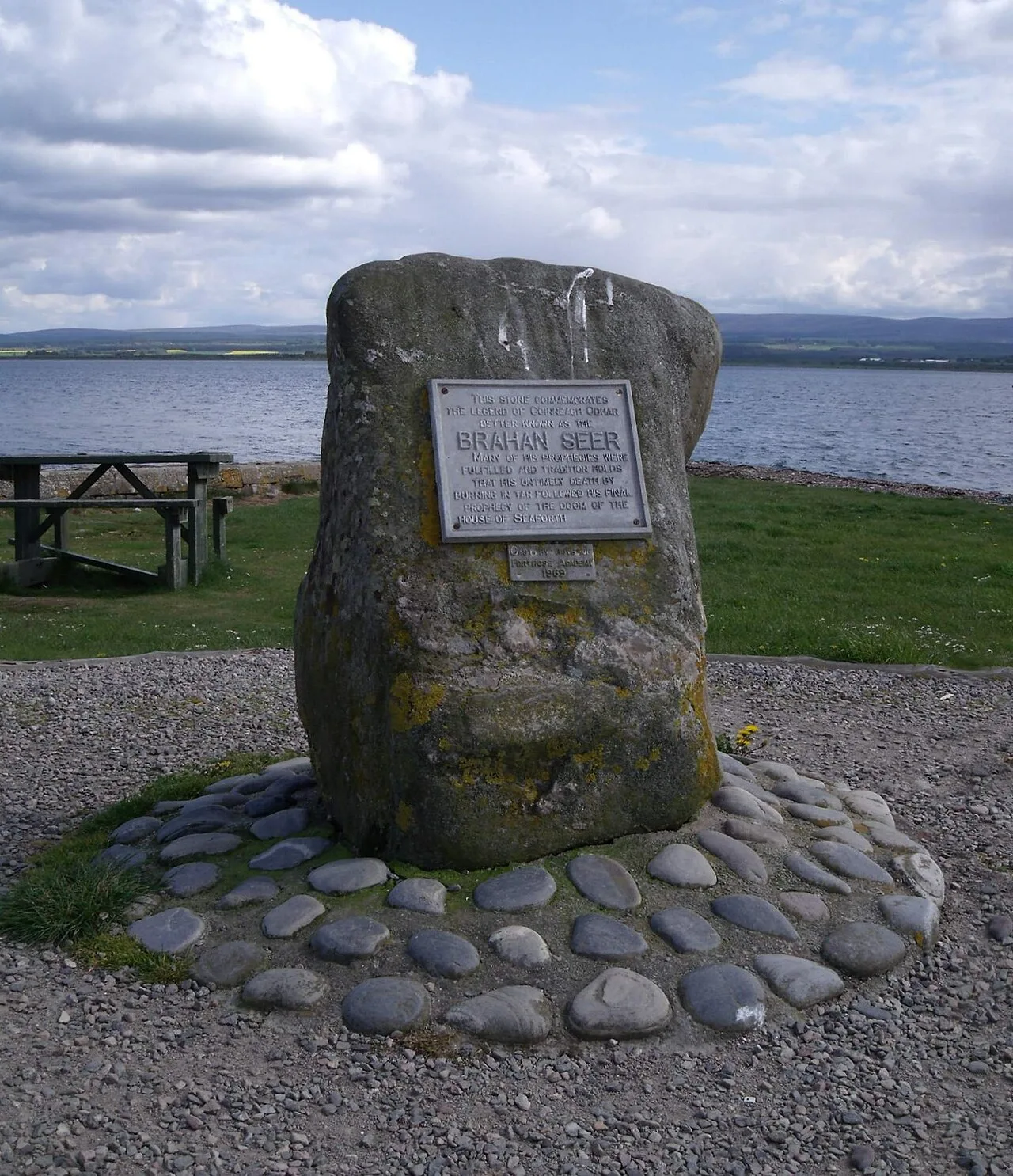
The subject is the Brahan Seer, or Coinneach Odhar, a seventeenth-century Highland figure credited with second sight, which means foreknowledge of events rather than better eyesight. He is often called Scotland's Nostradamus. His sayings circulated orally for roughly two centuries, changing with each retelling, before Victorian writers began writing a version down. The most influential of those accounts was Alexander Mackenzie's The Prophecies of the Brahan Seer, printed at the "Celtic Magazine Office" in Inverness by A. & W. Mackenzie in 1877. Later editions followed, and the book has stayed in print ever since. The full text is on the Internet Archive (archive.org/details/propheciesbraha01ma…) and at Project Gutenberg (gutenberg.org/ebooks/57840); the Public Domain Review has an illustrated collection page (publicdomainreview.org/collection/brahan-seer).
Mackenzie was writing for educated Victorians, and he knew what they thought. In his own day, he notes, that public treats belief in second sight as "unmistakable signs of looming, if not of actual insanity". Yet he allows that the Seer's "extraordinary predictions" are hard to explain away "on strictly scientific grounds". The chapter scheme is his way out of that squeeze. A creed asks to be swallowed; a catalogue can be inspected. By sorting the prophecies into fulfilled, doubtful, unfulfilled and merely shrewd, Mackenzie hands the reader the exhibits and lets the reader do the judging, which is a clever way of presenting marvels while sounding like a man sceptical of marvels.
The origin story shows how little the book wanted for strangeness. In the parish of Uig on the island of Lewis, a woman tending cattle near a cemetery at midnight sees the dead come out of their graves, "from the newly born babe to the grey-haired sage", and scatter. Within about an hour they are all back except one: a drowned Norwegian princess, delayed by international travel. The ghost tells the woman to give her son Kenneth a stone from a nearby lake, and by that means he will have second sight.
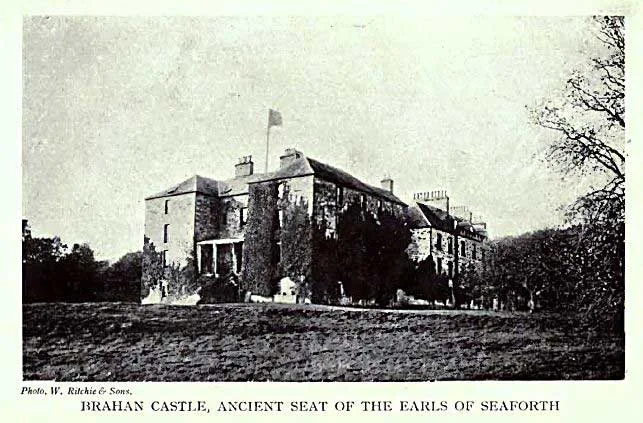
The most famous prophecy is the last. Lady Seaforth, the countess at Brahan Castle, asks the Seer for news of her husband Kenneth Mackenzie, then visiting Paris. He tells her he saw the man "in a gay-gilded room, grandly decked out in velvets, with silks and cloth of gold, and on his knees before a fair lady". She has the Seer burned in a barrel of tar, and dying he foretells the end of the Seaforth male line: the last of them deaf and dumb, all four of his sons dying before him, the estate passing to a white-hooded "lassie from the East".
What interests me is the filing. A saying that moves from the "Unfulfilled" chapter to the "Wholly or Partly Fulfilled" one between editions has not changed; the world has, or the editor has. The heading does the work of the argument, and the reader who trusts the heading has accepted the conclusion before reaching the evidence.