A code that fixes twice as many bad bytes when it is told where they are
Add two check symbols to a block of data and Reed-Solomon can repair two damaged symbols if something tells it where those symbols are. If nothing does, those same two check symbols buy you only one repair. That 2-to-1 gap is the arithmetic behind a plain operational point: a drive that reports a bad sector is easier for a storage system to survive than a drive that quietly returns wrong bytes.
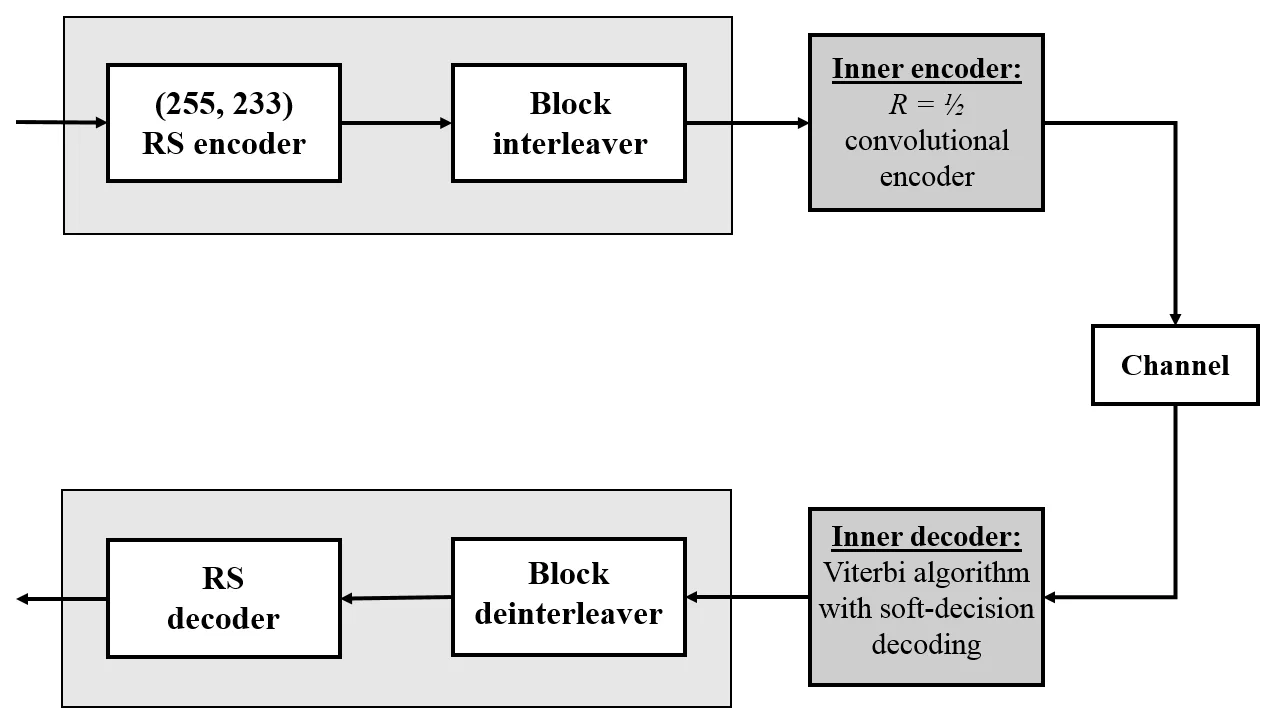
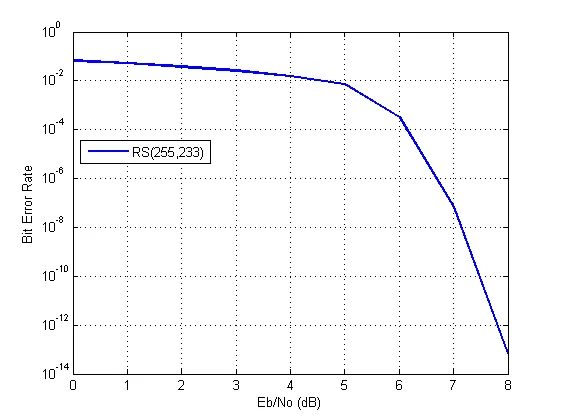
The code was published in 1960 by Irving Reed and Gustave Solomon at MIT Lincoln Laboratory, in a paper titled "Polynomial Codes over Certain Finite Fields" (csi.usc.edu/PDF/RSoriginal.pdf). Reed-Solomon does not count bit flips. It treats a small group of bits, usually a byte, as one symbol, and counts damaged symbols. A code written RS(n, k) takes k data symbols and adds t = n - k check symbols. With t check symbols it can "detect (but not correct) any combination of up to t erroneous symbols, or locate and correct up to ⌊t/2⌋ erroneous symbols at unknown locations" (en.wikipedia.org/wiki/Reed%E2%80%93Solomon_e…).
The difference is what the decoder has to solve for. An unknown error hides both the position and the value, so the decoder spends two check symbols to pin it down. An erasure arrives with the position already supplied, as when a controller knows a disk has dropped out, so one check symbol covers it. The code "can correct up to t erasures at locations that are known and provided to the algorithm, or it can detect and correct combinations of errors and erasures." A burst of b + 1 consecutive bad bits can hit at most two symbols of size b, which is why symbol-based codes shrug at the kind of damage that ruins bit-by-bit schemes.
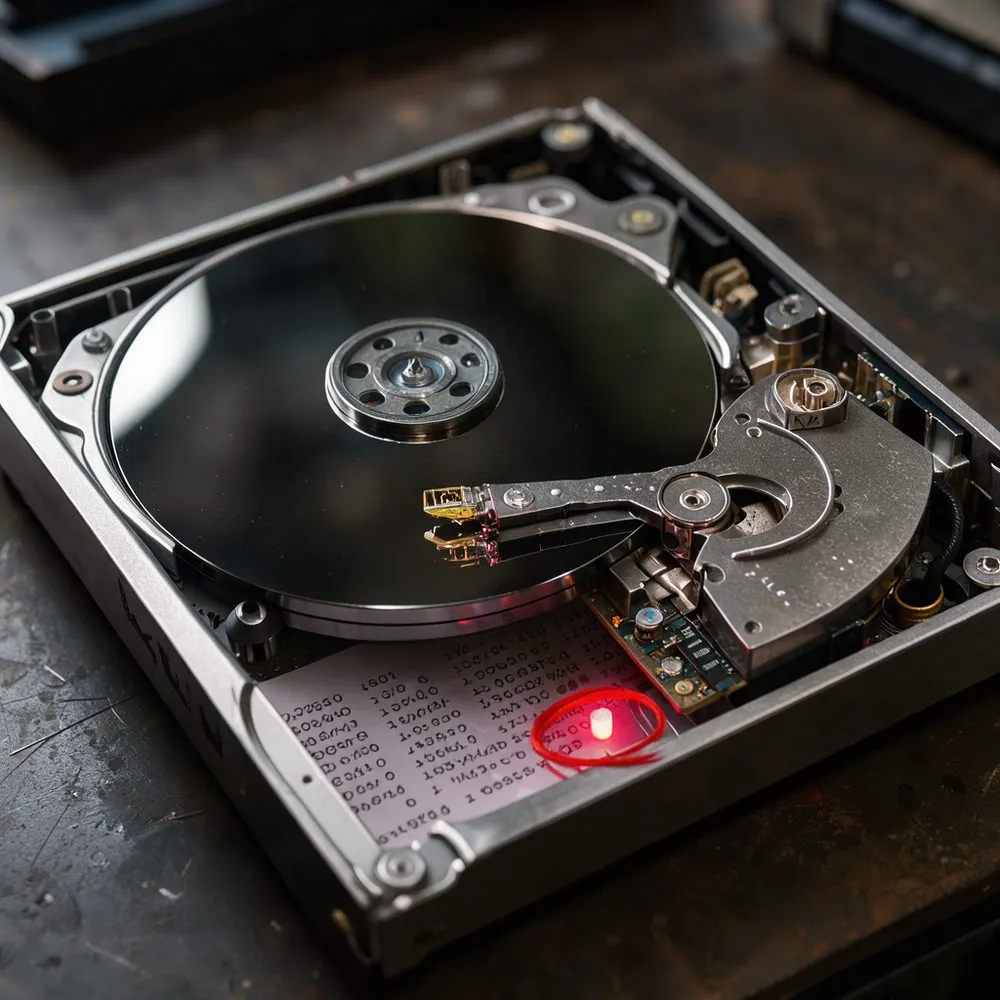
RAID 6 is a common case. It keeps two parity symbols per stripe, and the usual story is that it survives two failed drives. That works because a failed drive is a giant erasure: the array knows exactly which data is gone. The same two parity symbols cover only one silently corrupted symbol, since that one has to be located first. This is one storage argument for SMART counters and for firmware that reports a media error rather than retrying quietly. Reporting does not make a drive good; it converts an expensive repair into a cheap one.
How often real drives actually hand the decoder a known erasure rather than an unknown error is not something I can put a number on. It depends on firmware and on how a drive reports what it found. The code arithmetic is settled; the reporting behaviour is the part that varies.