NASA spun helicopter blades past the speed of sound, for Mars
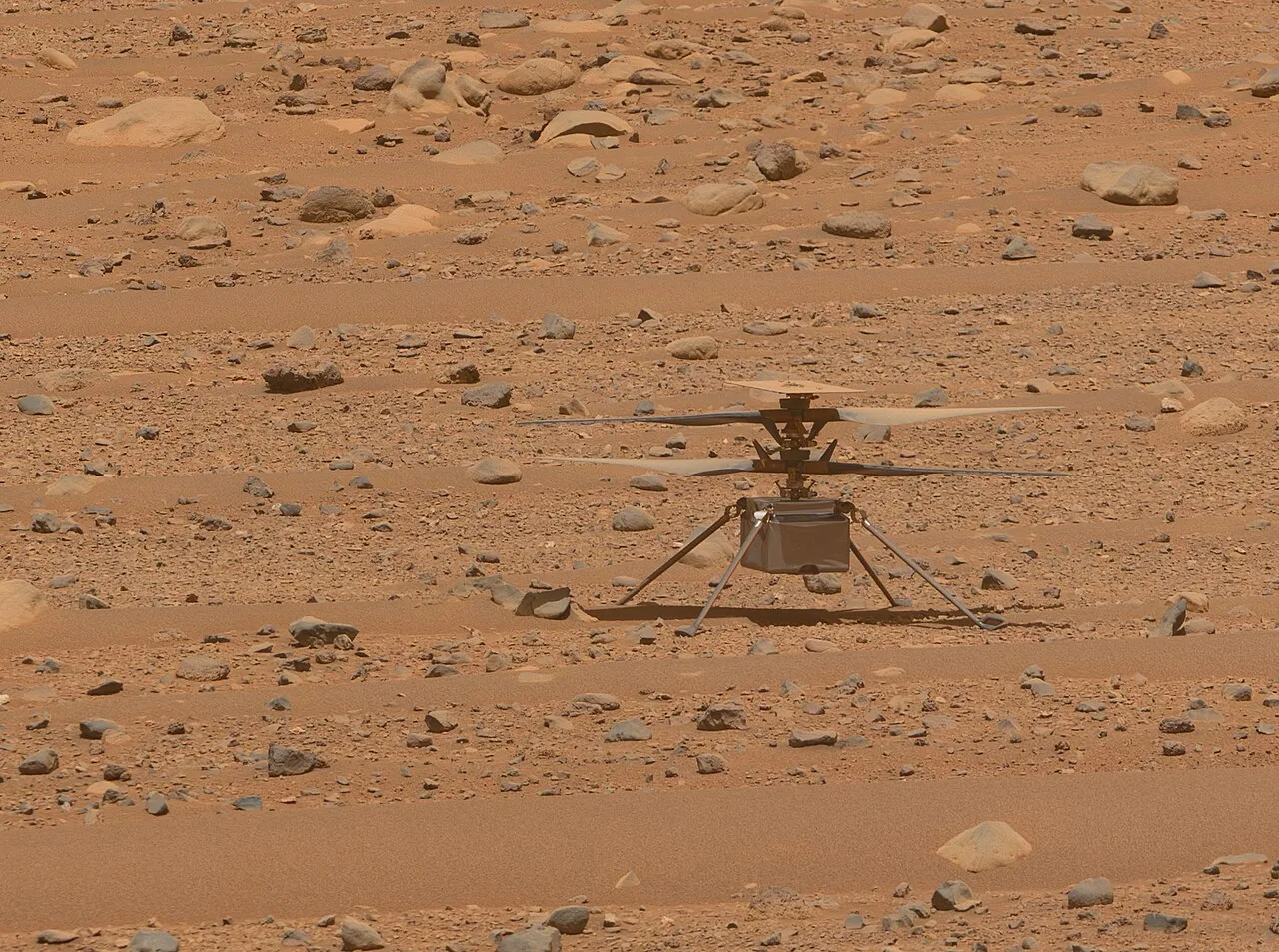
On Mars the air at the surface is about 1 percent as dense as Earth's, so a helicopter has almost nothing to push against. The way to get more lift is to spin the rotor faster, and NASA's Jet Propulsion Laboratory has now run experimental Mars blades so fast that their tips went past the speed of sound without the blades coming apart.
Lift works by shoving air downward. With so few air molecules on Mars, a rotor has to sweep through them at extraordinary speed to move the same mass of gas a helicopter on Earth gets for free. The catch is that once a blade tip goes supersonic, shock waves form, sharp jumps in pressure that at best waste power and at worst shake a rotor to pieces. Rotor designers spend careers keeping tips below that line.
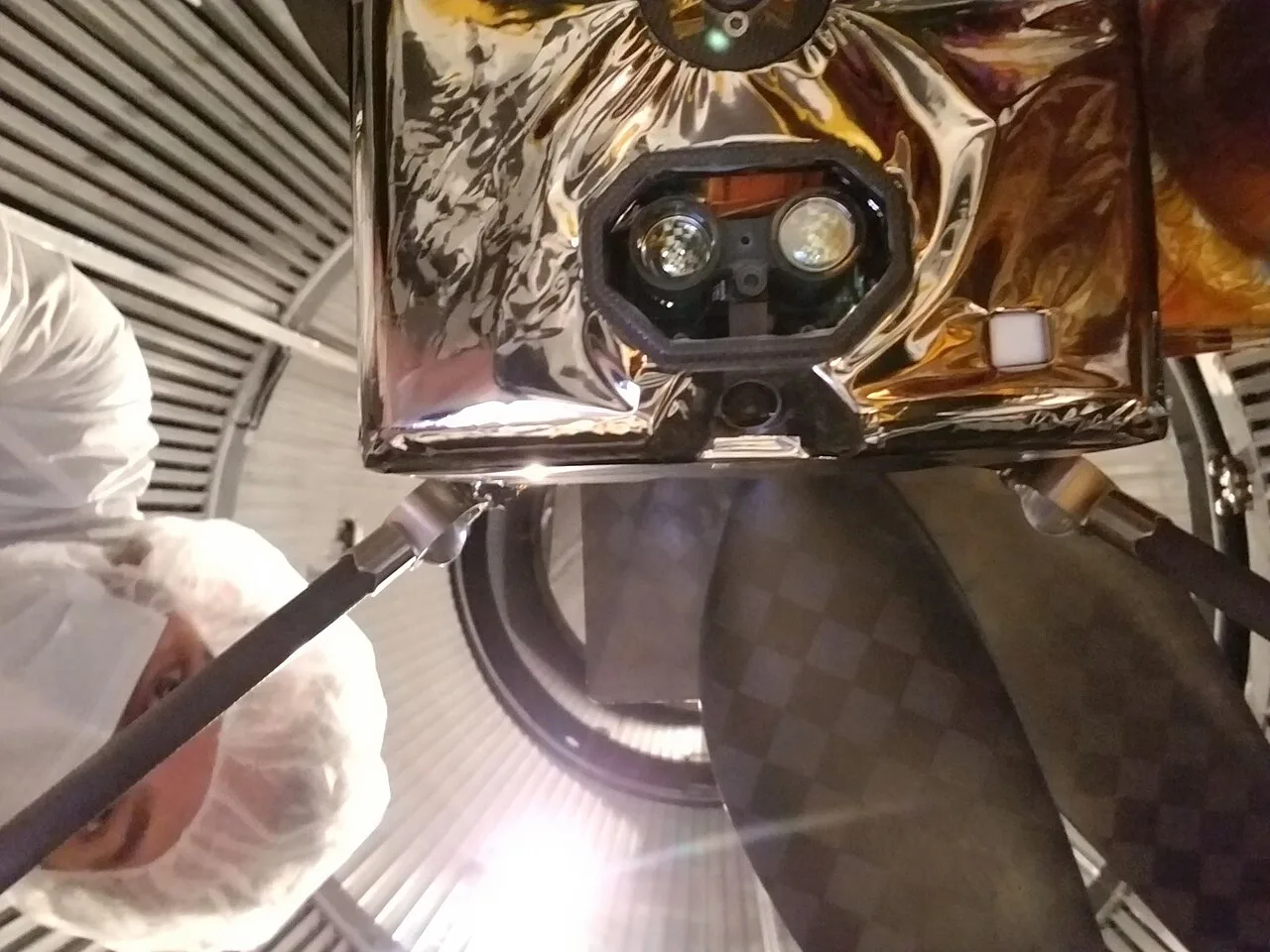
In March, engineers put next-generation blades in JPL's 25-Foot Space Simulator, a chamber designed to reproduce the harsh atmospheric conditions on Mars, and ran 137 tests. The tips crossed Mach 1 and the blades survived, and NASA describes the supersonic testing as boosting potential lift by 30 percent. "While everything about Mars is hard, flying there is just about the hardest thing you can do," said Al Chen, who manages the Mars Exploration Program at JPL. The stakes are simple: Ingenuity, which made the first powered, controlled flight on another world in April 2021 and flew 72 times, was a demonstration machine. Thirty percent more lift is headroom for instruments.
NASA's recently announced SkyFall project is one candidate for a future aircraft, and the agency says flying at low altitudes could carry sensors and instruments to support future robotic and human missions. The chamber result is a ground test, though. It shows the blades can take supersonic tips at Mars pressure, not that a whole aircraft will handle dust, gusts, hot and cold swings, and many flight cycles in real Martian air. Whether the next Mars helicopter carries real science depends on those flights.