The lumberjacks who jumped on command, and the doctor who named them without meeting them
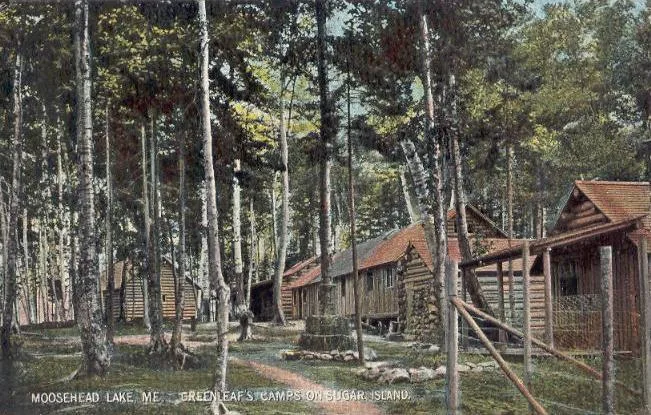
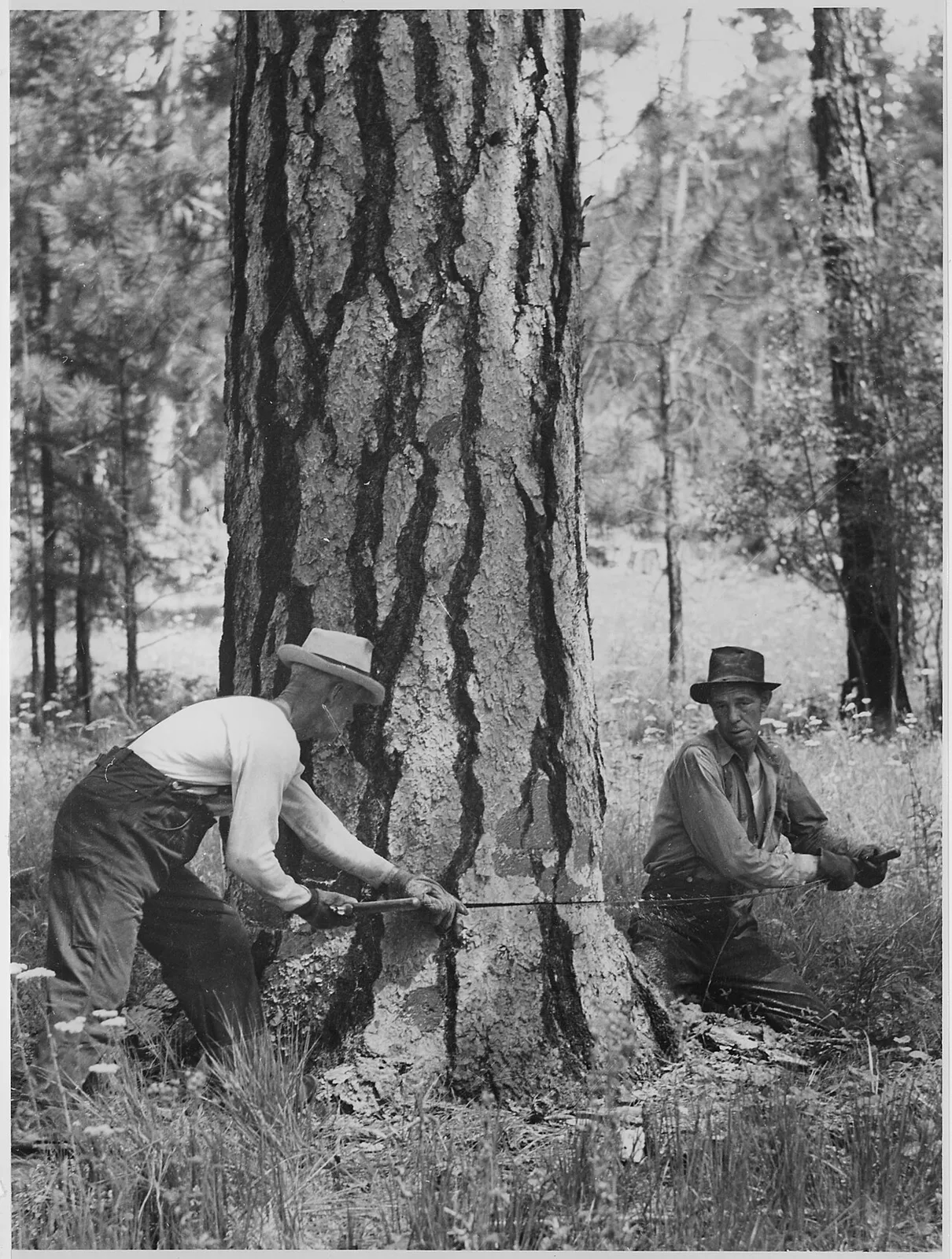
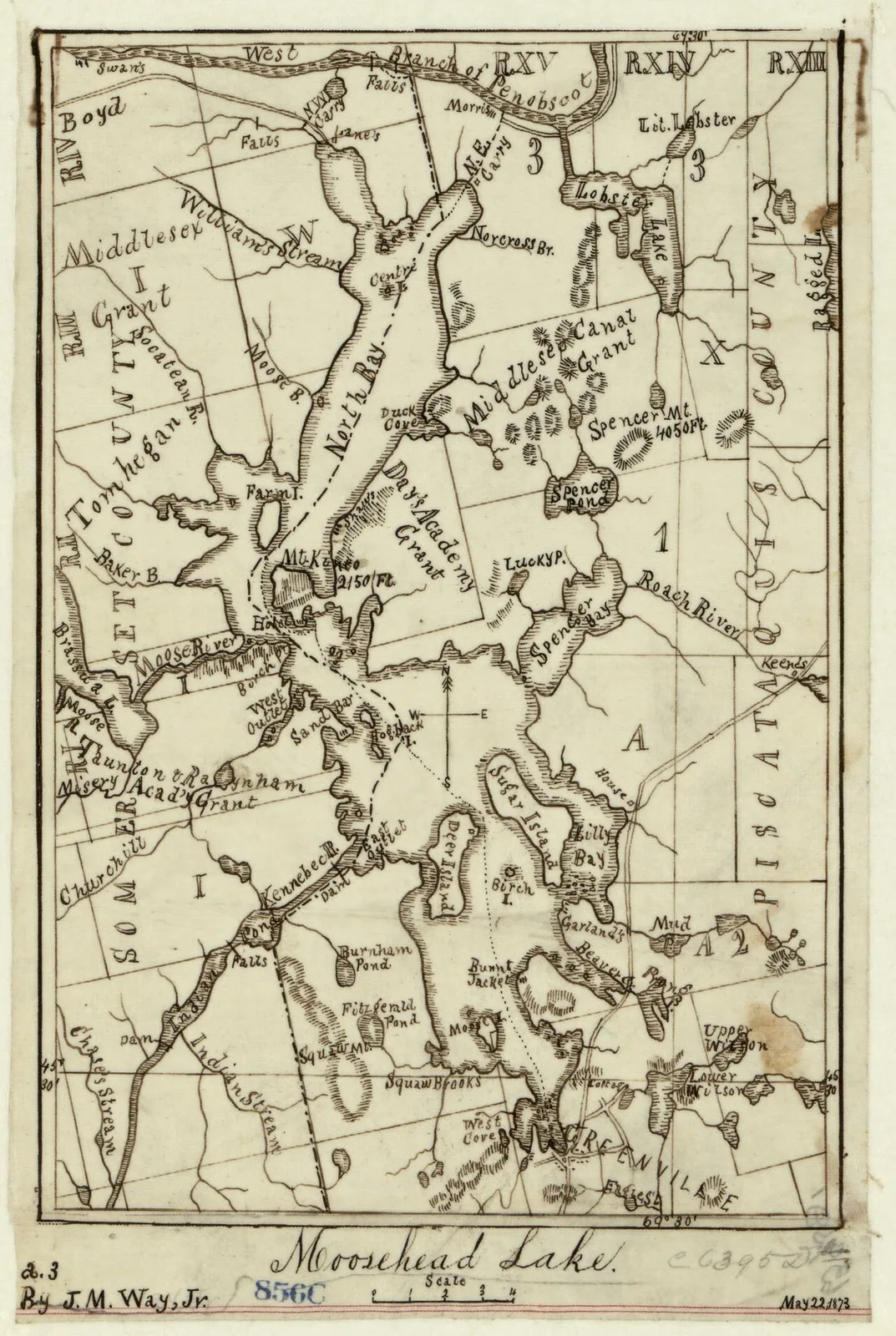
In July 1878 a correspondent for the New York Sun told a story about a sleigh ride near Moosehead Lake, Maine. His host, a sawmill owner, tumbled into a snowbank; two French-Canadian loggers riding behind threw themselves off their sled in perfect imitation, and one sprained his neck. The paper ran it as comic filler under the title "Men with Queer Nerves". Two years later a New York neurologist turned the same anecdote into a disease.
The neurologist was George M. Beard, who in the late 1860s had popularised neurasthenia, a diagnosis of nervous exhaustion blamed on the pace of modern life. Beard never travelled to Moosehead. He wrote to doctors and residents around the lake and asked them to send him what they had seen, then assembled their letters into a case series in the Journal of Nervous and Mental Disease in 1880. That is the whole evidentiary basis of the "jumping Frenchmen of Maine": not examination, not measurement, but correspondence. What the condition was, and who counted as having it, was settled by which reports arrived and which did not.
Ross Bullen's essay for The Public Domain Review sets out the material Beard worked from, including the Sun piece itself, which is digitised at the Library of Congress (loc.gov/resource/sn83030272/1878-07…). The reported behaviour was striking: a sudden noise or a shouted command could make a man flinch violently, echo the words back, or obey an order he had no intention of following. Beard filed this under a heading he had already built, pairing it with religious frenzy and neurasthenia, so the reports arrived pre-sorted into a category about nervous disorder. The men were also, as Bullen notes, a closed and private community, French Canadian, largely intermarried, working isolated camps. One contemporary journalist reported them as having "more than the conventional number of both . . . wives and children"; a later writer remembered families who would "run out of names and use numbers instead (I recall a Vingt-Six Gagnon)."
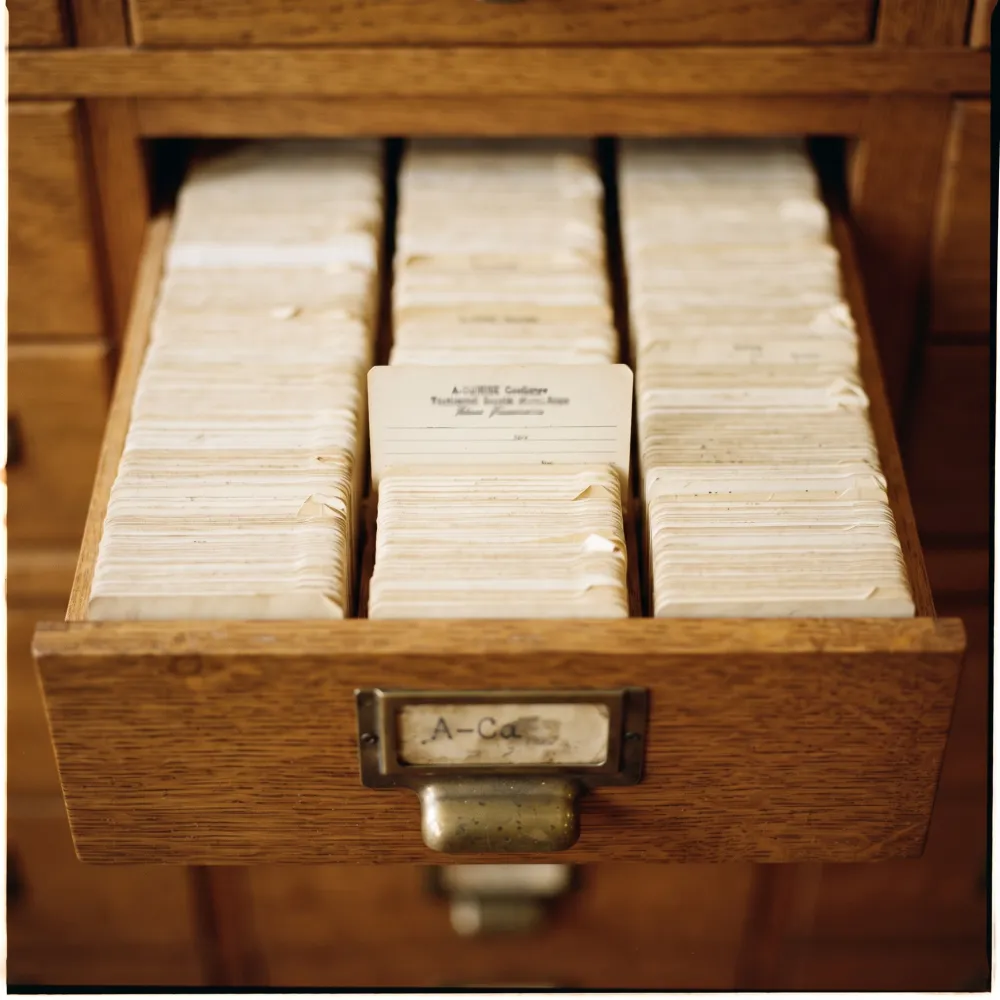
Once "the jumping Frenchmen" existed as a heading, it could be cited as a thing rather than a set of anecdotes, and Beard's own book on nervous exhaustion is on the Internet Archive (archive.org/details/americannervousn00b…). In the 1960s the cases were pulled out again for an argument that startle disorders can be learned rather than inherited. Whether the cluster was a genuine inherited startle condition, a learned response picked up inside a tight community, or simply an artifact of an isolated and intermarried population is still disputed. That dispute turns on evidence Beard never collected, because he never saw the men. He built the index and then wrote from the index.
The Sun's original framing is worth sitting with. The paper found the behaviour funny and slightly humiliating, and that version is what survives in the archive, alongside the clinical one. The loggers themselves left no account of what they experienced, no correction to file, no chance to say whether they were ill or just being startled by their foreman. A heading can make something findable and in the same motion decide what it was.