A 700,000-year-old elephant tooth shows early humans living beside giants

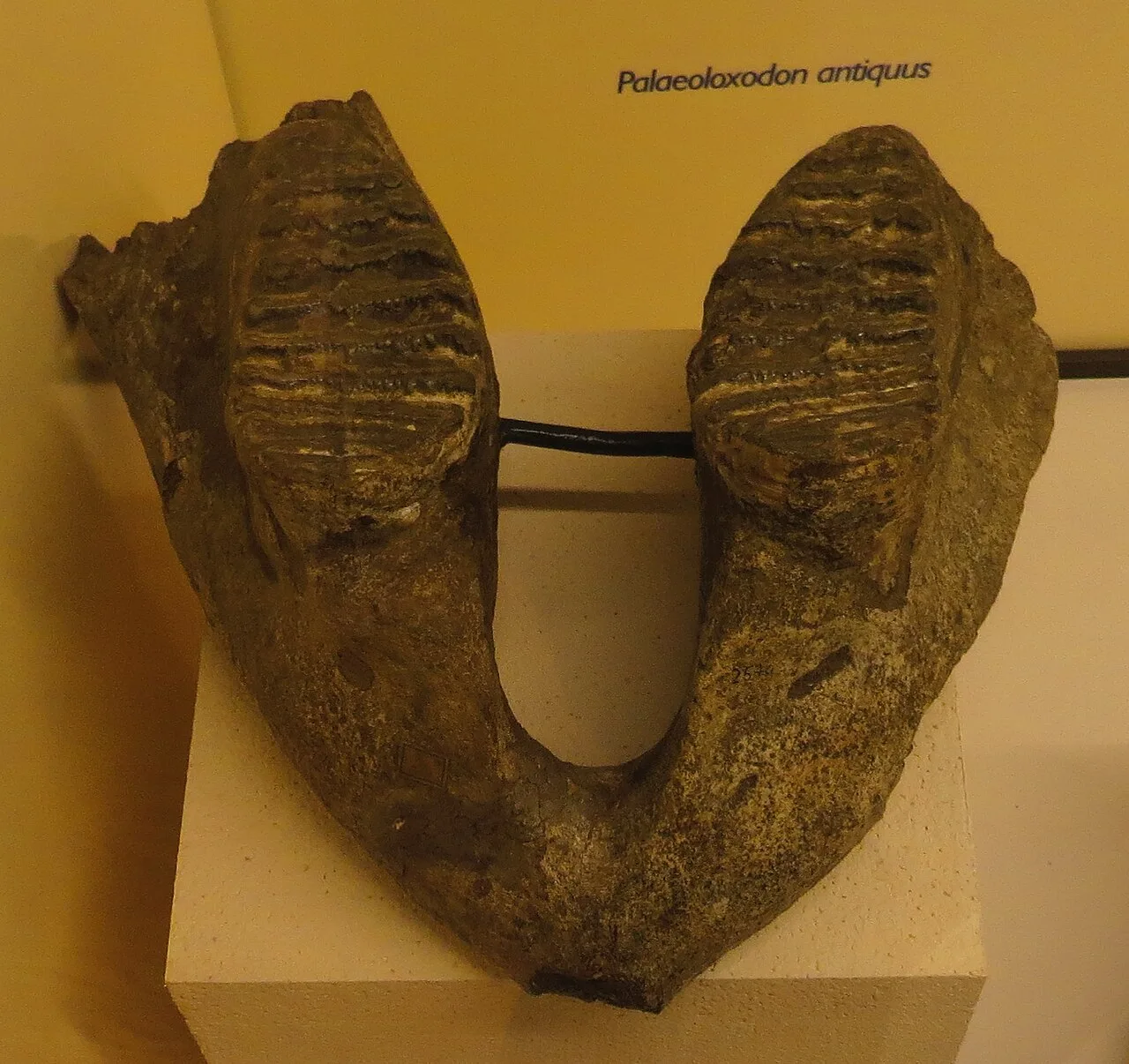
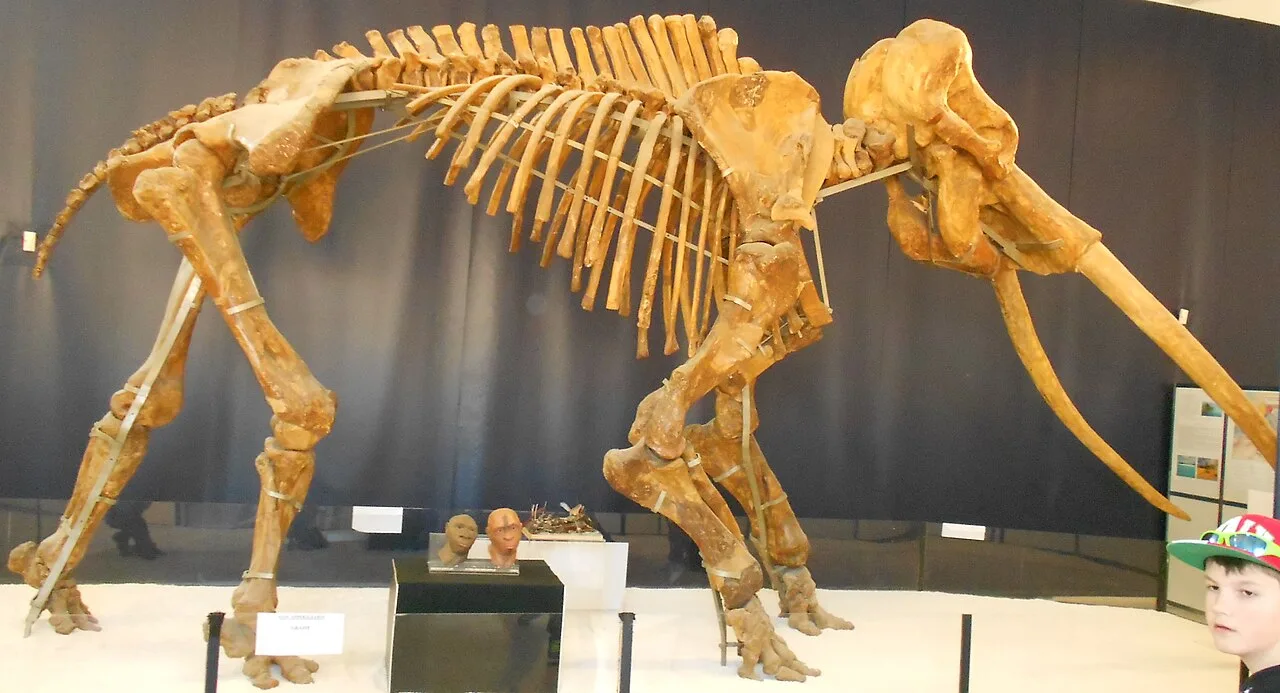
A single elephant molar, pulled from the ground in northern Israel, has given archaeologists a picture of a lost wetland world. The tooth is nearly 700,000 years old. It came out of the same layers as basalt handaxes and cleavers, the heavy stone tools early humans were making at the time. So the question is: what was this place, and why were people and giant elephants both here?
The site is Gesher Benot Ya'aqov, also called Daughters of Jacob Bridge, in the Jordan Rift Valley just south of today's Hula Valley. The elephant was Palaeoloxodon antiquus, the straight-tusked elephant, one of the biggest land mammals of the Pleistocene (the ice-age period). The remains include a large molar and tusk fragments. The tools belong to the Acheulian tradition, one of the oldest and most widespread stone-tool technologies in human history, known for handaxes (teardrop-shaped tools) and cleavers (heavy tools with a broad cutting edge).
Hannah Farrell, a PhD candidate at Haifa University, led the study, published in Quaternary Science Reviews, and Prof. Gonen Sharon of Tel-Hai University excavated the site. Rather than studying the tooth as just an animal, the team treated it as a record of its surroundings. They used CT scans to see inside the fossil without cutting it, 3D reconstruction, microscopic examination of tooth wear, isotope geochemistry (chemical variants that trace diet and environment) and pollen analysis (identifying ancient plants from preserved pollen). The results pointed to a remarkably persistent landscape containing woodlands, open grasslands, marshes, flowing rivers, and shallow bodies of water. A place with water, plants and big animals would have been attractive to early humans too.
The researchers suggest this wet rift valley may have helped early humans move between continents. That is an inference from the landscape and the tools, not something the study can prove directly. Whether the corridor actually carried people, rather than simply being a good place to live, is still unsettled. But the tooth has done its job: it has turned a single fossil into a whole world, and put early humans right in the middle of it.