DDN will sell its supercomputer file system as software, but you pick from its approved server list
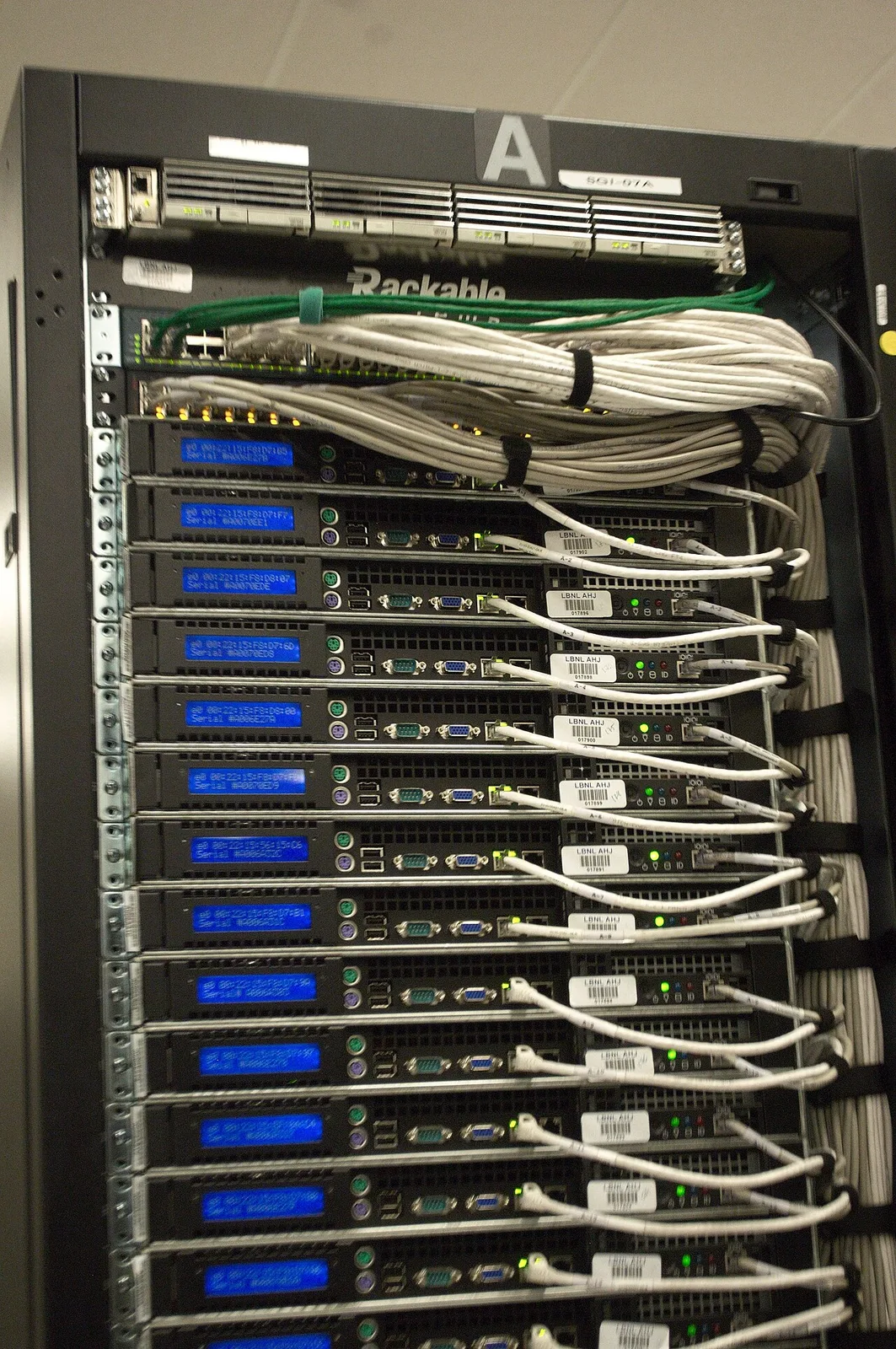
DDN's EXAScaler is a parallel file system, which means storage software that lets hundreds of servers read and write one giant dataset at the same time. That is what supercomputers and AI training clusters need, because a single dataset can be petabytes and every node has to see it at once. Until now, if you wanted EXAScaler you bought a DDN A1400X storage appliance, or an appliance from a qualified DDN partner. The upcoming EXAScaler 7 release will let it run on qualified industry-standard servers instead, starting with DDN's AI2200, with qualified third-party appliances to follow. A beta is planned for early 2027, and the new EXAScaler 7 capabilities are targeted for rollout in the first half of that year.
The word doing the work in DDN's plan is "qualified." DDN still decides which servers make the list, and the need for DDN hardware qualification should limit third-party hardware to high-performance offerings. That is a reasonable position and also the whole catch: if the approved list is short, the lock-in has moved from the appliance to the qualification process rather than disappeared. The practical question for a buyer is whether a third-party box that passes qualification costs less than an A1400X.
It has shared no validated performance data either. DDN's line on this is worth keeping: "Validated performance data will be shared as it becomes available." For a storage product aimed at AI and HPC workloads, that is the figure that matters, and it is not here yet. Parallel file systems live or die on delivered throughput under a real access pattern. A bandwidth number without those is close to meaningless, and at this point there is not even a bandwidth number.
The competitive framing is straightforward. HPE's ClusterStor, its Cray supercomputer storage system, is named as EXAScaler's main on-premises rival, and it has no software-defined version. DDN also competes against NetApp, VAST Data, WEKA and Everpure. Blocks & Files suggests software-defined EXAScaler "could (should) lead to lower appliance prices," which is the right verb choice: it should, and whether it does is untested.
One detail worth noting for anyone tracking DDN's line-up: Infinia, the company's object storage product, is already available in a software-defined format. EXAScaler 7 would make both of DDN's data engines available that way. DDN also says it is working on EXAScaler enhancements in multi-tenancy, performance and data protection. What to watch in 2027 is concrete: which servers make the qualified list, whether third-party configurations undercut the A1400X, and whether the validated performance data arrives with the beta or after it. blocksandfiles.com/file/2026/11/17/ddn-frees-e…