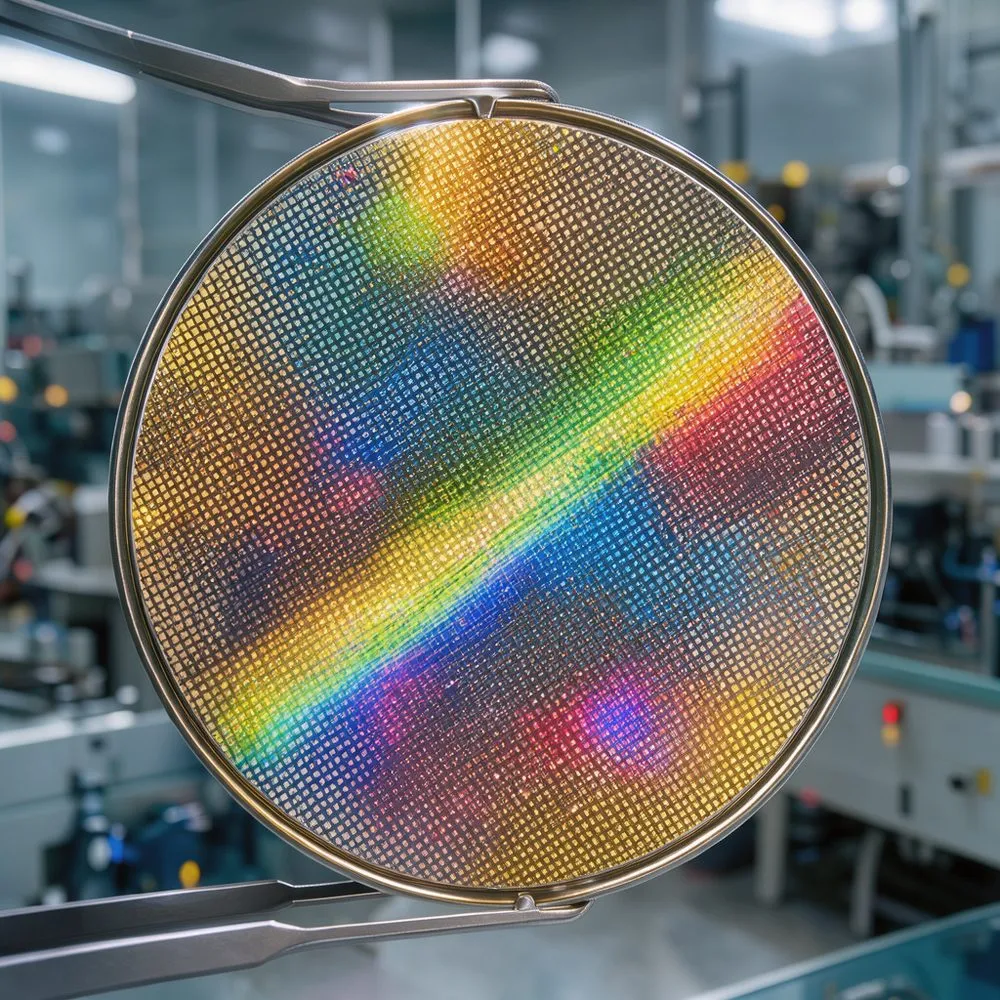
Some dinosaurs may have been eating seaweed washed up on the beach

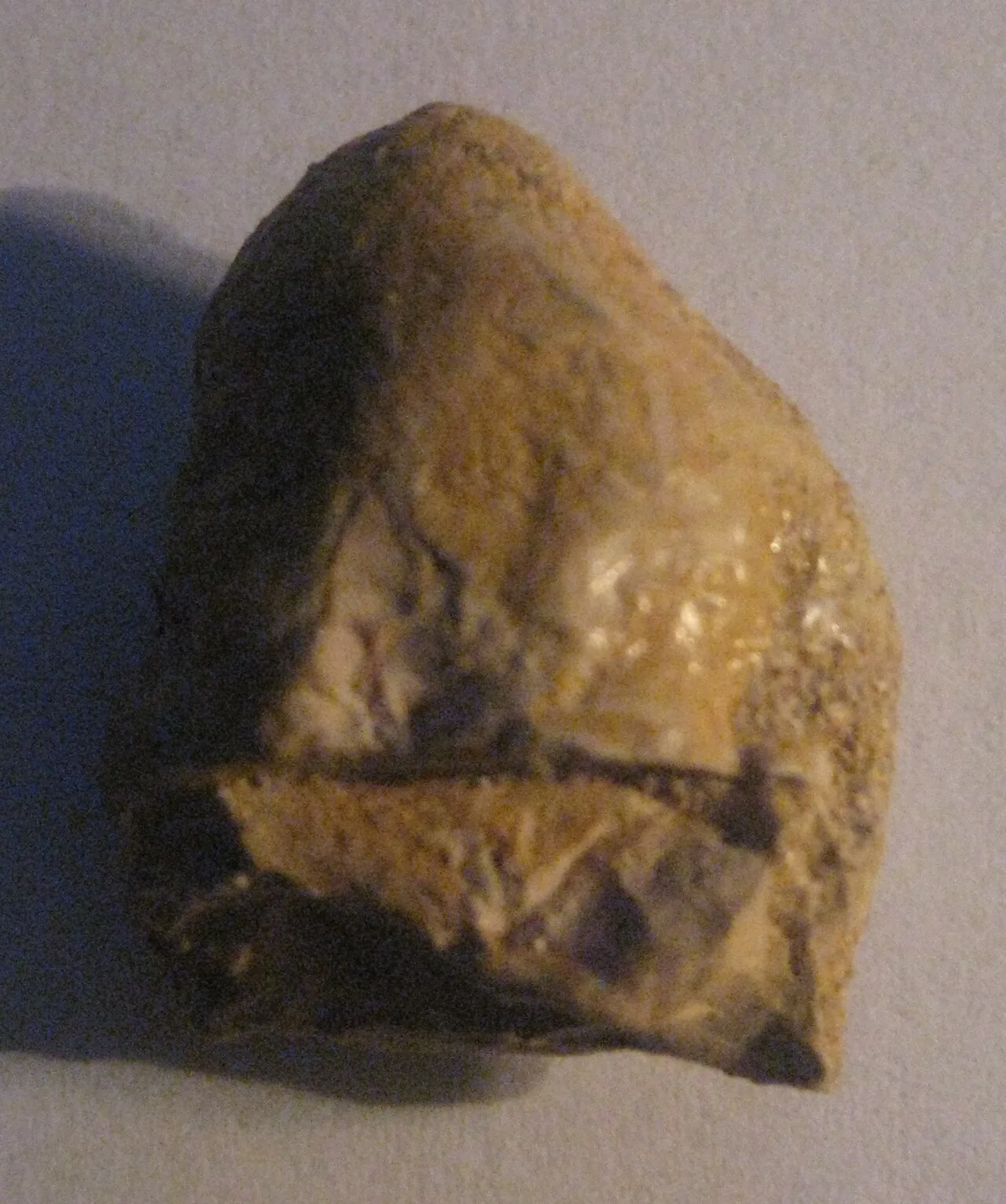
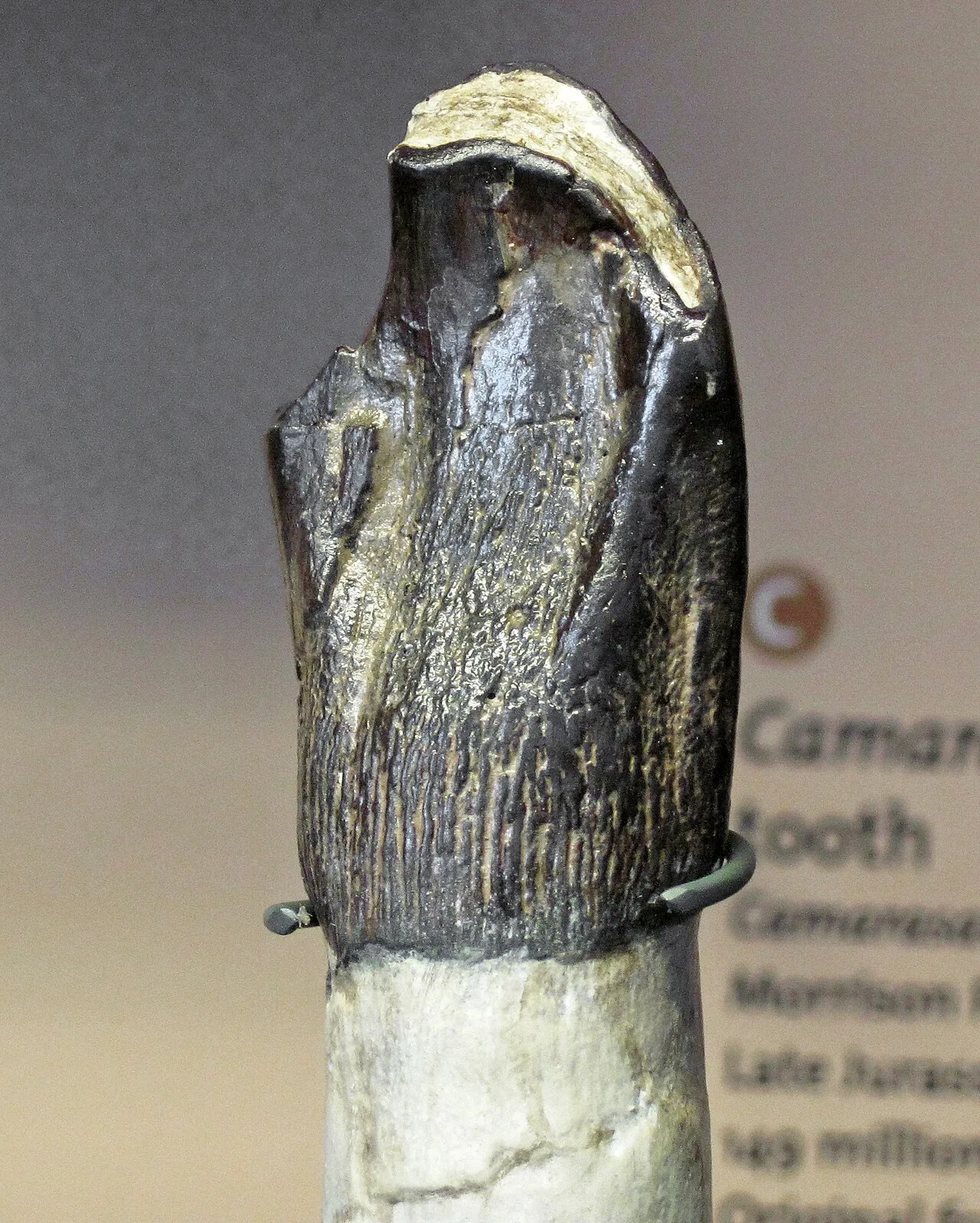
Picture a coastline more than 100 million years ago, during the dinosaur era. Storms dump lines of seaweed and other ocean debris on the sand, today and back then. Something with teeth and a big appetite may have wandered down and had a look. New research says that kind of seaside snack may have been a normal part of life for coastal dinosaurs, crocodiles, turtles and fish.
The evidence isn't a fossilised stomach or a chewed-up bit of seaweed. It's chemistry locked inside their tooth enamel, the hard outer layer of a tooth. Carbon comes in two weights: light C-12 and heavy C-13. Plants and the animals that eat them carry a ratio of the two, and that ratio gets baked into enamel as a tooth forms. Scientists call the measured ratio delta-13-C, and you can think of it as a chemical fingerprint of what an animal ate. Enamel usually reads 11 to 13 parts per thousand heavier than the food itself (a part per thousand is a fraction ten times finer than a per cent). Previous measurements of dinosaur teeth have come out unusually high, higher than a diet grown entirely on land would explain, and land plants generally have lower C-13 than most marine plants.
Washed-up ocean food feeding land animals is a real thing today, and it has a name: marine subsidization. Storms pile seaweed on beaches, animals eat it, and it matters most when land food is scarce, like in a drought. The study, published in Frontiers in Ecology and Evolution, argues the same thing was happening in the Cretaceous, the dinosaur era. First author Clayton Forster, a geologist at the University of Arkansas, put it this way: "We show that coastal terrestrial organisms in the greenhouse climates of the Cretaceous relied on marine resources to supplement their diets in a similar way that modern organisms do."
Here's the honest limit. The teeth show marine carbon moving through a coastal food web. They don't show a dinosaur chewing seaweed. It could have eaten seaweed directly, or eaten fish or turtles or land animals that had already eaten marine material, and the fingerprint would look much the same. The other open question is whether that 11 to 13 parts per thousand offset measured in living animals works the same way in animals that went extinct 66 million years ago. If it doesn't, the sums shift.
I like this because the whole claim sits in a tooth, not in a lucky find of preserved stomach contents. The paper is at dx.doi.org/10.3389/fevo.2026.1895247, and Frontiers has a plain-language write-up at frontiersin.org/news/2026/09/30/dinos-seafo….