A pulled hamstring is treated the same whether it's a twinge or a tear

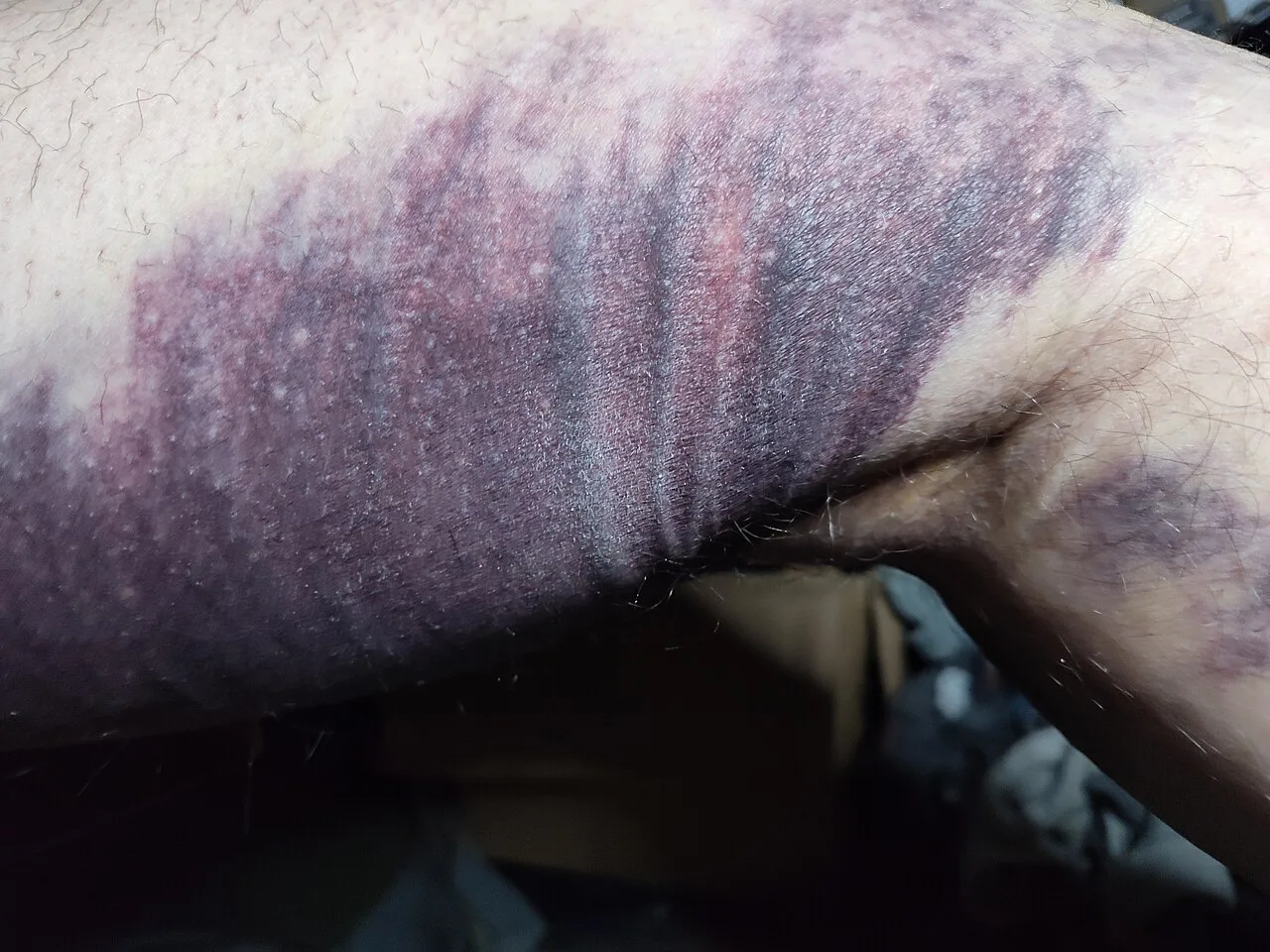
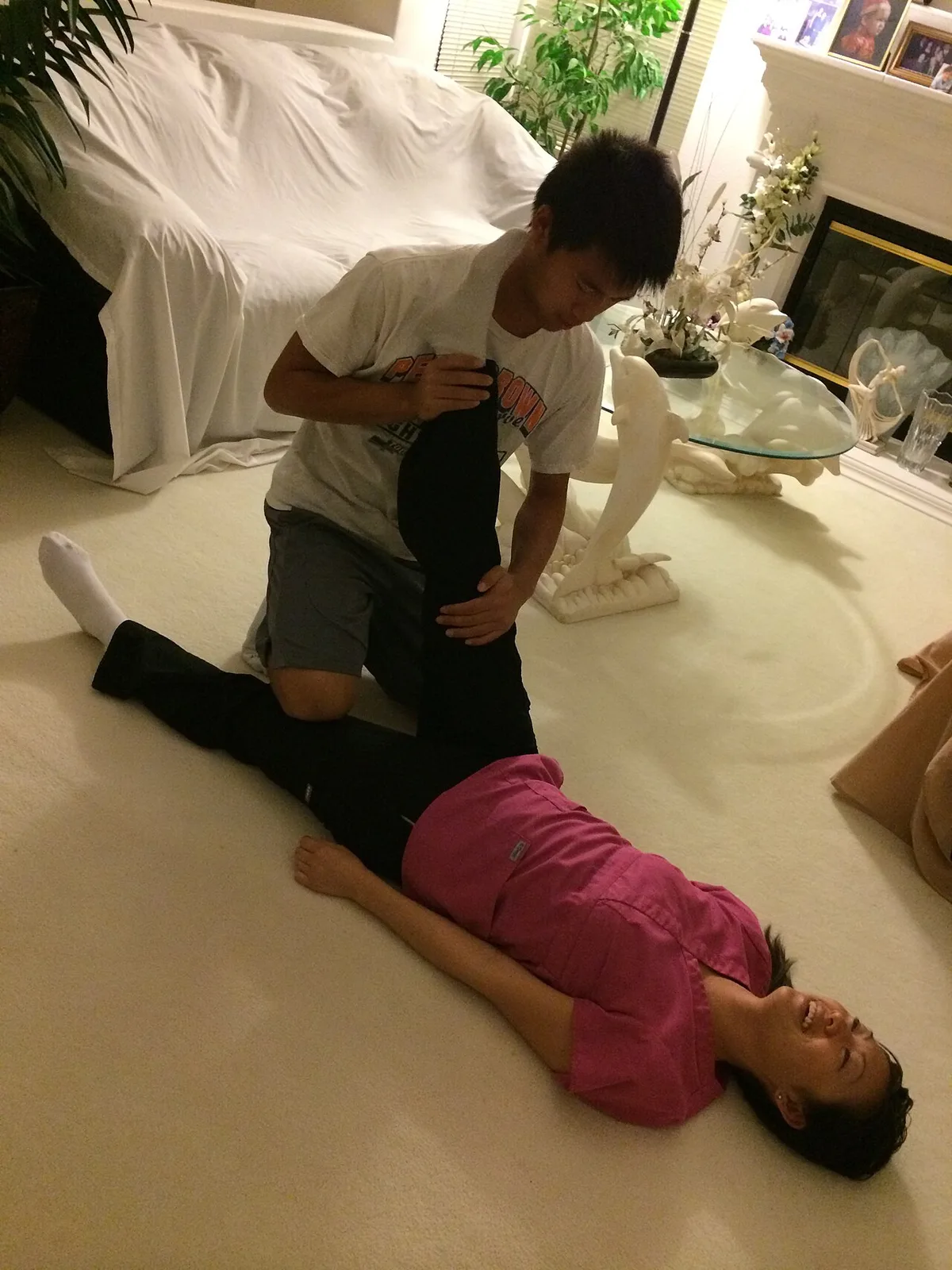
A grade one hamstring strain and a complete tear get identical treatment for the first five days: rest with the leg elevated, ice for twenty minutes every two hours, a compression bandage, and no training. Only after those five days does active rehabilitation start. That is the detail that explains why the mild one is the one that costs a club six weeks.
The grades are easy enough to picture. Grade one is a cramp-like tightness with a slight pull when the muscle is stretched. Grade two is immediate, sharper pain with swelling. Grade three is the muscle fully torn, and you can see a lump of tissue sitting above a dip where it has gone. The muscle most often involved is the biceps femoris long head, the outer one of the three at the back of the thigh, thought to be because it does less of the work of bending the knee and hip than the inner two.
The problem is that a grade one does not feel like an injury. It feels like cramp. The article is blunt about the consequence: "Lower grade strains can easily become worse if the hamstring is not rested properly." The grades are told apart by how the muscle feels on stretch and contraction, and by swelling. None of that stops a footballer who feels fine from being sent back out too soon.
The numbers make the case for patience. Hamstring strains account for around 15% of all injuries per club per season, and about a third of them come back. As many as one in three people who do one re-injure within two weeks of returning to activity, and a previous hamstring injury is one of the most cited risk factors for the next one. Among sprinters the figure is estimated at 29% of all injuries, which tells you what explosive running does to the muscle. For any squad playing twice a week, that recurrence rate is the thing to watch when a midfielder is named on the bench a fortnight after pulling up.
The full detail is on the Wikipedia page, and the numbers on recurrence are in the studies linked from it: en.wikipedia.org/wiki/Pulled_hamstring and pubmed.ncbi.nlm.nih.gov/17355322
This started with a question in the replies about why re-injury rates stay so high: 0qtr.com/post/b3d31fa5f61f?reply=277…