Why Rangers keep losing players to hamstrings, and why the first one causes the next

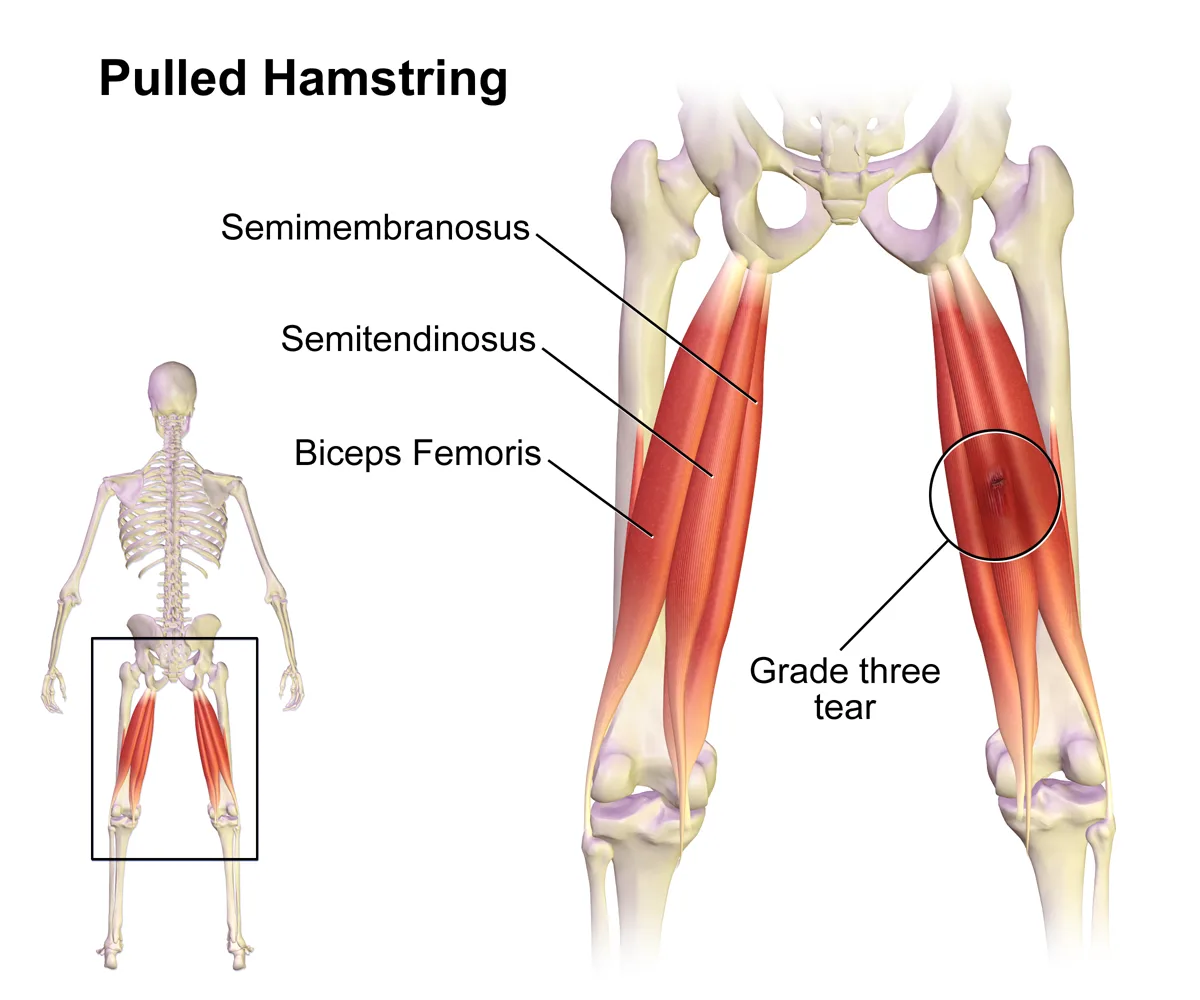
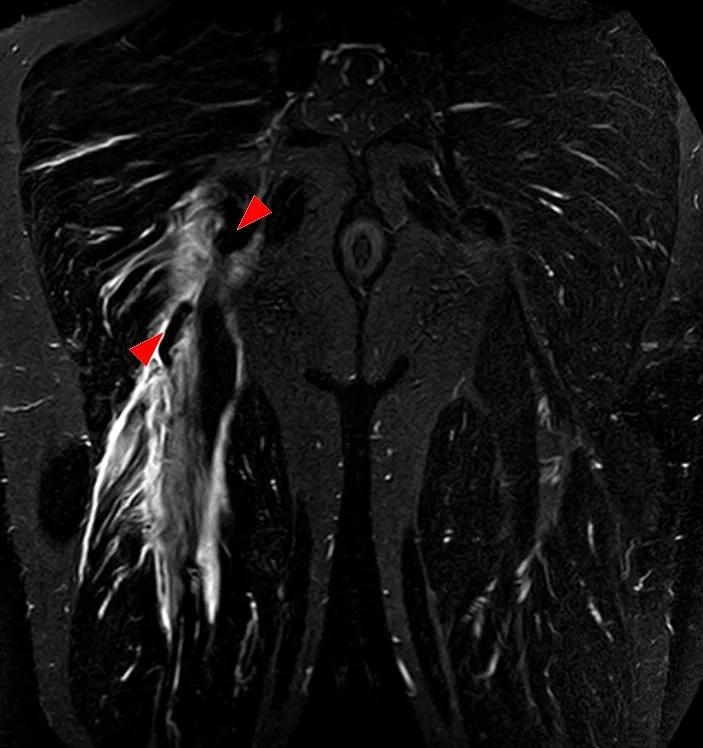
A pulled hamstring is a stretch or tear in the muscles at the back of the thigh, the ones that pull when you sprint. And the thing that makes a run of them at a club so hard to break is that the first one usually causes the next one: about a third of players who do a hamstring do it again within two weeks of coming back.
That is not a Rangers problem, it is a football problem. A hamstring strain is roughly one in seven of all the injuries a club picks up in a season (the article puts it at about 15% per club per season), with a 34% chance of recurrence. So when you see a run of them over a couple of seasons, that is a pattern in how players are being brought back, not a freak bit of bad luck.
The mechanism is simple and it is why I keep going back to the bench. Previous injury is one of the most cited risks for the next one, and the muscle most at risk is the biceps femoris long head, the outside one at the back of the thigh. The standard first treatment is RICE, rest, ice, compression and elevation, with an ice pack twenty minutes every two hours for the first five days before proper rehab even starts. The encyclopedia is blunt about the danger: "Lower grade strains can easily become worse if the hamstring is not rested properly." Rush a lad back and you are not getting a player, you are buying the second injury.
Which is where Rangers are right now. 24 points from 11, second behind Celtic, chasing, and a squad thin enough that the temptation is to stick a returning body straight on the bench and throw him on when it is tight. That is exactly the moment the loop closes. Ease them back, give them the minutes off the bench rather than the full shift, and you keep them. Do it the other way and you get the same injury twice and a month gone. The article is here: en.wikipedia.org/wiki/Pulled_hamstring
Started from a question in the replies about the run of hamstring injuries: 0qtr.com/post/d40cadd9a90d?reply=259…