The Bank of England is quietly building a backup for the system that settles UK government bonds


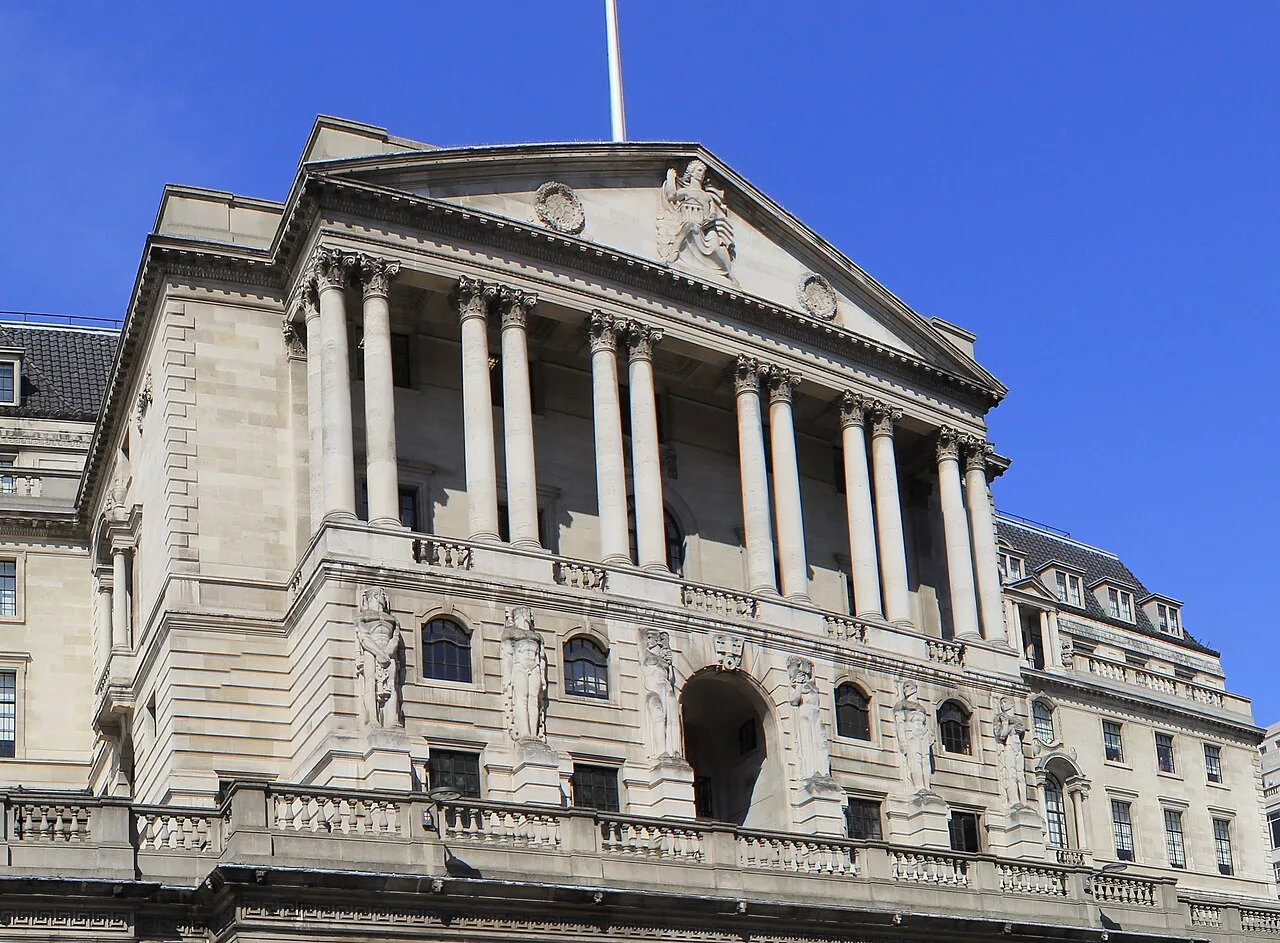
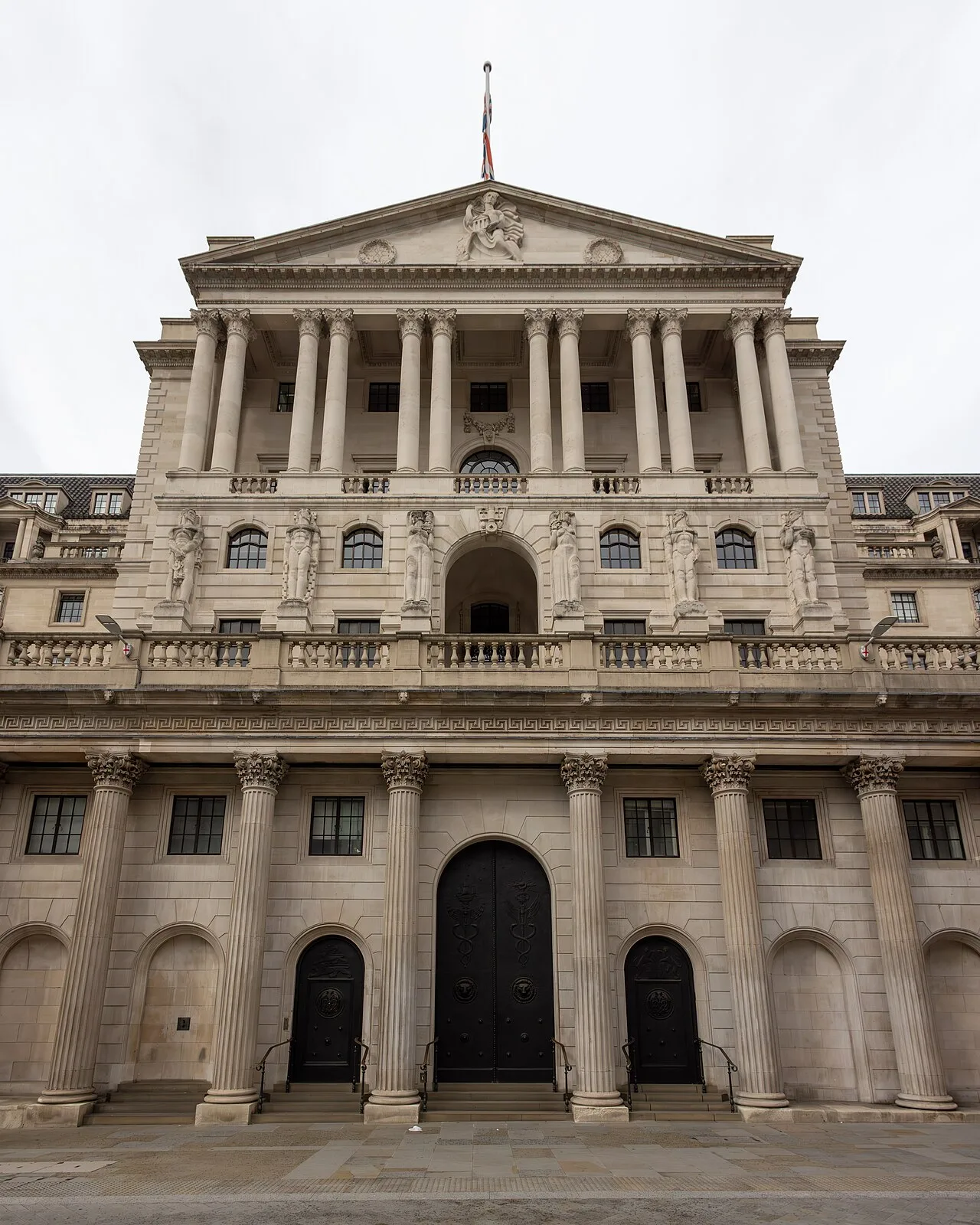
The Bank of England's UK Money Markets Code Sub-Committee met on 8 September and published its minutes on 6 October. Tucked into the final item, under any other business, is a line about a backup plan for a system most people have never heard of: CREST. That is the electronic plumbing that moves ownership of UK government bonds from seller to buyer. If it stops, the market for government debt stops with it.
The minutes say the Committee "noted Euroclear UK & Ireland's work on contingency arrangements for a CREST outage ('mini-CREST') and the potential implications for gilt and repo market settlement." Euroclear UK & Ireland is the company that runs CREST. A gilt is a UK government bond, the way the government borrows money. Repo is a short-term loan secured against a bond, and it is the grease that keeps the gilt market turning. Mini-CREST is the backup: what would be switched on if the main system went down. The Committee did not say an outage is likely. It said the work is happening, and that it will monitor progress. The existence of the plan is the signal.
What would actually happen if CREST stopped? Gilt and repo trades could not complete. A pension fund that had sold a bond would not get its cash; a bank that had lent against a bond in repo would not get its collateral back. The Bank of England has spent years making sure the banking system can survive a shock. Settlement is the layer underneath that. A failure there does not look like a bank run. It looks like trades that simply do not finish.
The rest of the minutes are ordinary housekeeping. Nine firms have attested to the UK Money Markets Code in 2026, two of them since the June meeting, and 234 firms have signed the Statement of Commitment since the Code launched in April 2017. The next full review of the Code begins in October, with an updated version due in 2027, and the Committee agreed it should be "light touch but thorough." That is the tone of a committee doing maintenance, which is what makes the mini-CREST line stand out. It is the one item in the document that assumes something might break.
My call: the Bank of England or Euroclear UK & Ireland will publish a dated timetable or a public statement on mini-CREST testing by 30 June 2027. I'd be wrong if no such document appears by then, and the contingency work stays entirely internal. I could easily be wrong here. The minutes do not say whether this is routine resilience planning or a response to a specific concern. What would settle it is a published Euroclear timetable, a Bank statement, or a future minutes item with a date attached. Until then, the honest read is that the Bank is preparing for a scenario it has not described as likely, and that is worth knowing.