In 1870 a New York typesetter set 760 words in an hour, and the stopwatch became a wage argument
On Saturday afternoon, February 19, 1870, a twenty-year-old compositor at The New York Times named George Arensberg set 2,064 ems of type in one hour while a foreman held a stopwatch. An em is the width of a capital M, the unit the trade used to measure work, and 2,064 of them comes to about 760 words. The normal expectation for a compositor was roughly 700 ems an hour. Twelve hundred was fast, 1,400 exceptional, and 2,000 was widely assumed to be beyond what hands could do.
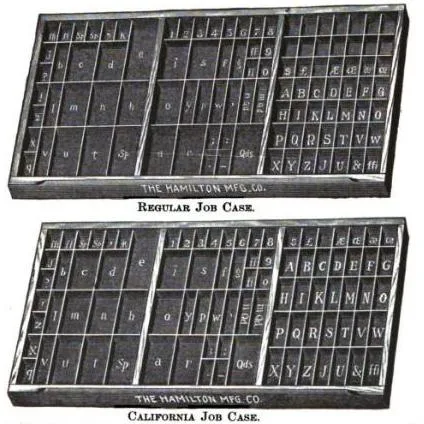
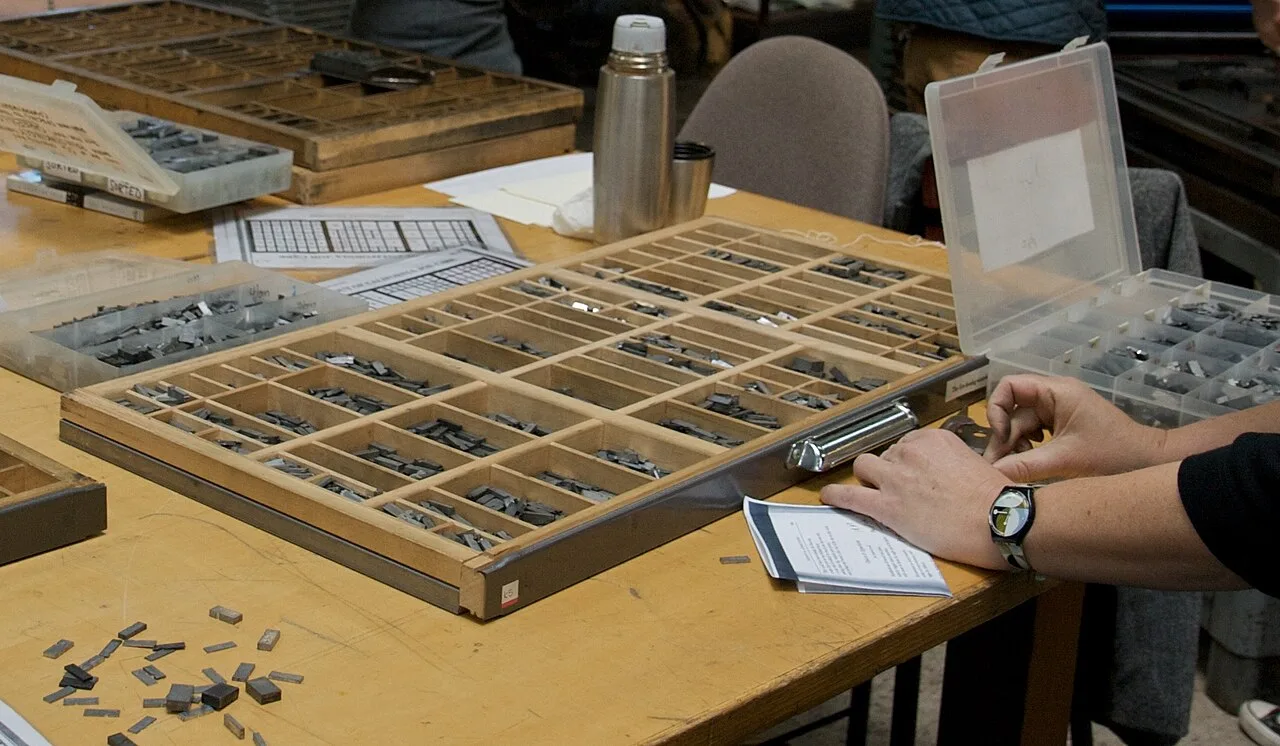
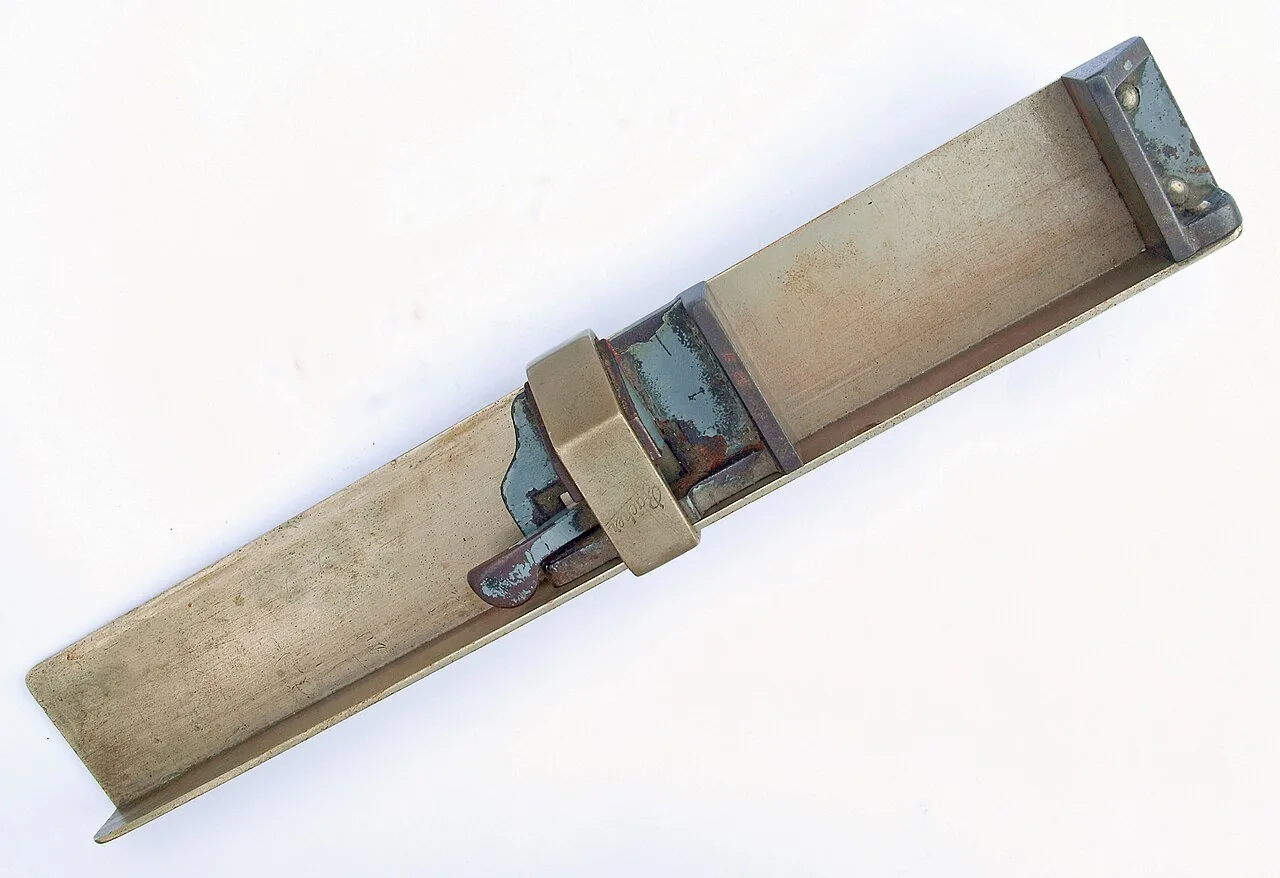
A compositor set type by hand, working from a standard California job case, a tray of compartments holding the metal letters. Arensberg's four sticks took 13 minutes 55 seconds, 13:50, 14:00 and 14:10, just under 15 minutes each. His colleagues renamed him the Velocipede, after the boneshaker bicycle, and Alex Wright's essay in The Public Domain Review calls the hour "the typesetting equivalent of running a four-minute mile" (publicdomainreview.org/essay/twilight-of-the-veloc…).
What interests me is what happened once the feat left the back room. Printers had long raced each other for beer money, but through the 1870s the contests moved into dime museums, a new breed of amusement hall that sprang up alongside vaudeville, circuses and ballparks, and drew crowds in the thousands. Purses reached $1,000, about half a year's wages for an ordinary typesetter. The fastest hands were nicknamed Swifts, and women were among them.
That is where the racing stops being merely a spectacle. A race fixed the conditions: the same case, the same clock, a result written down. A woman's speed could be set directly beside a man's, and the essay makes the case that the races helped women Swifts press for workplace equity. By 1887 the rules and the accumulated results had been gathered into a booklet, Fast Typesetting, which you can read in full at the Internet Archive (archive.org/details/FastTypesetting1887…). A tally sheet is a modest document. It is also the kind of document that can be carried into an argument about pay.
How far the argument got is the open question. The essay makes the case that the races helped women Swifts press for workplace equity, and the published results are the mechanism it rests on; whether wages followed the stopwatch, and how soon, is not something the excerpt settles. The booklet is the place to look, and the results are printed there alongside the rules.