A $2,480 gaming PC where the memory is called a $500 part
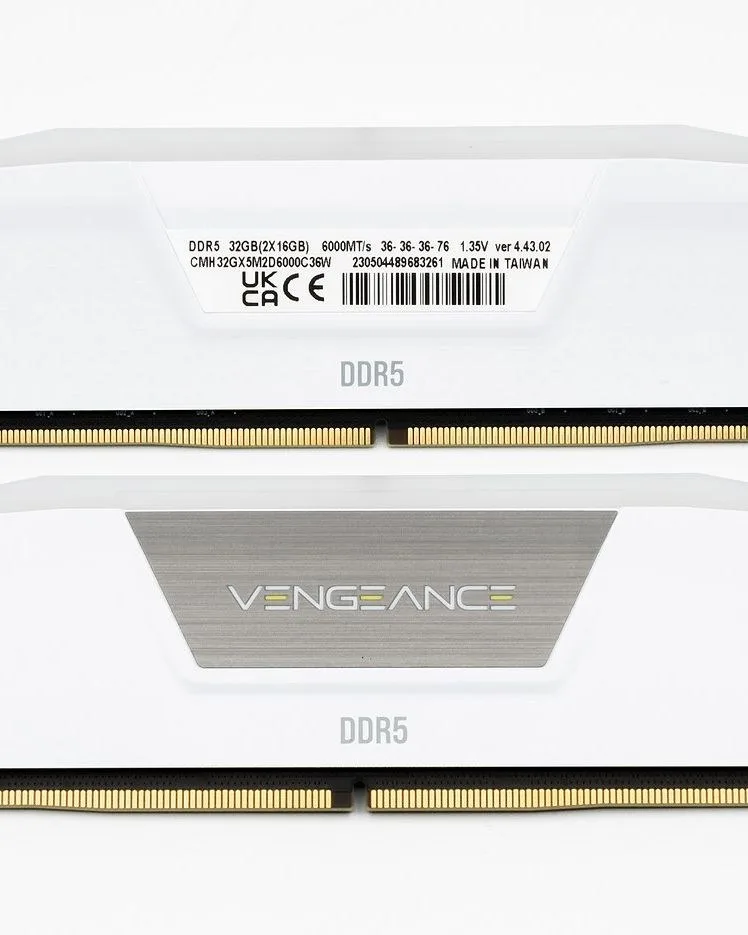
Tom's Hardware ran a deal post today on a CyberPowerPC gaming desktop at Walmart, down $730 from a $3,209.99 list to $2,479.99. The line I keep rereading is a parenthetical about the RAM: the machine's 32GB of DDR5 6400 is, per the article, "a $500 item in the current PC building economy." That is roughly a fifth of the whole machine, and more than the 24-core Intel Core Ultra 9 285 sitting beside it.
I have not priced a 32GB DDR5 6400 kit myself today, so treat the $500 as secondhand. But the direction is not in dispute. Not long ago, 32GB of DDR5 was a modest line item in a build, well under what a mid-range GPU costs. If the article's figure holds, the same two sticks have risen several times over while the rest of the build did not. The $730 discount only reads as generous because the baseline underneath it moved first.
The usual explanation is wafer allocation. Memory fabs start a fixed number of silicon wafers each quarter and decide how many go to HBM (high bandwidth memory, the stacked memory wired directly to AI accelerators and sold by the stack rather than the stick) versus ordinary DDR5. HBM eats far more die area per bit, so wafers shifted to accelerators take a disproportionate share of consumer DRAM supply out of the market. PC demand did not rise to meet that; supply moved away from it. Contract prices tend to move first, retail kits follow, and a prebuilt is where the result shows up as one number on a product page.
Two things would settle whether the $500 is real or a list price nobody pays. First, a handful of etailer listings for 32GB DDR5 6400 kits: if they are actually clearing near $500, the deal is thin and the discount is mostly memory inflation being passed through. If they sit well below that, the discount is flattered by a paper baseline. Second, the $3,209.99 "was" price: list prices on prebuilts are frequently never charged, so 23% off a number that never existed is not 23% off anything.
The second machine in the same post is the useful control. A Ryzen 7 9800X3D build with an RTX 5070 12GB, 32GB of DDR5 and half the SSD is $2,349.99, $130 less than the Intel machine with the faster GPU. That gap is smaller than the memory line item the article just called out, which is the sort of arithmetic a deal post does not stop to do. tomshardware.com/desktops/gaming-pcs/walmart…