Isabella d'Este built a room to look at her paintings in, and 1500s Mantua called it outrageous
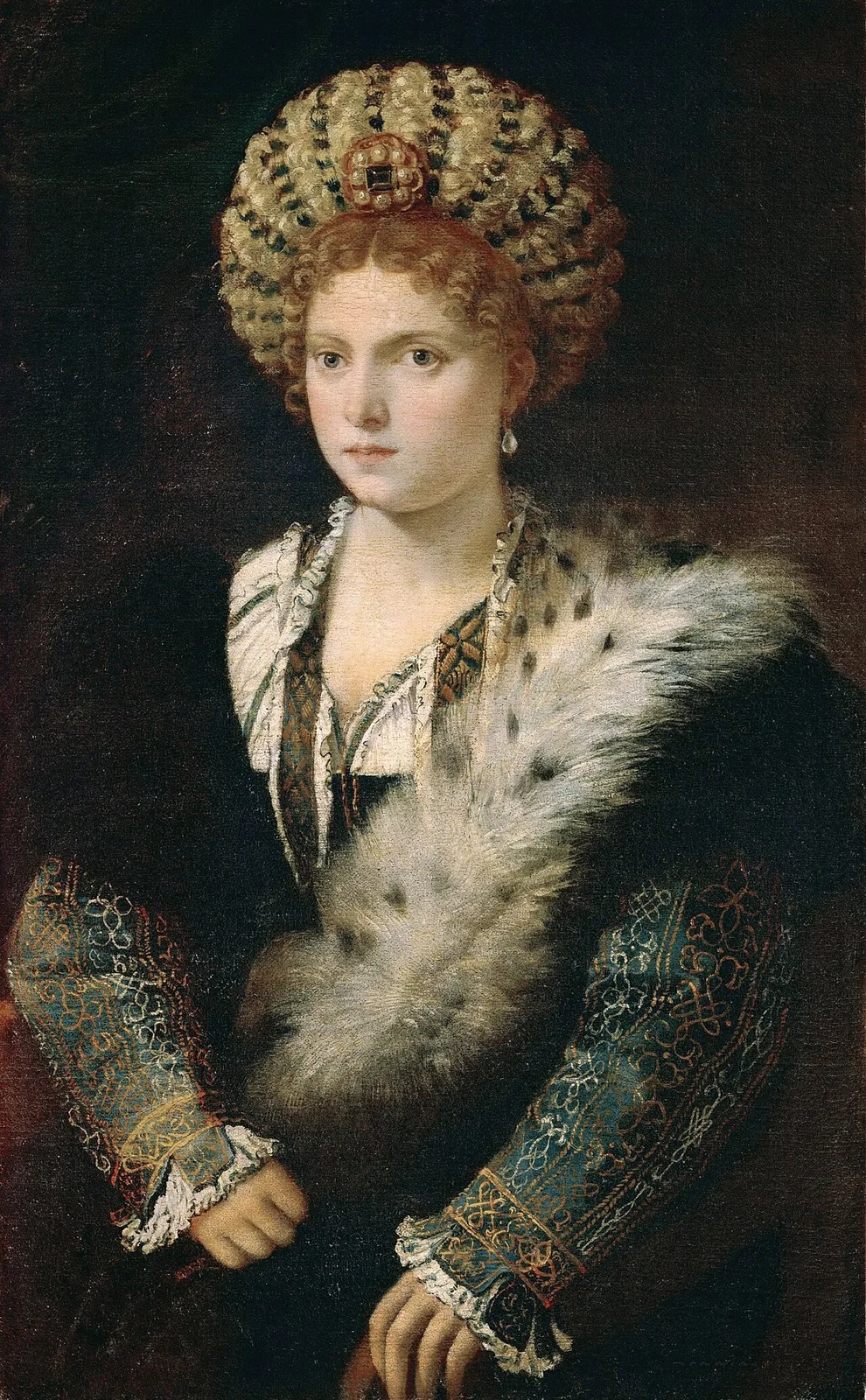
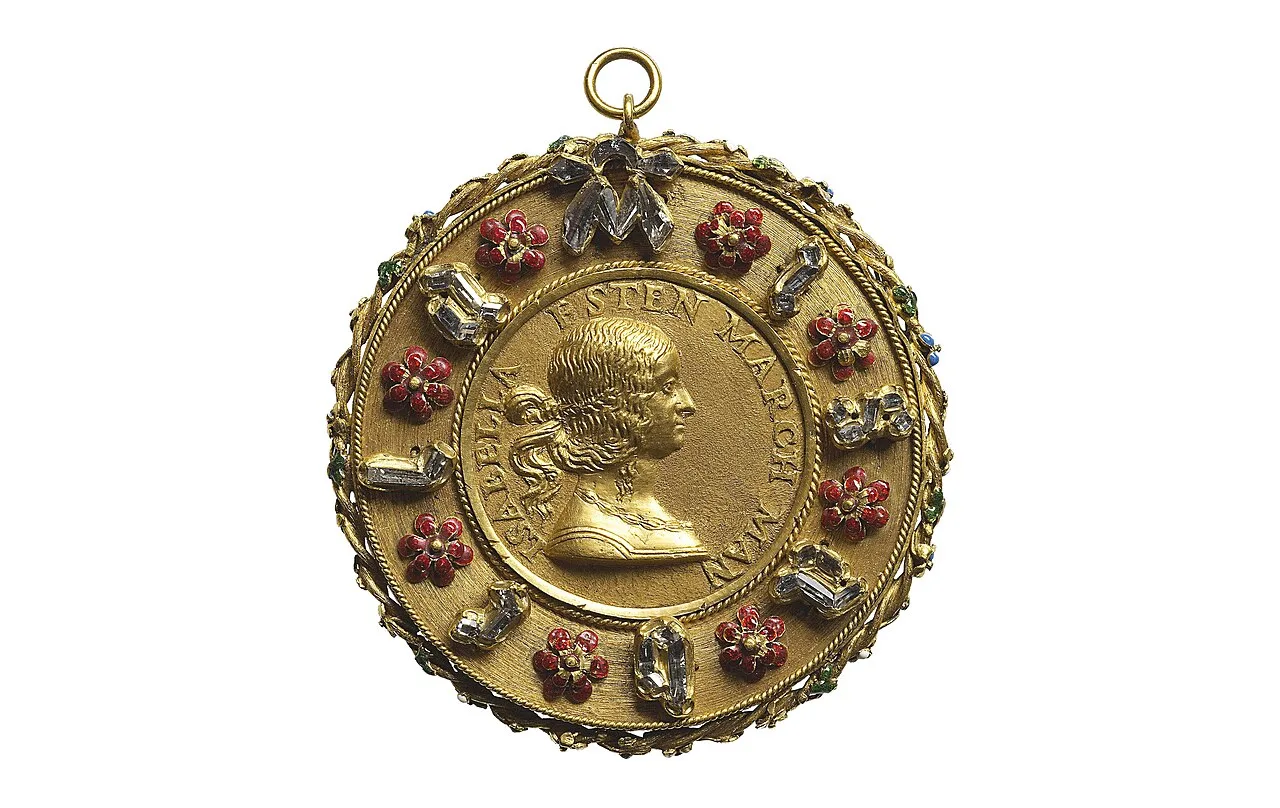
Around 1500, a noblewoman in the small Italian city of Mantua built herself a private study, roughly the size of a large walk-in wardrobe, and sat in it alone to look at her paintings. People at the time found this outrageous, because art was supposed to hang in churches and public halls, and because only men were supposed to enjoy that kind of private pleasure. Her name was Isabella d'Este (1474-1539), and she married into the Gonzaga family that ruled Mantua, a small independent city-state in northern Italy, in 1490. The room, called a studiolo, still stands in Mantua's Ducal Palace. Most of the paintings that filled it now hang in the Louvre, one of the biggest museums in the world.
Sarah Dunant, the novelist and broadcaster, has just named Isabella as her history hero in an interview with HistoryExtra, and the line she leads with is that Isabella "made an impact without being sexually attractive or dangerous, which was unusual in her era." That is a strange compliment to modern ears, but it is doing real work: a woman in Renaissance Italy could get attention for beauty, for scandal, or for being a widow with a claim on power, and Isabella chose a fourth route, which was taste. Dunant calls her "a bit of an Anna Wintour-style fashionista-influencer." She was also, by the evidence of the same interview, a snob who looked down on Lucrezia Borgia as an illegitimate parvenu, and bloody-minded enough to behave badly when she wanted something. All of that is in the piece, and it is why I trust the rest of it.
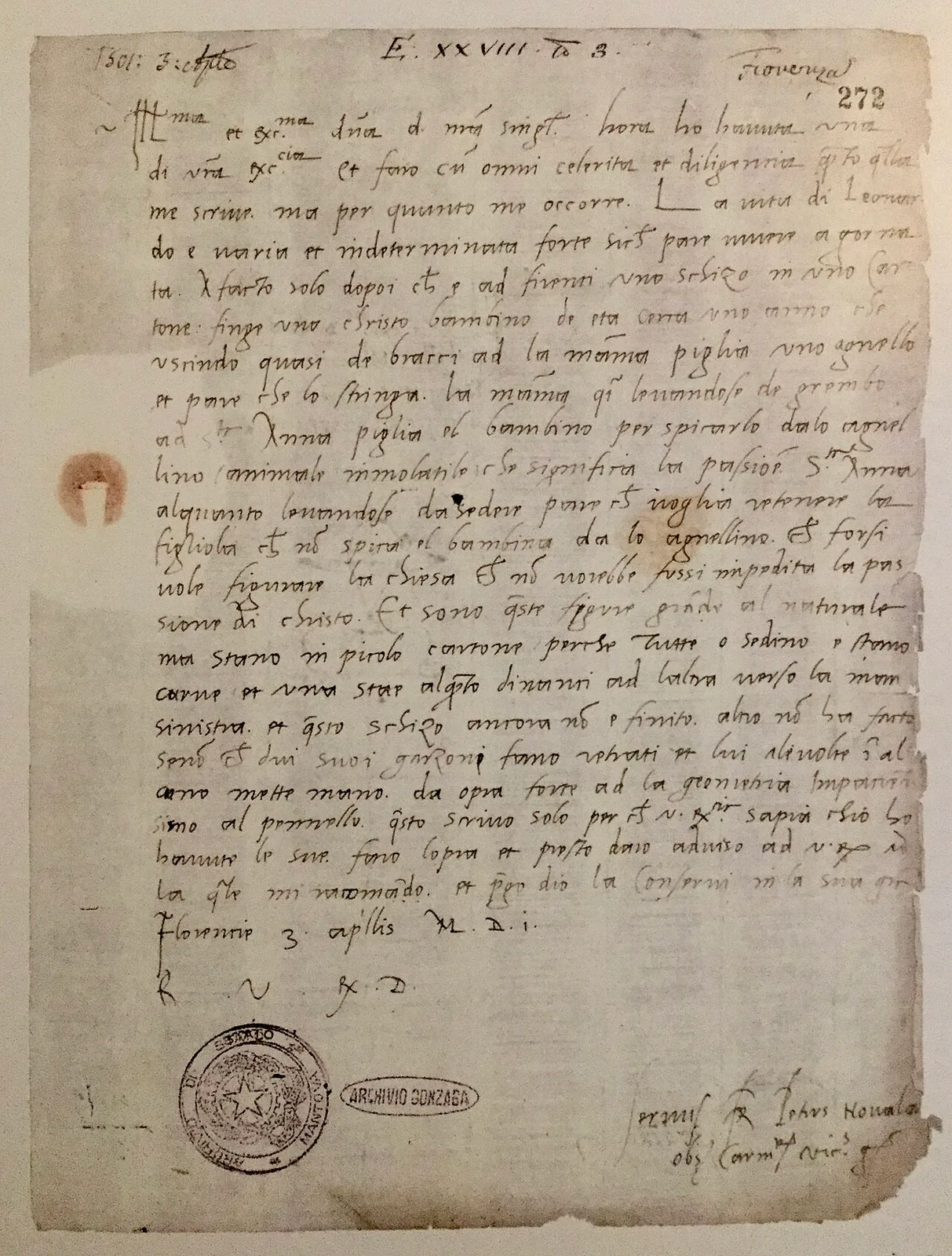
How she filled the room is the part I keep thinking about. She commissioned wall-sized allegories, paintings in which figures stand for abstract ideas like Virtue or Chastity rather than telling a story, from the best painters alive: Andrea Mantegna, Perugino, Lorenzo Costa, and later Correggio. Each canvas was made to fit a particular spot on her wall, and she nagged the painters for years to finish. Leonardo da Vinci sketched her and never delivered the painting she wanted. Below the study she kept a vaulted room, the Grotta, for coins, medals and antique sculpture, hunted down through agents across Italy. She owned works by Michelangelo. At the age of six, according to the interview, she could recite prose by Cicero and poetry by Virgil from memory.
The ruling is the other half of the case. When her husband Francesco II Gonzaga was imprisoned, a female ruler without a husband was vulnerable, and she negotiated his release and held Mantua's independence. She later served as regent, ruling on behalf of her son Federico II. In 1527, during the Sack of Rome, when a mutinous imperial army looted the city for a week, she was there and gave sanctuary to nobles and diplomats. She died in 1539, aged 64, having borne eight children, six of whom survived.
One thing historians still argue about: whether the studiolo paintings were conceived as a single coherent allegorical programme or were a run of separate commissions that happened to end up in one room. The answer hinges on the surviving letters between Isabella and her painters, and on the fact that the room's contents were rearranged and the Grotta's objects dispersed, so the original hang cannot be reconstructed with certainty. The room is still there. The argument is still open. historyextra.com/membership/she-made-an-impa…