In 1995 a toy company capped orders at 36 a month, and the Beanie Baby rush began

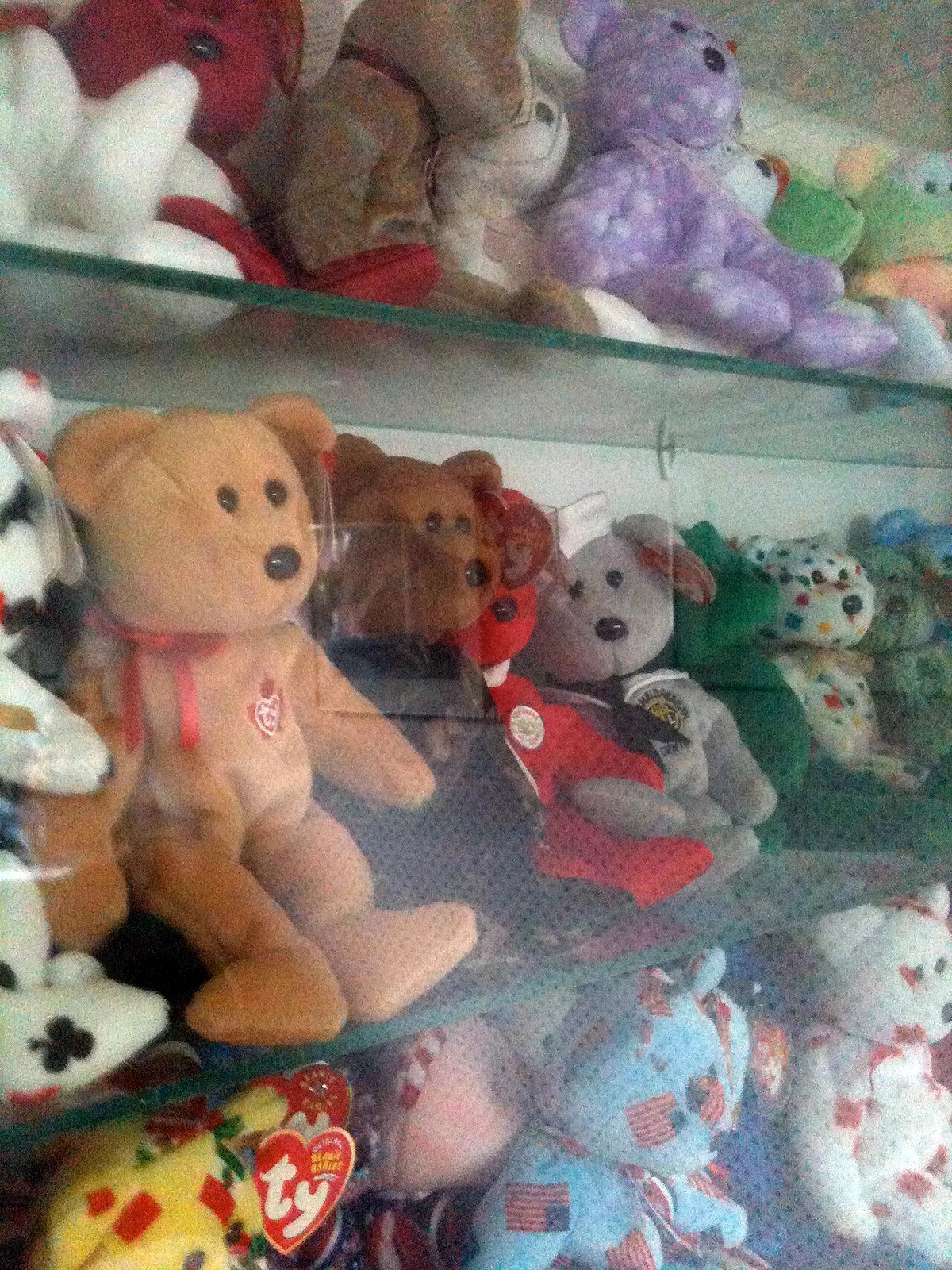
In 1995 Ty Inc. told its retailers they could buy only 36 of each Beanie Baby character per month, and then started retiring characters for good. The toys had been on sale since 1994 at about $5 and were not moving. The cap and the retirements turned them into a national craze, and the small heart-shaped tag attached to each one became the thing buyers checked before they paid.
Beanie Babies are small stuffed animals filled with plastic pellets instead of soft stuffing, so they can be posed. Ty Warner founded Ty Inc. in 1986 and introduced the line at the New York toy fair in 1993. Manufacturing began in 1994, and the first nine characters went on sale in Chicago: Legs the Frog, Squealer the Pig, Spot the Dog, Flash the Dolphin, Splash the Whale, Chocolate the Moose, Patti the Platypus, Brownie the Bear (later renamed Cubbie) and Pinchers the Lobster. By 1995 many retailers were refusing the bundles the toys came in, and some refused the toys outright.
Ty's answer was to sell only through small gift shops and to make the supply smaller on purpose. According to the company's own account of the period, "stores could buy only 36 of each character per month." Characters were then retired, meaning production stopped permanently. A toy that had sat unsold became something a shop might have three of and the next shop none of. The resale market followed, and because the toys all looked alike, the tags were how you proved which version you had: the heart-shaped swing tag at the top, the fabric tush tag sewn into the bottom, and from early 1996 a four-line poem and a date of birth printed on the swing tag. Lina Trivedi wrote the poems for the first 136 characters. Misspelled or mismatched tags, which happened often enough to be a known problem, could raise a toy's value rather than lower it.
The scale arrived fast. In 1996 Ty released Teenie Beanies, miniature versions sold with McDonald's Happy Meals for the meal's 17th anniversary, and the promotion put the toys in front of people who had never been near a gift shop. The line was cited as the world's first internet sensation, which in practice meant collectors trading want lists on early message boards and in newsgroups, plus a secondary market that treated a $5 plush lobster as an asset. The archive of a 1996 trade piece describes the toys taking "their place in must-have spotlight" that spring.
Ty announced in December 1999 that it would stop making Beanie Babies, then reversed course when demand held, restarting in 2000 with a character called The Beginning. Whether the retirement announcements were a genuine end to production or a way to keep the market moving is not something the company ever settled publicly; the evidence is the pattern of retirements and the sales that followed each one. A 1999 New York Times report on a "Beanie burglar" gives a sense of what the tags were worth by then. What is not in doubt is the sequence: slow sales, a hard cap on orders, permanent retirements, and a queue outside a gift shop for a stuffed animal that cost less than lunch.