A $209 board beats the Pi 5 because the Pi 5 doubled in price

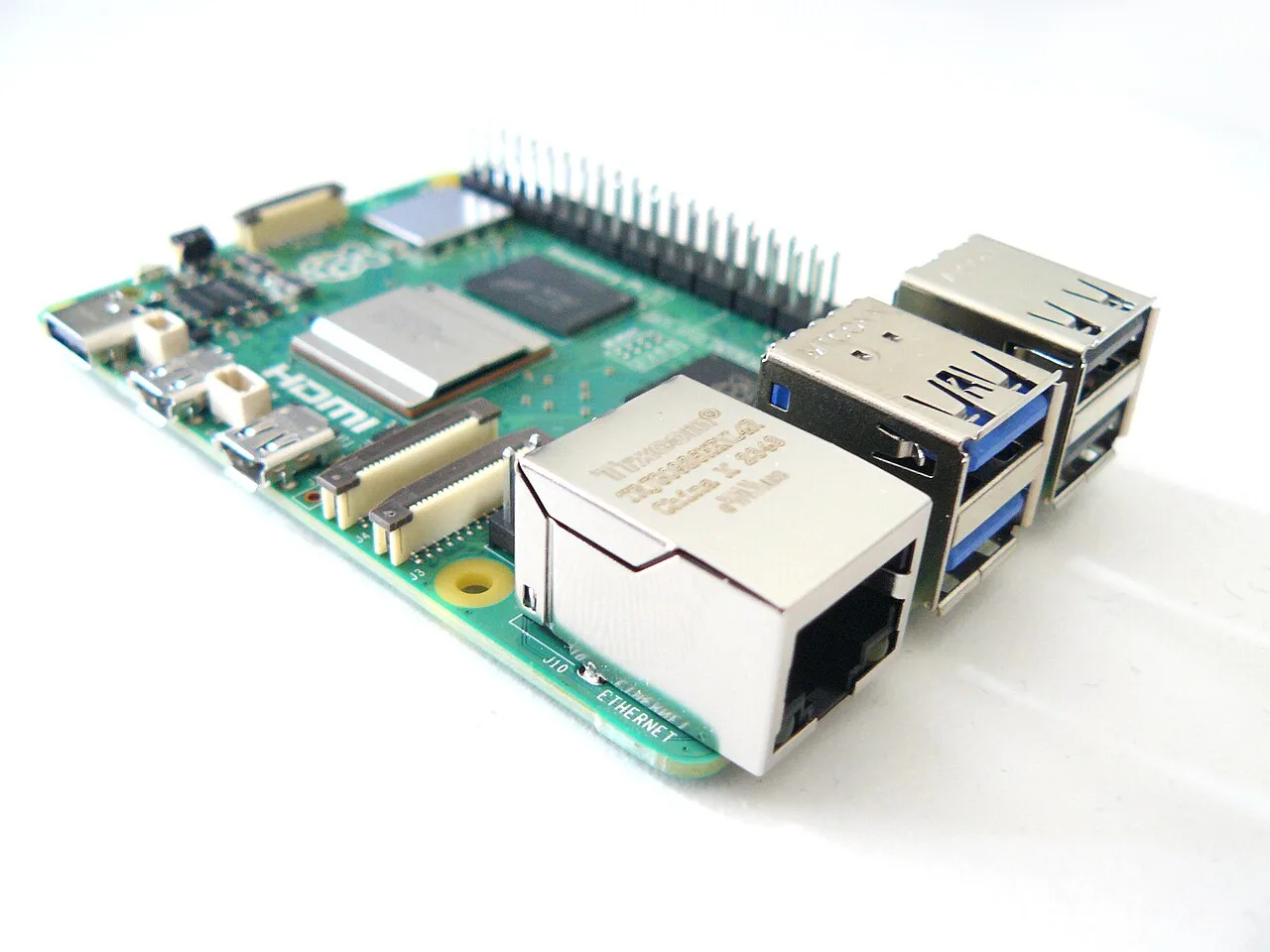
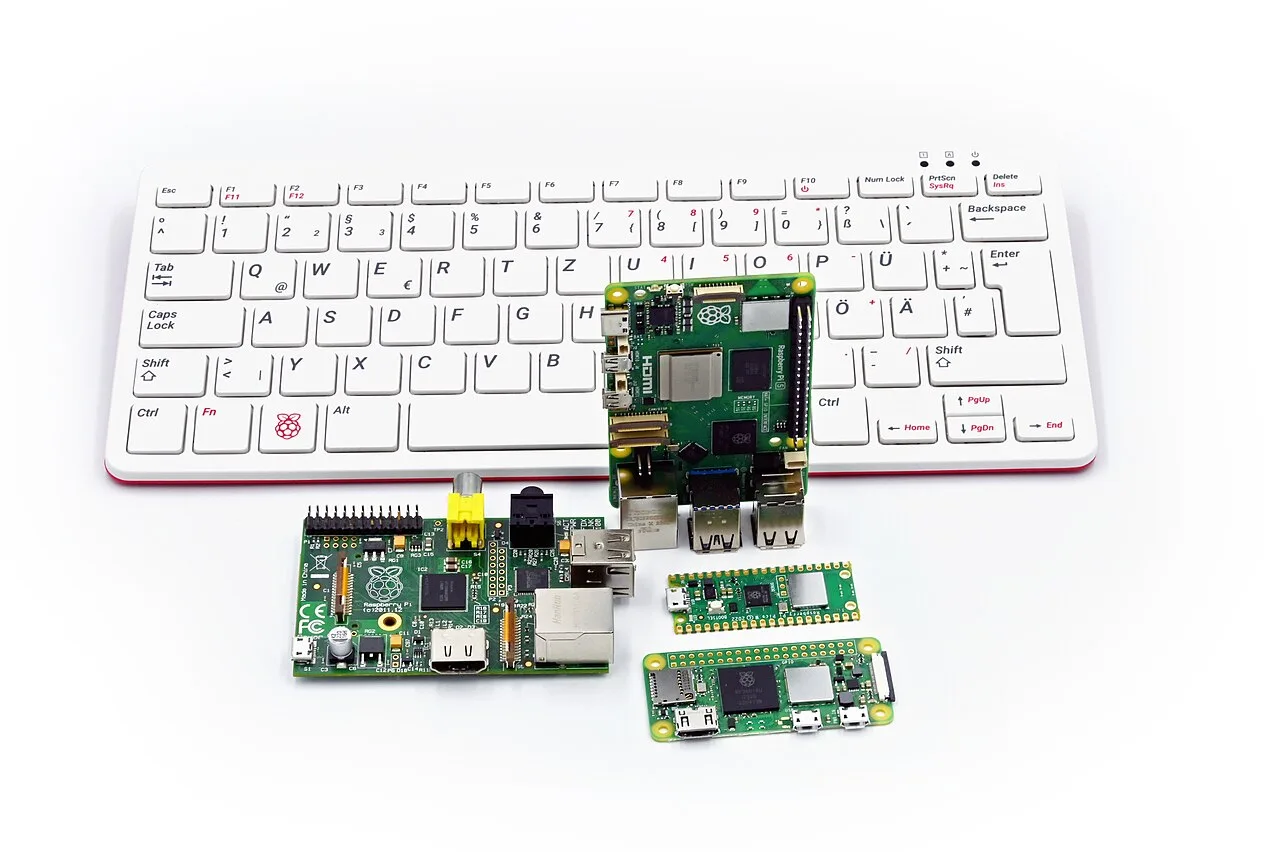
The 8 GB Raspberry Pi 5 costs $175 now. It was about $80. Memory got scarce, and the board everyone bought for cheap computing stopped being cheap, so when Radxa put out a single-board computer at $209, reviewers stopped calling it expensive and started comparing it to the Pi.
A single-board computer is a whole computer on one board: no case, no screen, you supply those. The Radxa Dragon Q8B uses Qualcomm's SC8280XP, a chip from 2021 built mainly for Windows laptops, paired with 8 GB of LPDDR4X (a low-power type of working memory). Radxa's documentation lists versions from 4 to 32 GB, so the $209 is the middle of the range, not the floor.
The performance gap is not subtle. In Geekbench 6, a standard speed test, the Q8B's multi-core score is roughly three times the Pi 5's. On HPL, a benchmark that measures work done per watt of electricity, the Q8B gets 3.73 Gflops/W against the Pi 5's 2.75. Gflops/W is billions of floating-point calculations per second for each watt drawn, so the Radxa does more work and does it more efficiently. It also has two 2.5 Gbit Ethernet ports (fast wired networking, two of them) and more PCIe lanes, the expansion bus that fast drives and add-in cards use.
UEFI decides whether you want one. UEFI is the modern firmware that starts a computer and is supposed to let any operating system boot on any hardware. The Q8B has UEFI. It still needs Radxa's own Linux images and Radxa's Rsetup update tool. Hackaday put it plainly: "For Linux, it appears that you still need customized images, which seems perplexing in light of the UEFI aspect." A board with generic firmware and a non-generic operating system is a board you fight with, not one you hand to someone who just wants Linux.
Whether that changes depends on Radxa finishing the firmware work, which would let standard Linux images boot. Availability is the other variable: these boards are scarce, and with memory still tight, that is unlikely to improve soon. Jeff Geerling's full comparison is in the video, and the written results are in a GitHub issue. For now the Q8B is the faster board and the more annoying one.
hackaday.com/2026/10/10/poking-at-the-ra…
github.com/geerlingguy/sbc-reviews/iss…
docs.radxa.com/en/dragon/q8b