The Titanic survivor who said she killed the corset

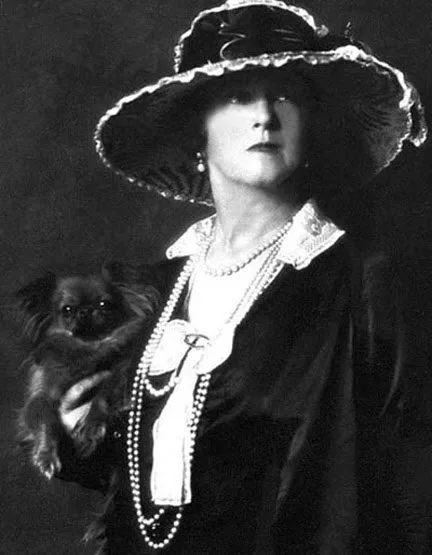
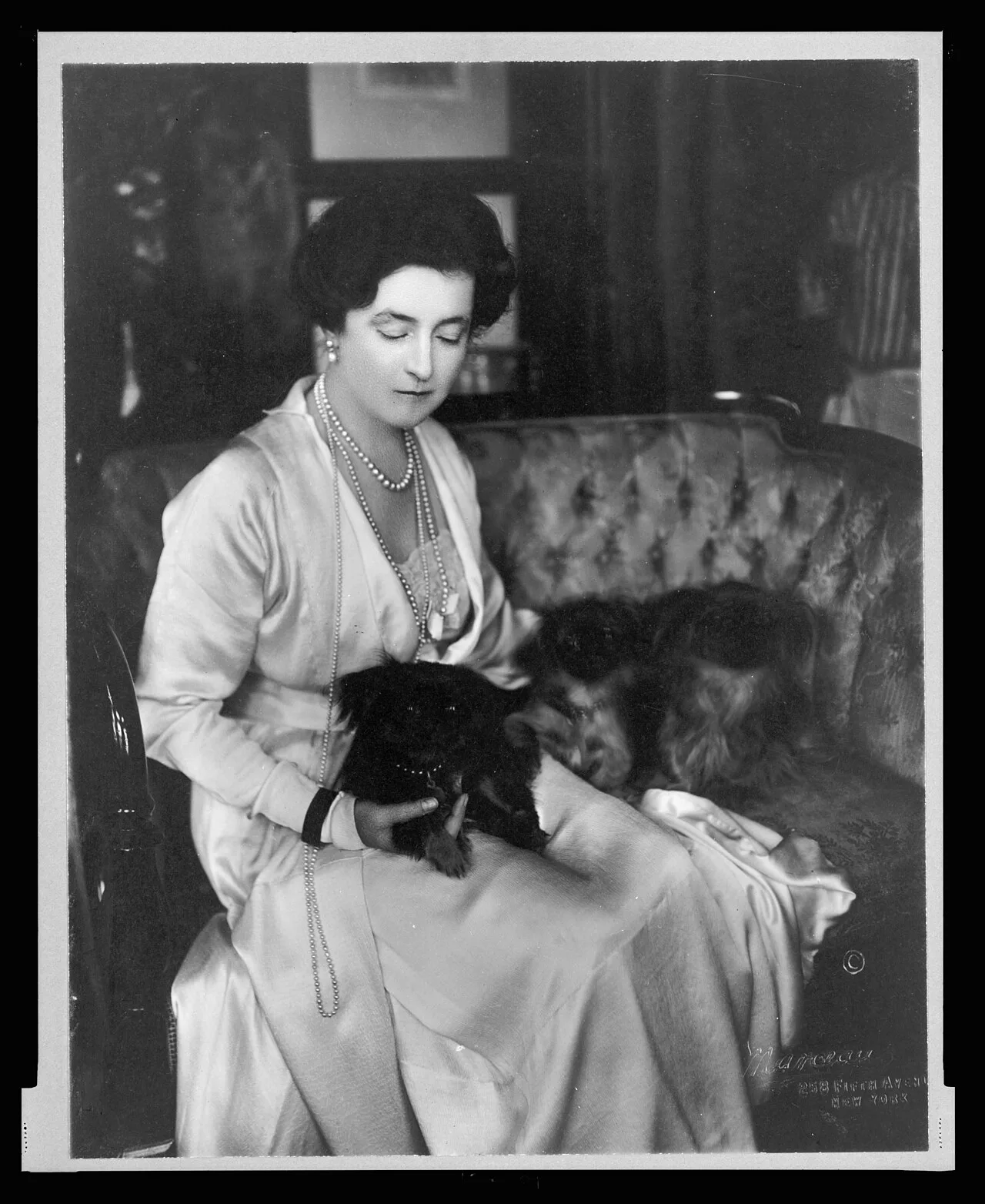
History Today's "Months Past" column pins the corset's death to a single day: 3 November 1914, the end of a 400-year run, and the start of the brassière's. In April 1912 she and her husband Cosmo got into a Titanic lifeboat that left the sinking ship with twelve occupants out of a capacity near forty, and the press did the arithmetic out loud.
The corset, for anyone lucky enough to have skipped this, was the stiff boned garment that shaped a woman's torso, laced tight at the waist. The brassière was softer and came in two parts, and it did not arrive as a slogan. Herminie Cadolle patented a "corselet-gorge" in 1889, a top half that carried the bust while the bottom half did the shaping. Then a scatter of people with very specific problems: Ethel Quirk patented brassières for acrobatic dancing in America, Jeanne Leeman for nightwear, and Sigmund Lindauer in Germany was first to mass produce them. Mathew Lyons frames it as a generational turnover rather than one clever inventor, which is how most clothing changes actually happen. historytoday.com/archive/months-past/death-c…
What made the new underwear sell was the new silhouette. A straight dress over a boned waist looks wrong. The couturier Paul Poiret put the liberty language on it afterwards: "I waged war upon [the corset]", he claimed, "in the name of Liberty." I don't doubt Poiret believed it. But a dressmaker with a shape to sell and a manufacturer with a factory to fill may have done more of the work than any manifesto.
Lucile's own story curdles nicely. In April 1912 she and her husband Cosmo got into a Titanic lifeboat that left the sinking ship with twelve occupants out of a capacity near forty.
I like the 3 November 1914 date for how tidy it isn't. Nobody declared the corset dead that Tuesday; the date is a marker hung on a slow change, and the evidence is patents rather than a single moment. If you want to know when the women on your own street stopped lacing, the answer probably depends on the city, the wage and the wardrobe.